My Stepmother Sold My Mother’s Wedding Ring at a Pawn Shop for $50—I Bought It Back for $5,000, Then Sued Her for the Full Value
She Sold My Mother’s Ring for $50—Then I Walked Into the Pawn Shop
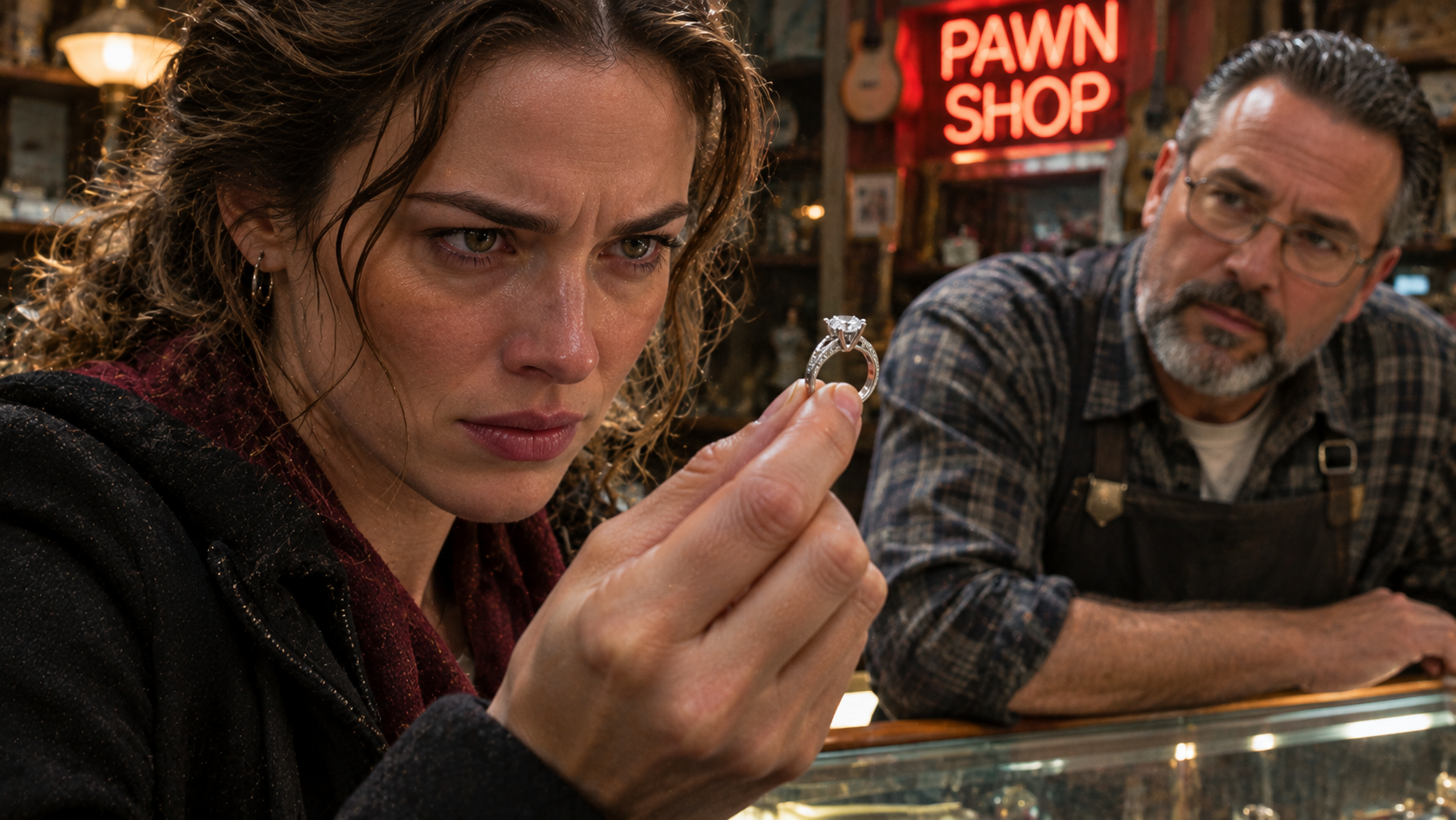
The pawn shop smelled like old wood and desperation. I stood in front of the glass counter, my hands trembling, as the clerk pulled out a small velvet box. Inside was my mother’s wedding ring—a platinum band with a single, flawless diamond that had been in our family for three generations. My stepmother, Carla, had sold it for fifty dollars. I bought it back for five thousand. And that was only the beginning of the war.
My mother died when I was sixteen. Before she passed, she pressed the ring into my palm and whispered, “This is yours now. Don’t let anyone take it from you.” I was too young to understand the weight of those words. My father remarried two years later, and Carla moved in with her two sons. She was charming at first—all smiles and home-cooked meals—but I soon learned that her kindness came with a price.
I kept the ring hidden in a small wooden box in my childhood bedroom, buried under old sweaters and yearbooks. It was the one thing I had left of my mother—a tangible piece of her love and our family history. But after I left for college, Carla took it upon herself to “declutter” my room. She later claimed she thought the ring was costume jewelry, something I’d outgrown. She sold it to a pawn shop for fifty dollars and used the money to buy her sons new sneakers.
I didn’t find out until months later, when I came home for Thanksgiving. I went to my room to check on the ring, and the box was empty. My heart dropped. I confronted Carla, and she shrugged. “It was just a ring, sweetie. You can buy another one.” I wanted to scream. I wanted to shake her. But I kept my composure and asked where she’d sold it. She gave me the name of a pawn shop downtown, and I drove there that same day.
The True Value Hidden in Plain Sight
The pawn shop owner, a burly man named Rick, recognized me as soon as I walked in. “You’re the girl with the ring, aren’t you?” he asked. I nodded, and he pulled out the velvet box. “I knew something was off when your stepmother brought it in. She was in a hurry, didn’t ask for much. I gave her fifty bucks, but I knew this was worth more.”
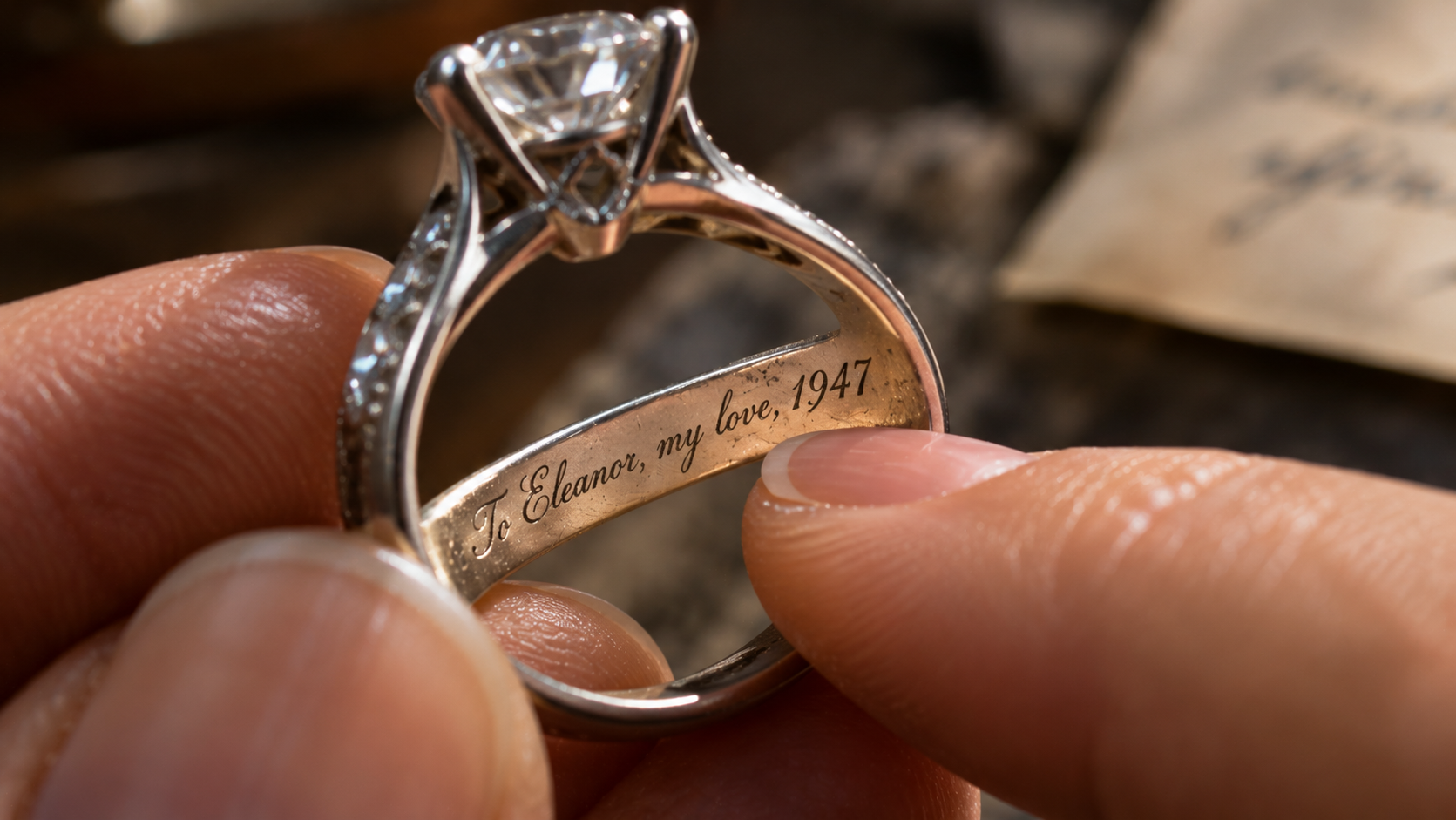
He explained that the ring was a vintage Cartier piece from the 1940s, with a two-carat diamond and platinum setting. He’d had it appraised and discovered it was worth at least $15,000. But he’d also noticed an inscription inside the band: “To Eleanor, my love, 1947.” That was my grandmother’s name. The ring had been passed down from my great-grandmother to my grandmother to my mother—and now to me.
Rick offered to sell it back to me for $5,000, a fraction of its appraised value. He said he felt guilty about the whole thing. I didn’t have that kind of money, but I maxed out a credit card and handed over the cash. As I walked out of the pawn shop, clutching the ring, I felt a mix of relief and rage. Carla had sold my heritage for pocket change. She had to pay.
The Lawsuit That Exposed Everything
I consulted a lawyer, a sharp woman named Diane who specialized in family law. She told me I had a solid case for conversion—the wrongful exercise of dominion over personal property. Carla had no right to sell my ring, and she had done so knowingly. We filed a lawsuit seeking the full appraised value of $15,000, plus damages for emotional distress.
Carla was furious. She called me screaming, accusing me of being ungrateful and vindictive. “You’re tearing this family apart over a piece of jewelry!” she yelled. But I stood my ground. “You tore this family apart when you sold my mother’s ring,” I replied. “I’m just making you pay for it.”
During the discovery phase, we uncovered something even more shocking. Carla had a history of selling family heirlooms—not just mine, but also items that belonged to my father’s late parents. She had pawned a set of silver candlesticks and a vintage watch, pocketing the money without telling anyone. My father was devastated. He had no idea she’d been doing this for years.
The case never went to trial. Carla’s lawyer advised her to settle, and she agreed to pay $15,000 in damages and return the other items she’d sold. But the money wasn’t the point. The point was that she had tried to erase my mother’s memory, and I had stopped her.
What the Ring Really Meant
After the settlement, I took the ring to a jeweler to have it cleaned and resized. That’s when I learned something that changed everything. The jeweler, an older man named Mr. Goldberg, examined the ring under a loupe and let out a low whistle. “Do you know what you have here?” he asked. I shook my head. He explained that the diamond wasn’t just valuable—it was a rare, flawless stone from a mine that had been closed for decades. Its provenance made it worth closer to $50,000, not $15,000.
I was stunned. My mother had never told me the ring was that valuable. She’d always said it was “just a family piece,” something to be treasured for its history, not its price tag. But now I understood why she’d been so insistent that I keep it safe. She knew what it was worth—not just in dollars, but in meaning.
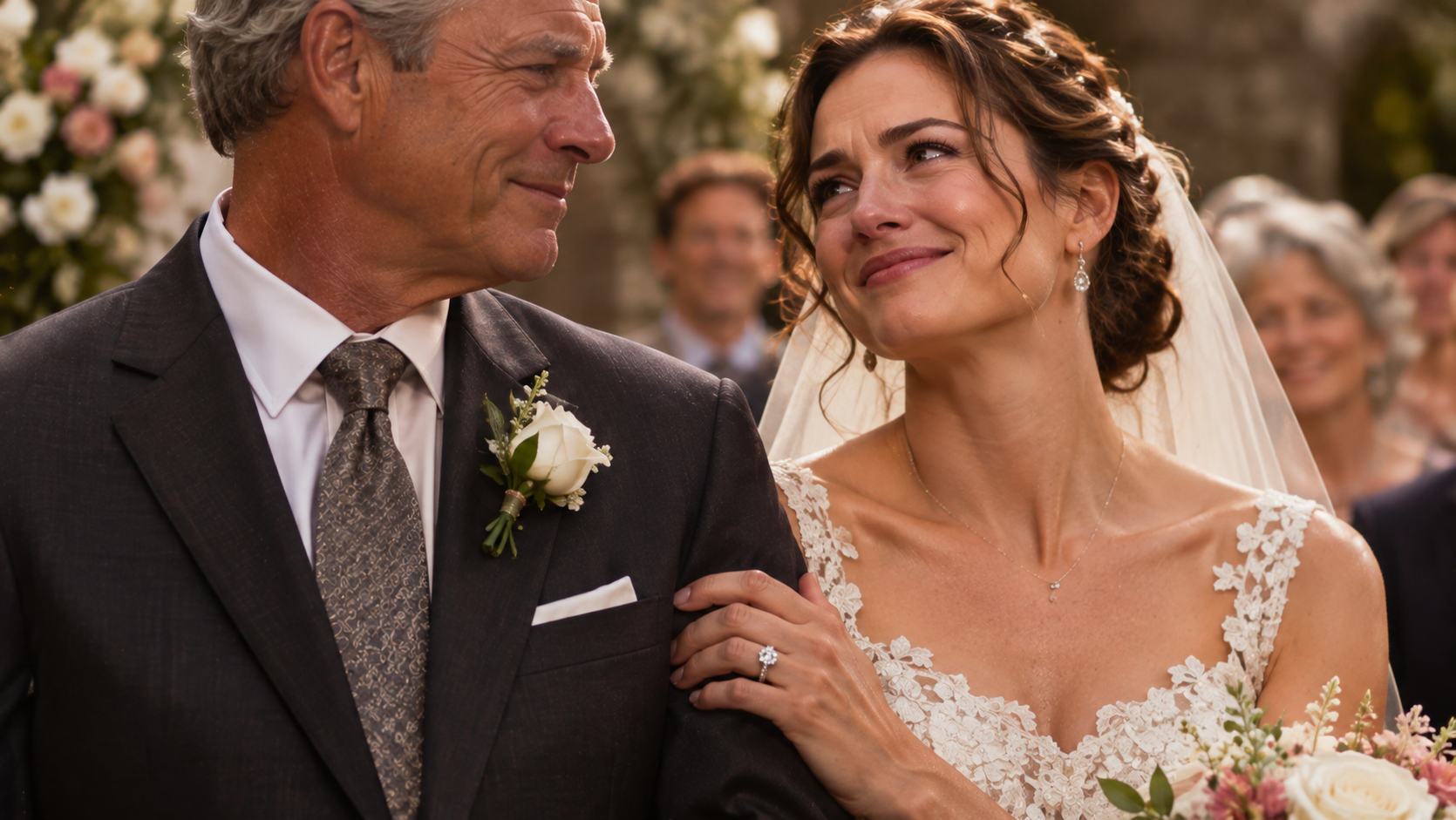
I wore the ring to my wedding last year. As I walked down the aisle, I felt my mother’s presence with me. The ring was a symbol of her love, her strength, and her belief that I could stand up for myself. And I had.
The Justice That Came Full Circle
Carla and my father divorced a year after the lawsuit. She moved out of state and rarely speaks to anyone in the family. My stepsiblings, who once sided with their mother, have since apologized. They admitted they had no idea what she’d been doing. I’ve forgiven them, but I haven’t forgotten.
As for me, I keep the ring in a safe deposit box now, except on special occasions. I’ve also started a tradition: every year on my mother’s birthday, I take it out and tell my daughter about her grandmother—the woman who taught me that some things are worth fighting for, and some people are worth fighting against.
The pawn shop owner, Rick, still calls me sometimes to check in. He says he’s never seen a story like mine. “You turned a fifty-dollar mistake into a fifty-thousand-dollar lesson,” he told me once. I laughed. “No,” I said. “I turned it into a reminder that you can’t put a price on family. But you can make someone pay for trying.”
Recommended Stories
My Father Promised Me the Family Cabin in His Will—But After He Died, My Stepmother Produced a Newer Will Giving Everything to Her Son. Then I Found a Voicemail He Left Me the Night Before He Died
My father promised me the family cabin. After he died, my stepmother produced a newer will giving everything to her...
My Brother Stole My Inheritance to Open a Restaurant—Then His Chef Found My Grandmother’s Recipe Book and Exposed the Fraud
When my brother stole my $150,000 inheritance to open a restaurant, he thought he'd won. But Grandma's recipe book held...
My Mother-in-Law Gave Me a ‘Fake’ Pearl Necklace for My Wedding—A Jeweler Later Told Me It Was Real and Part of a $2 Million Heist
A wedding gift she was told was fake turns out to be a real pearl necklace from a $2 million...