My Brother Stole My Identity to Buy a Boat—Then He Crashed It and Left Me with a $200,000 Debt and a Criminal Record
The Call That Shattered My Quiet Tuesday
I was halfway through a spreadsheet at my accounting firm in Columbus, Ohio, when my phone buzzed with an unknown number. Normally, I’d let it go to voicemail. But something—maybe the persistent vibration—made me answer. The voice on the other end was clipped, official. “Mr. Daniel Reeves? This is Detective Harris from the Franklin County Sheriff’s Office. We need you to come down to the station. There’s been an incident involving a boat registered in your name.”
My stomach dropped. I don’t own a boat. I’ve never even driven one. But as I would soon learn, my younger brother, Kevin, had been living a double life—one built on my identity, my credit, and my trust. And now, that life had crashed into a dock on Lake Erie, leaving me holding a $200,000 bill and a criminal record I never earned.
That phone call was just the beginning of a nightmare that would take me three years to untangle—and cost me nearly everything I had.
A Brother’s Shadow
Kevin and I grew up in a small town outside Cleveland. He was the charming one, the risk-taker, the son who could talk his way out of anything. I was the responsible one, the one who did homework and paid bills on time. Our parents died in a car accident when I was twenty-four and Kevin was nineteen. I became his guardian, or at least I tried. I co-signed his first apartment lease, helped him get a job at a warehouse, and bailed him out of minor scrapes. But Kevin always had a scheme.
In our thirties, we drifted apart. I got married, had two kids, and focused on my career. Kevin bounced between jobs, always promising he was about to “make it big.” I’d learned to keep my distance—emotionally and financially. But I never imagined he’d go this far.
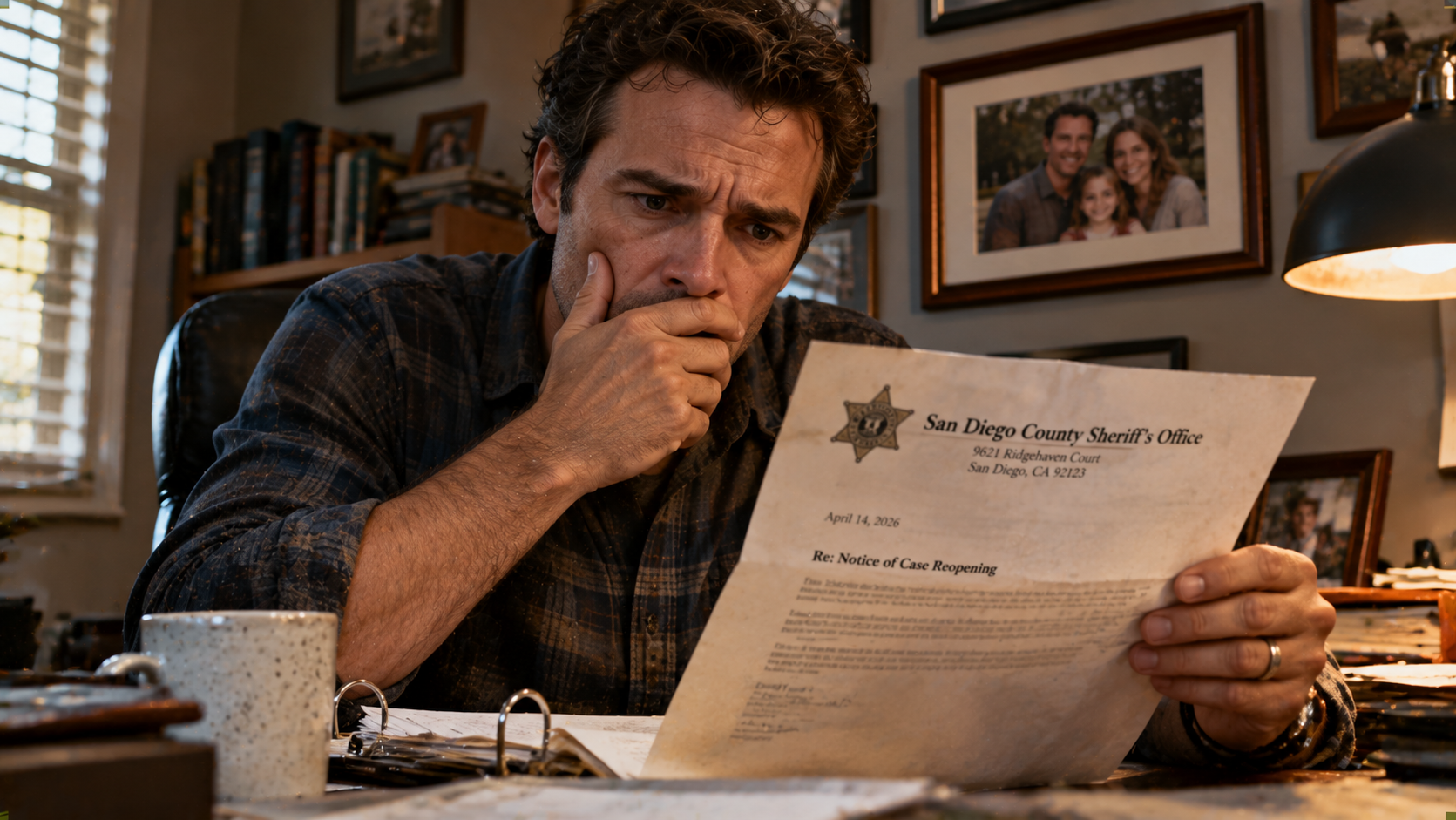
The detective explained that a 42-foot yacht had been purchased six months earlier using a loan taken out in my name. The boat had been involved in a collision at a marina in Sandusky, causing significant damage and injuring two people. The loan was now in default, and because the boat was registered to me, I was on the hook for the remaining balance—$203,000. Worse, the boat had been used in what appeared to be an illegal charter operation, and there were pending criminal charges for operating without a license and reckless endangerment.
I felt like I was drowning. I hadn’t signed any loan documents. I hadn’t even been to Sandusky in years. But the detective said the paperwork had my Social Security number, my driver’s license copy, and a signature that looked like mine. “We need you to come in and explain,” he said. “Otherwise, we’ll have to issue a warrant.”
The Paper Trail That Led to My Brother
I hired a lawyer the next day. Her name was Maria Santos, and she specialized in identity theft cases. She told me to gather every document I could find: credit reports, bank statements, tax returns. What we found made my blood run cold. Kevin had opened three credit cards in my name over the past year, maxed them out, and used the cash to fund his “business.” He’d also forged my signature on a boat loan application, using a fake pay stub and a copy of my driver’s license that he’d stolen from my mailbox.
But the most damning evidence came from an unlikely source: Kevin’s ex-girlfriend, Tanya. She called me out of the blue, saying she’d heard about the arrest and wanted to help. “I have texts,” she said. “He bragged about using your info. He said you’d never notice because you were too busy being Mr. Perfect.” Tanya sent me screenshots of conversations where Kevin detailed his plan—how he’d practiced my signature, how he’d intercepted my mail, how he’d laughed about the fact that I’d never check my credit report.
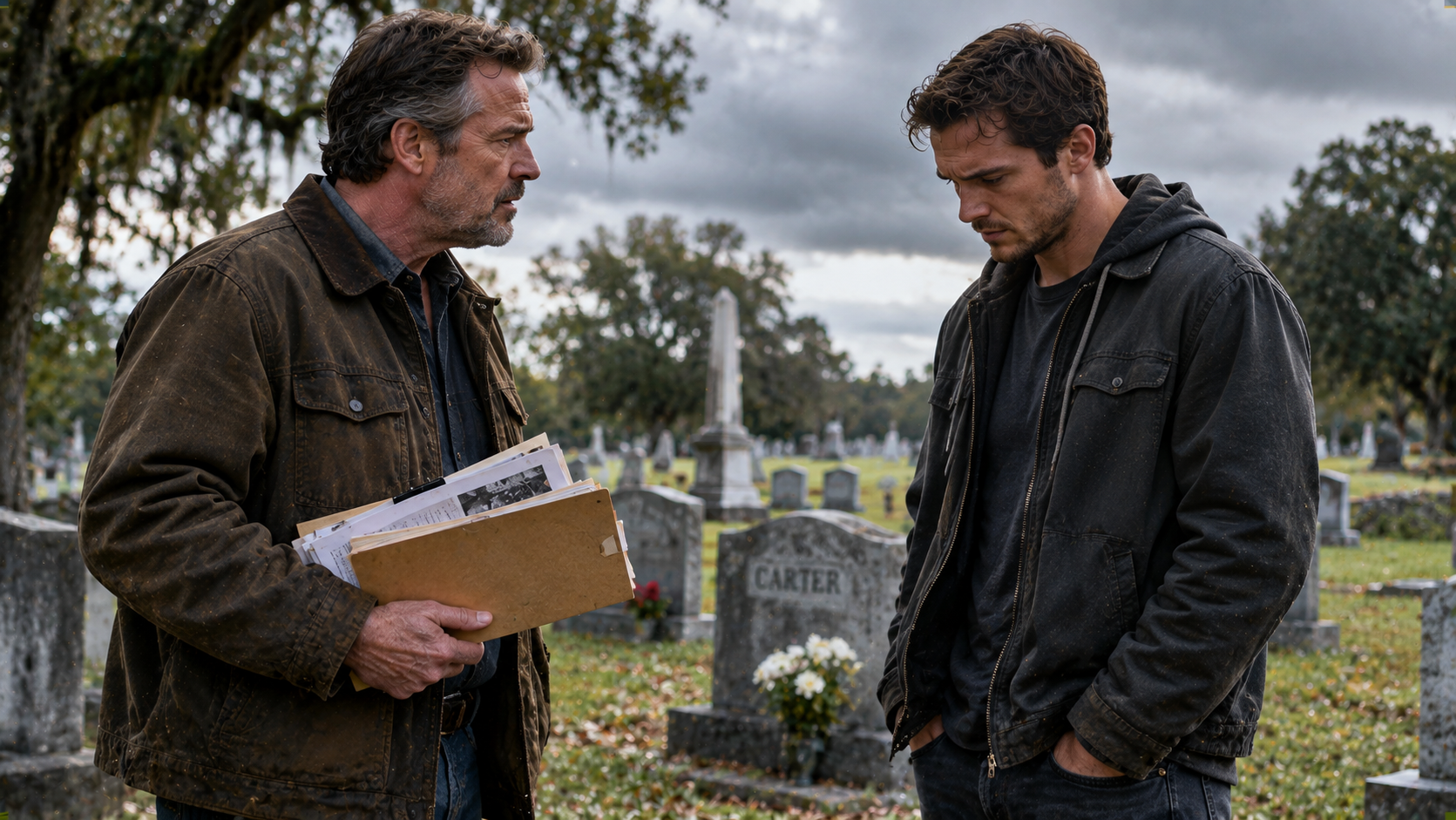
I confronted Kevin at our mother’s grave on a gray November afternoon. He showed up in a borrowed jacket, looking thinner than I’d ever seen him. “I was going to pay it back,” he said, his voice cracking. “The charter business was supposed to take off. I just needed a little time.” I asked him how he could do this to me, to my kids, to our family’s name. He had no answer. He just kept saying he was sorry—sorry he got caught, not sorry he did it.
The Legal Battle and the Hidden Motive
Maria filed a police report and a fraud affidavit with the credit bureaus. But clearing my name wasn’t quick. The loan company refused to budge, insisting the debt was valid until proven otherwise. The criminal charges hung over my head for months. I had to take unpaid leave from work to attend court hearings. My wife, Sarah, stood by me, but I could see the strain in her eyes. Our savings dwindled as we paid legal fees.
Then, a breakthrough. Maria discovered that Kevin had used a notary public who was a friend of his—a woman named Brenda, who had notarized the loan documents without verifying my identity. Brenda, facing her own legal trouble, agreed to testify. She admitted that Kevin had told her I was “out of town” and couldn’t sign in person. With her testimony and Tanya’s texts, the prosecutor dropped the criminal charges against me and charged Kevin instead.
But the civil case was still a mess. The loan company sued me for the $203,000. Maria argued that the contract was void because my signature was forged. The case dragged on for eighteen months. In the end, the judge ruled in my favor, but only after I agreed to a settlement: I would pay $15,000 to cover the loan company’s legal fees, and they would release me from any liability. It was a bitter victory—I’d lost thousands in legal costs and months of my life, but at least I wasn’t bankrupt.
What I Learned About Family and Forgiveness
Kevin was sentenced to three years in prison for identity theft and fraud. He wrote me a letter from jail, apologizing for the first time without excuses. “I was jealous,” he wrote. “You had everything I wanted. I thought if I could be you for a little while, maybe I’d feel like I mattered.” I didn’t reply. I couldn’t. The betrayal ran too deep.
My credit score took years to recover. I had to put a freeze on my accounts and monitor my credit monthly. But the emotional scars were worse. I stopped trusting people easily. I stopped answering unknown numbers. I even stopped talking to my extended family, who kept saying “he’s still your brother” as if that erased what he’d done.
It took a long time, but I eventually found a kind of peace. I realized that forgiving Kevin wasn’t about letting him off the hook—it was about freeing myself from the anger that was eating me alive. I’m not there yet, not fully. But I’m working on it.

Today, I’m more careful. I check my credit report every month. I shred every piece of mail with my name on it. And I’ve learned that family isn’t just about blood—it’s about trust. And once that trust is broken, it’s not always possible to rebuild it.
If there’s one thing I want people to take away from my story, it’s this: identity theft can happen to anyone, even from the people you love most. Protect yourself. And if you ever get a call from a detective about a boat you never bought, don’t ignore it. It might just be the beginning of the fight of your life.
Recommended Stories
I Inherited a Million Dollars from a Stranger—Then His Family Showed Up with a Shocking Demand
I was a nurse with no connection to a wealthy stranger. When he left me his fortune, his family demanded...

At My Wedding, My Father Announced He Was Donating My $50,000 Inheritance to Charity—Then My New Husband Stood Up and Revealed the Truth About My Father’s ‘Charity’
At my wedding, my father announced he was donating my $50,000 inheritance to charity. Then my new husband stood up...

At My Wedding, My Mother Gave a Toast That Exposed My Father’s 30-Year Affair—Then His Mistress Stood Up
At my wedding, my mother exposed my father's 30-year affair during her toast—then his mistress stood up. The truth that...