I Let My Homeless Brother Sleep on My Couch for ‘One Week’—Three Years Later, He Sued Me for Ownership of My House
The Knock That Changed Everything
The rain was coming down in sheets the night my brother, Danny, showed up at my door with a garbage bag of clothes and a story about a fire at his apartment. I hadn’t seen him in two years—not since he’d skipped out on Thanksgiving after swiping $300 from my wallet. But he was family, and he looked so broken that I couldn’t turn him away. “Just one week,” I told him, pulling a spare blanket from the hall closet. “Until you get back on your feet.” He nodded, eyes red, and promised he’d be out by Sunday. That was three years ago. Today, I’m sitting in a courtroom while Danny’s lawyer argues that my house belongs to him—and the worst part? He might actually win.
A Couch, a Job, and a Slow Takeover
The first week came and went. Danny had a lead on a job at a warehouse, he said, but it fell through. Then his car broke down. Then he needed dental work. Each excuse was more plausible than the last, and each time I told myself it would be cruel to kick him out. By month two, he’d moved from the couch to the guest room—”just until the couch cushions recover,” he joked. By month six, he’d installed a mini-fridge and a TV in there. I was working double shifts as a nurse, too exhausted to fight about it. My wife, Elena, started sleeping at her sister’s place on weekends, claiming she needed “space.” I didn’t blame her. The house felt like it belonged to Danny, not us.
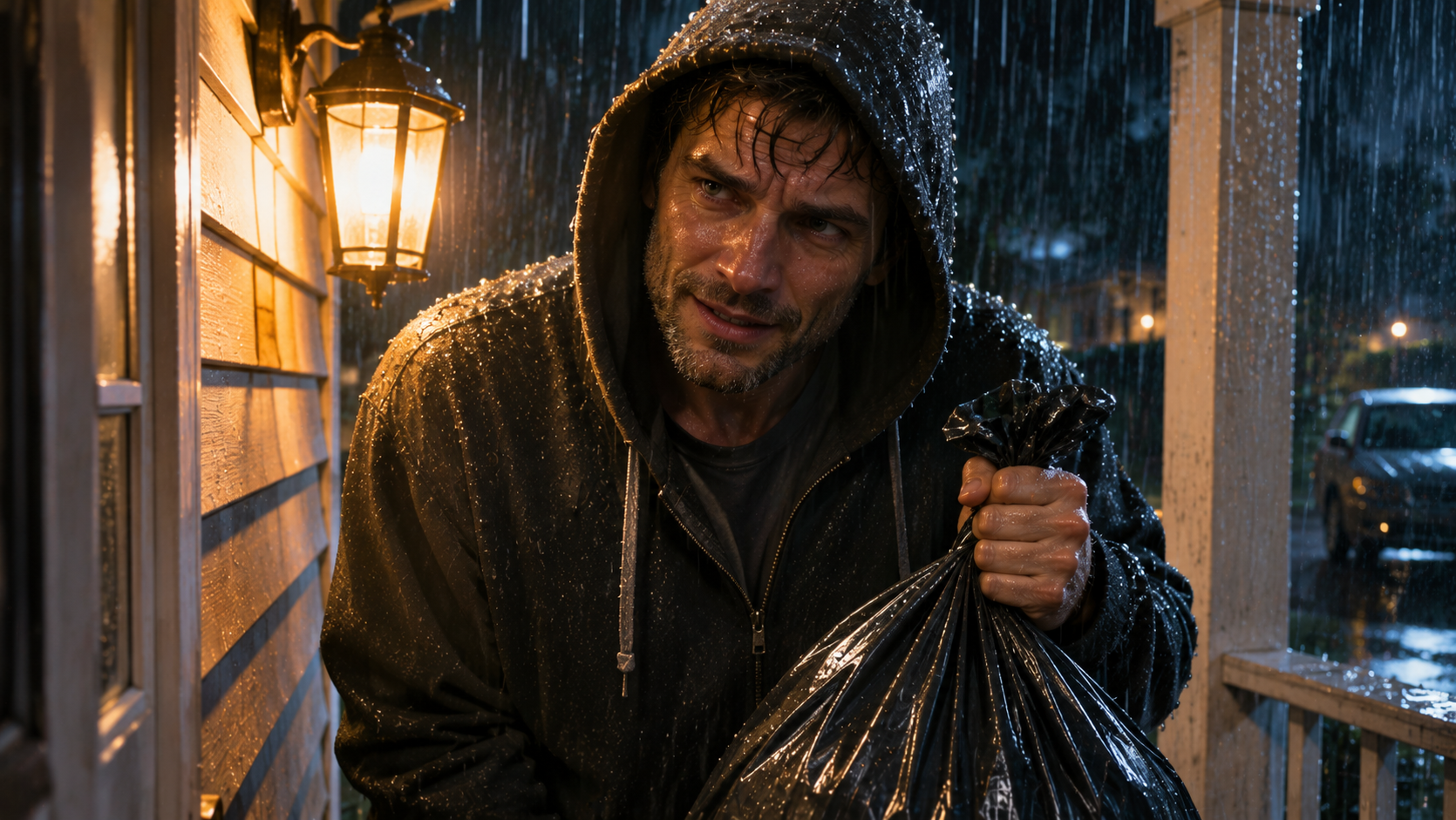
Then came the accident. I slipped on an icy step at work and shattered my wrist. I was out of commission for two months, and Danny—suddenly the model brother—took over the bills. He paid the mortgage, the utilities, even bought groceries. “Don’t worry about it,” he said, waving off my thanks. “You’d do the same for me.” I was too grateful to notice that he’d started having his mail forwarded to my address. Or that he’d changed the locks on the front door “for security” and never gave me a key.
The Lawsuit That Came Out of Nowhere
Last spring, a process server knocked on my door—Danny’s door, apparently—and handed me a stack of papers. I was being sued for “unjust enrichment” and “breach of oral contract.” Danny claimed that I had promised him a life estate in the house in exchange for “caretaking services” rendered during my recovery. He had receipts for the mortgage payments, a notarized statement from a neighbor who swore he’d heard me say, “This house is as much yours as mine,” and a detailed log of every meal he’d cooked and every load of laundry he’d done. His lawyer argued that under a little-known doctrine called “adverse possession by permission,” Danny had established a legal claim to the property. I nearly laughed. Then I saw the case number—this was real.
The legal loophole was a nasty one. In our state, if someone lives in a home openly, continuously, and with the owner’s permission for a certain period, they can argue for an “implied life estate”—essentially, the right to stay there for life. Danny’s lawyer claimed that my acceptance of his financial help, combined with my verbal gratitude (“You’re a lifesaver, Dan”), constituted an oral contract. The neighbor’s testimony was the icing on the cake. I had no written agreement, no lease, no proof that his stay was temporary. The burden was on me to prove he was a guest, not a tenant.
The Evidence I Didn’t Know I Had
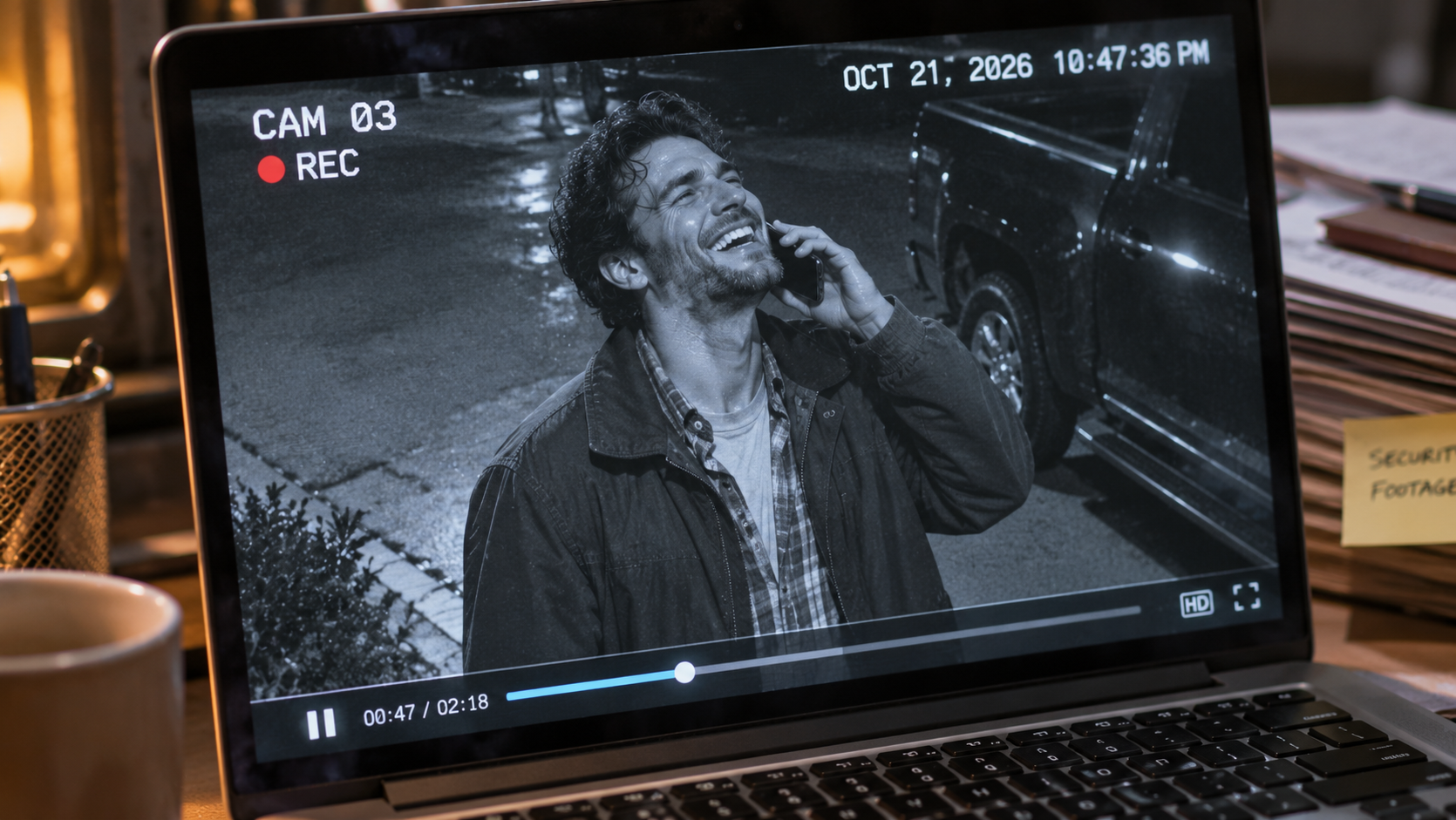
I hired a lawyer, a sharp woman named Priya who’d seen this kind of family fraud before. “We need to show a pattern of manipulation,” she said. “Anything he’s done that contradicts his story of being a selfless caretaker.” I started digging. I found the old texts from the first week—”Just one week, bro, I swear”—and screenshots of the $300 he’d stolen at Thanksgiving. But the real gold came from my security camera. After my fall, I’d installed a cheap camera in the living room to keep an eye on things while I was at physical therapy. It captured Danny bragging to a friend on the phone: “He’s clueless. I’m gonna own this place before he knows what hit him.” The timestamp was from the same month he’d started paying the mortgage.
Priya also found that Danny had forged my signature on a change-of-address form and had been intercepting my mail for months—including a notice from the county about a property tax reassessment. He’d been building a paper trail, piece by piece. The most damning document was a handwritten “agreement” he’d drafted, supposedly signed by me, granting him “permanent residency rights.” The signature was a clumsy forgery, but if I hadn’t had the video, it might have been enough.
The Courtroom Showdown
In court, Danny played the victim. He cried about his “homelessness,” his “sacrifices,” his “love for his brother.” His lawyer painted me as a heartless landlord who’d exploited free labor. Then Priya played the video. The courtroom went silent as Danny’s voice filled the room: “He’s clueless. I’m gonna own this place.” The judge’s eyebrows shot up. When Priya presented the forged signature and the intercepted mail, Danny’s lawyer started sweating. The neighbor who’d testified for Danny admitted under cross-examination that he’d only heard the “This house is as much yours as mine” line secondhand—from Danny himself.
The judge ruled in my favor, calling Danny’s claim “a brazen attempt to weaponize family ties for financial gain.” The case was dismissed with prejudice, and Danny was ordered to pay my legal fees. But the victory felt hollow. As the bailiff led him away—he was facing separate charges for mail fraud—Danny turned and spat, “You were always the golden child. I just wanted what you had.” That was the second revelation: the whole thing wasn’t about money. It was about a lifetime of resentment I’d never even noticed.
What I Learned About Generosity
I sold the house last month. I couldn’t stand the sight of the guest room. Elena and I are renting a smaller place across town, and we’re in counseling. The couch is gone—donated to a shelter, where it belongs. I still believe in helping family, but now I put everything in writing. I’ve learned that generosity without boundaries isn’t kindness—it’s a liability. And some people will take your open door and use it to build a cage for you.
Recommended Stories
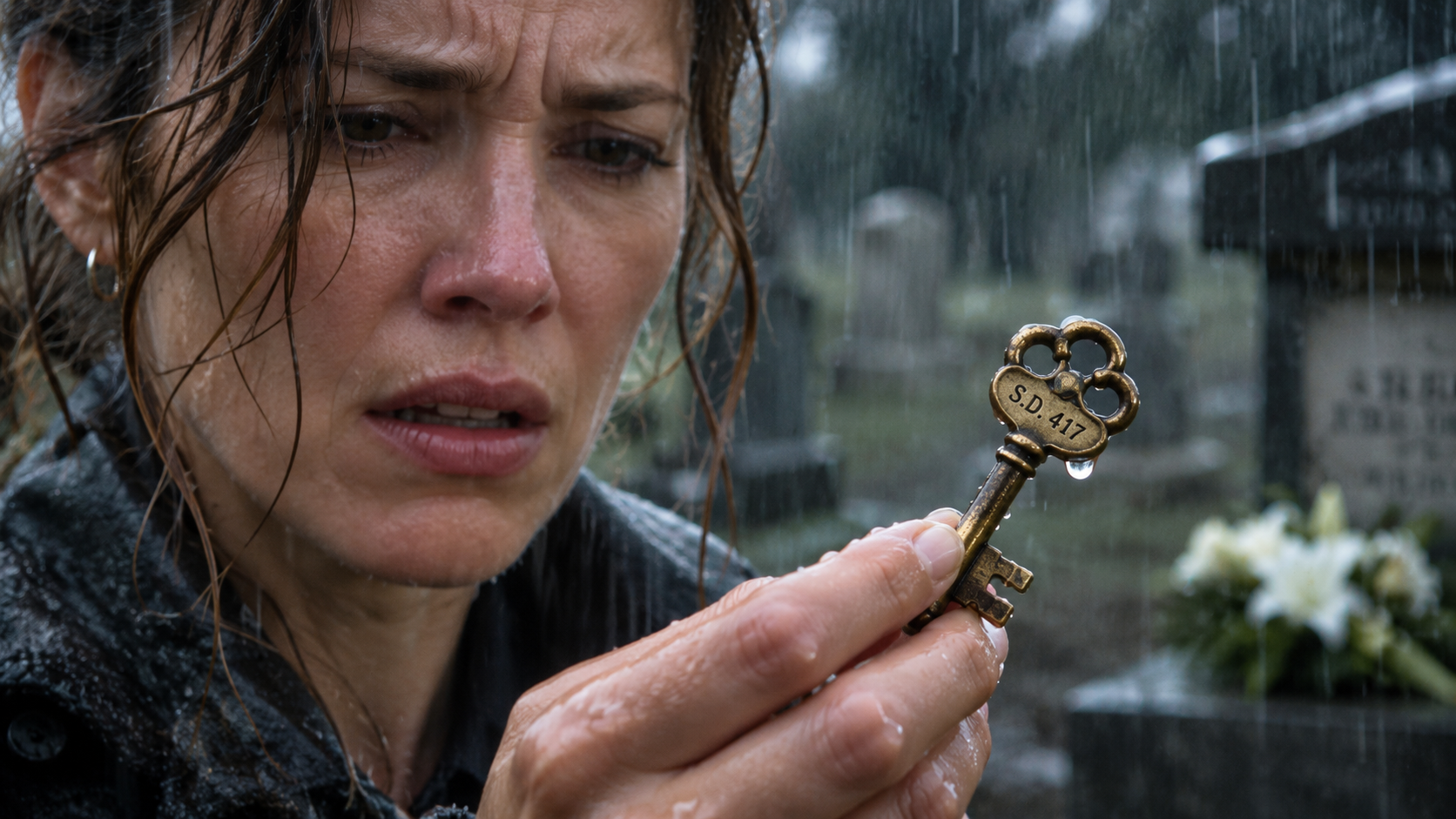
At My Father’s Funeral, a Stranger Handed Me a Key—Then I Found a Safety Deposit Box That Exposed His Double Life
At my father's funeral, a stranger pressed a key into my hand. Inside a safety deposit box, I found a...

My Husband’s ‘Business Trip’ Was Actually a Secret Wedding to My Best Friend—I Found Out When the Photographer Sent Me the Pictures
A misdirected email delivered 147 photos of my husband marrying my best friend. I thought my life was over—until I...

My Mother-in-Law Secretly Recorded Me for Years—Then She Played the Tapes at My Baby Shower
She recorded me for years, then played the tapes at my baby shower. But she never expected what I found...