I Took Care of My Aging Mother for 15 Years—Then She Left the House to My Brother Who Never Visited, and I Found a Loophole
The phone call came on a Tuesday afternoon in March, three days after we buried my mother. My brother, David, was on the other end, his voice flat and businesslike. “The lawyer read the will this morning,” he said. “She left the house to me. You have sixty days to move out.” I stood in the kitchen of the house I had lived in for forty-three years—the house I had cleaned, repaired, and paid taxes on for the last fifteen—and felt the floor drop out from under me.
My mother, Eleanor, had been sick for a long time. Alzheimer’s, then a stroke that left her bedridden for the final three years. I was the one who bathed her, fed her, sat with her through the nights when she couldn’t sleep. I was the one who gave up my job as a dental hygienist, my apartment, my entire adult life, to move back home and care for her. David, meanwhile, lived four hours away in Philadelphia, where he worked as a pharmaceutical sales rep. He visited twice a year—Christmas and her birthday—and stayed for maybe three hours each time.
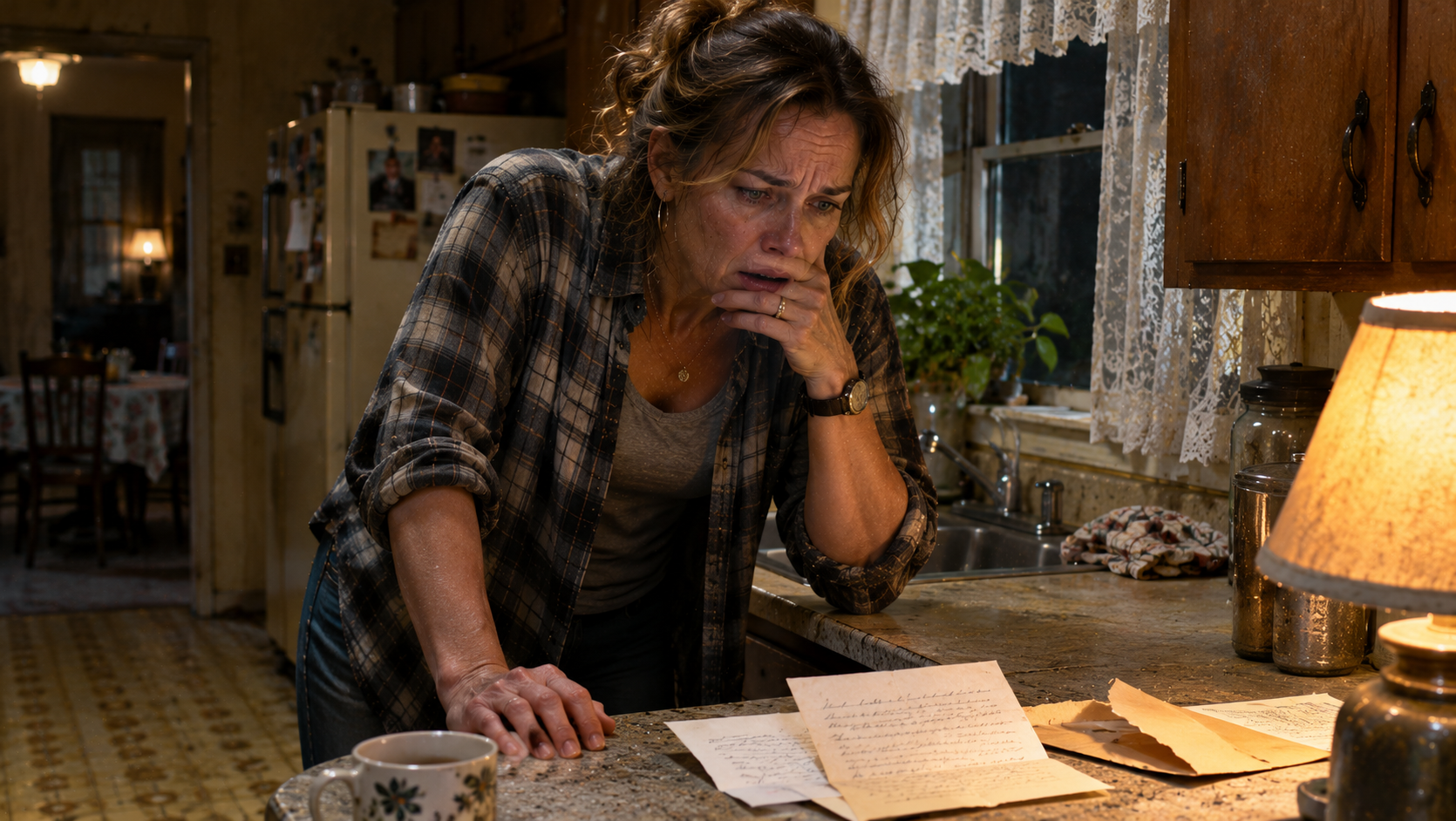
“David,” I said, keeping my voice steady, “I’ve been paying the property taxes for fifteen years. I paid for the new roof, the furnace, the handicap ramp. I have receipts.” He laughed—actually laughed—and said, “Mom left the house to me. That’s the end of it. If you want to fight, I’ll have my lawyer call yours.” He hung up before I could respond.
The Fifteen Years Nobody Saw
Let me back up. When Mom first got sick, David and I had a conversation. He was “too busy” to help, he said. His career was taking off, he had two kids in private school, a mortgage. I was single, no kids, working part-time. “You’re the natural choice,” he told me. “You’ve always been close to Mom.”
So I did it. I moved into the guest room and became her full-time caregiver. I cooked her meals, managed her medications, took her to every doctor’s appointment. I sat with her when she forgot who I was and cried because a stranger was in her house. I held her hand when she couldn’t remember how to swallow.
And I paid. The house was in Mom’s name, but her pension barely covered her medications. The property taxes were $4,200 a year. I paid them from my savings. The roof was $8,500. The furnace, $3,800. The ramp for her wheelchair, $2,200. I kept every receipt in a manila folder in my closet, not because I expected repayment, but because I’m the kind of person who keeps receipts.
David never offered a dime. He never asked if I needed help. He sent a $100 check at Christmas with a note that said, “For Mom’s care.” I cashed it and put it toward her prescriptions.
The Will That Broke Me
After David’s call, I called my own lawyer, a woman named Patricia Okonkwo who had handled a friend’s estate. I brought her the will, the receipts, and the deed. She read through everything slowly, then looked up at me with a strange expression. “Did you know,” she said, “that your mother signed a life estate deed three years ago?”
I didn’t know what that meant. She explained: a life estate deed grants someone the right to live in a property for the rest of their life. Mom had signed one giving me the right to remain in the house until I died. But then, six months before she passed, she had signed a new will leaving the house to David. “The problem,” Patricia said, “is that the life estate deed was never revoked. It was filed with the county. David owns the house, but you have the legal right to live in it for the rest of your life. He can’t evict you.”
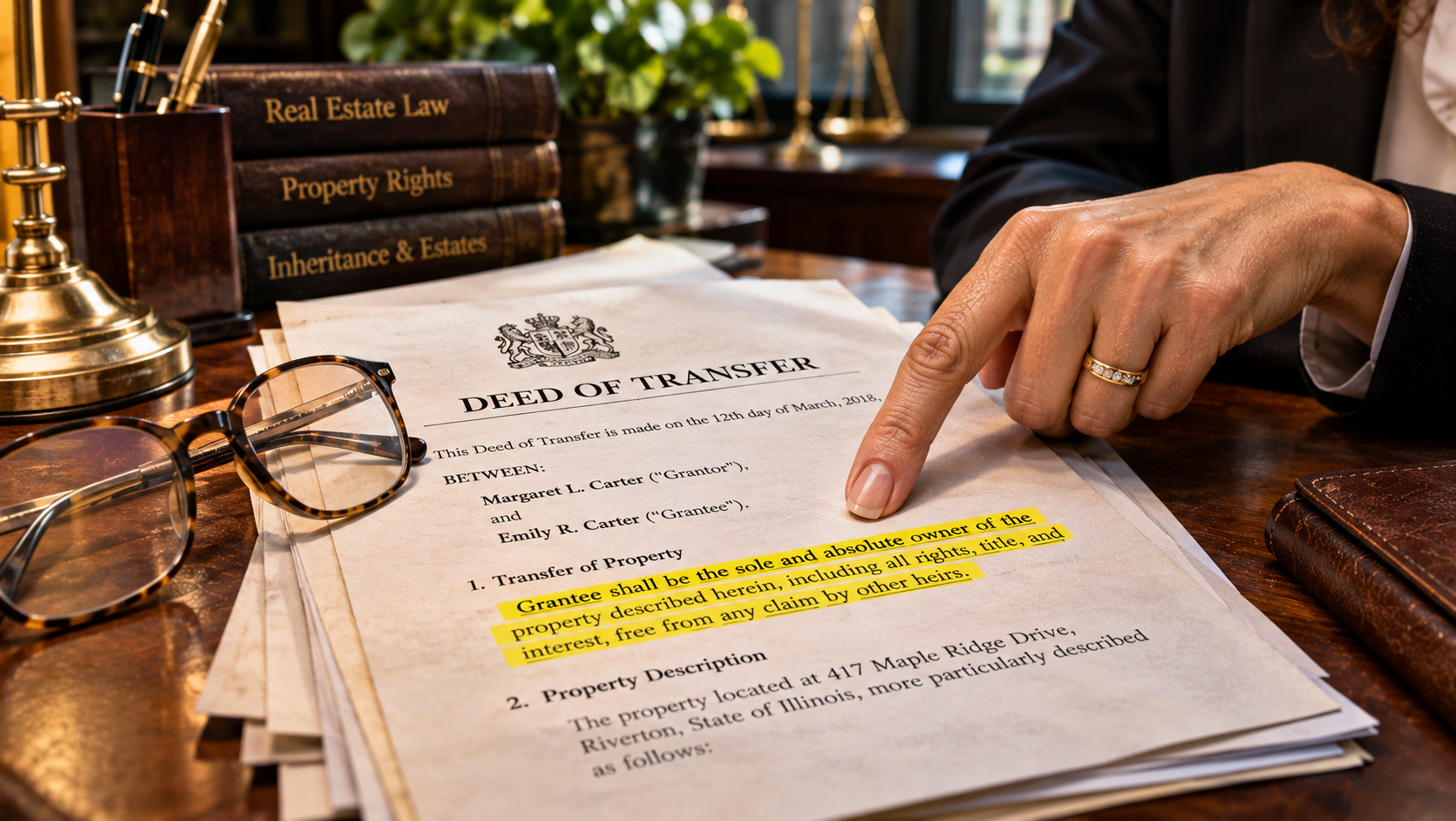
I felt a flicker of hope, but it was quickly extinguished. “He can still sell the house,” Patricia warned. “He just can’t sell it without your consent. And he can’t force you out. But he can make your life miserable.”
That’s exactly what he did. David called me two days later, furious. “You think you’re clever?” he spat. “Fine. Stay in the house. But I’m not paying a dime for anything. You want to live there? You pay for the repairs. You pay the taxes. You pay everything.”
I agreed. I had already been paying everything for fifteen years. What was a few more?
The Loophole Nobody Expected
But I didn’t stop there. I went back to Patricia and asked her to look at the original life estate deed more carefully. She did, and she found something David had missed. The deed stated that the life estate was granted “in consideration of caregiving services rendered.” That phrase—”in consideration of”—made it a contract. And under Pennsylvania law, a contract for caregiving services can be enforced if there is proof of the services rendered.
I had proof. Fifteen years of receipts, medical records, and a daily journal I had kept since Mom’s diagnosis. I had documented every bath, every meal, every night I stayed awake with her. I had even kept a log of the times David visited—twice a year, three hours each, for a total of ninety hours over fifteen years.
Patricia filed a claim against the estate for the value of my caregiving services. The average cost of in-home care in Pennsylvania was $22 an hour. I had provided roughly 12,000 hours of care over fifteen years. That came to $264,000. The estate didn’t have that kind of money—but the house did. It was worth $310,000.
David fought it. He hired a lawyer, accused me of fabricating the journal, of exaggerating my services. But the receipts were dated. The medical records corroborated my timeline. The journal entries matched the weather reports and the dates of Mom’s doctor visits. The judge ruled in my favor.
The Price of Fifteen Years
The house was sold to satisfy the claim. I received $264,000. David received the remaining $46,000, minus legal fees. He called me the day the check cleared, screaming that I had stolen his inheritance. “You stole from your own brother!” he yelled. “Mom wanted me to have that house!”
“Mom wanted someone to take care of her,” I said quietly. “You didn’t. I did. This is what that was worth.”
He hasn’t spoken to me since. I used the money to buy a small condo near my old dental office and went back to work part-time. I’m fifty-eight years old, and for the first time in fifteen years, I have a life that belongs to me.
But here’s the thing that still keeps me up at night. A few weeks after the trial, I found an envelope in Mom’s old jewelry box—one I had never opened. Inside was a letter in her handwriting, dated two years before she died. It said: “To my daughter, who never left my side. I know David will try to take the house. I signed the life estate deed because I wanted you to have a home. But I also signed the new will because David threatened to put me in a nursing home if I didn’t. I was afraid. Forgive me.”
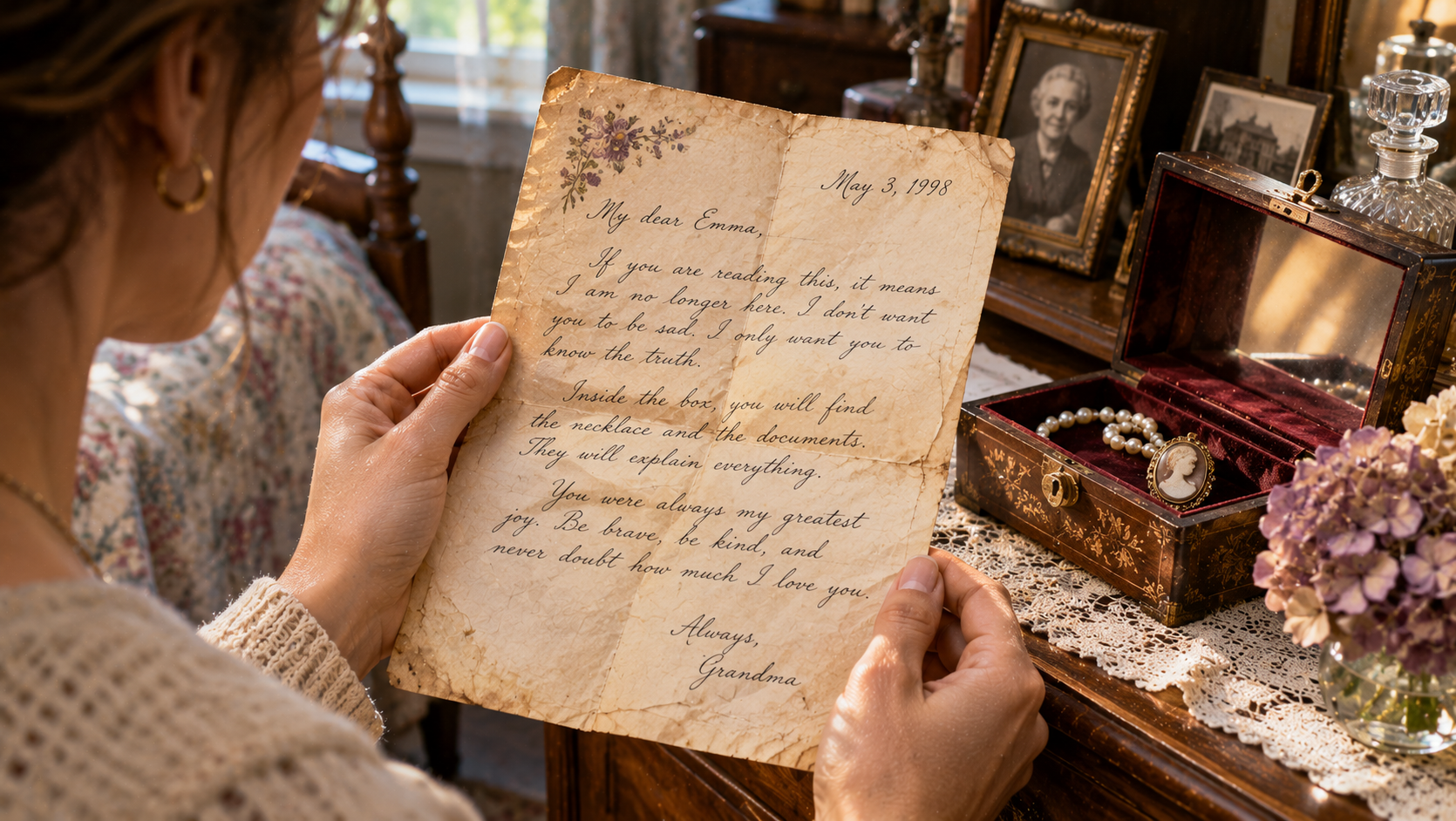
She had known. She had been afraid of him. And she had tried to protect me in the only way she could—with a loophole hidden in plain sight.
I don’t know if that makes it better or worse. But I do know this: I didn’t steal anything. I earned it. Fifteen years of my life, given freely, to a woman who loved me back. The law just made sure my brother couldn’t take that away.
Sometimes the only way to win is to play by the rules—and to keep every single receipt.
Recommended Stories

I Paid for My Sister’s Dream Wedding—Then She Eloped with My Fiancé and Posted the Photos on My Birthday
She paid $22,000 for her sister's dream wedding—then found the bride kissing her fiancé on her birthday. The receipts that...

I Found a Box of Love Letters in My Late Grandfather’s Closet—They Revealed He Had a Secret Second Family Across the Country
I found 42 love letters in my late grandfather's closet. They revealed he had a secret second wife and two...
At My Wedding, My Mother Gave a Toast That Exposed My Father’s 30-Year Affair—Then His Mistress Stood Up
At my wedding, my mother exposed my father's 30-year affair during her toast—then his mistress stood up. The truth that...