My Mother-in-Law Gave Me a ‘Worthless’ Painting for My Birthday—Years Later, an Art Dealer Offered Me $1 Million, But the Painting Was Stolen from a Famous Family, and They Want It Back
The Gift That Felt Like a Punchline
My mother-in-law, Eleanor, had a way of making me feel small without ever raising her voice. On my thirty-fifth birthday, she handed me a gift wrapped in paper so thin I could see the frame through it. “It’s from the attic,” she said, her smile tight. “I thought you might like something… rustic.”
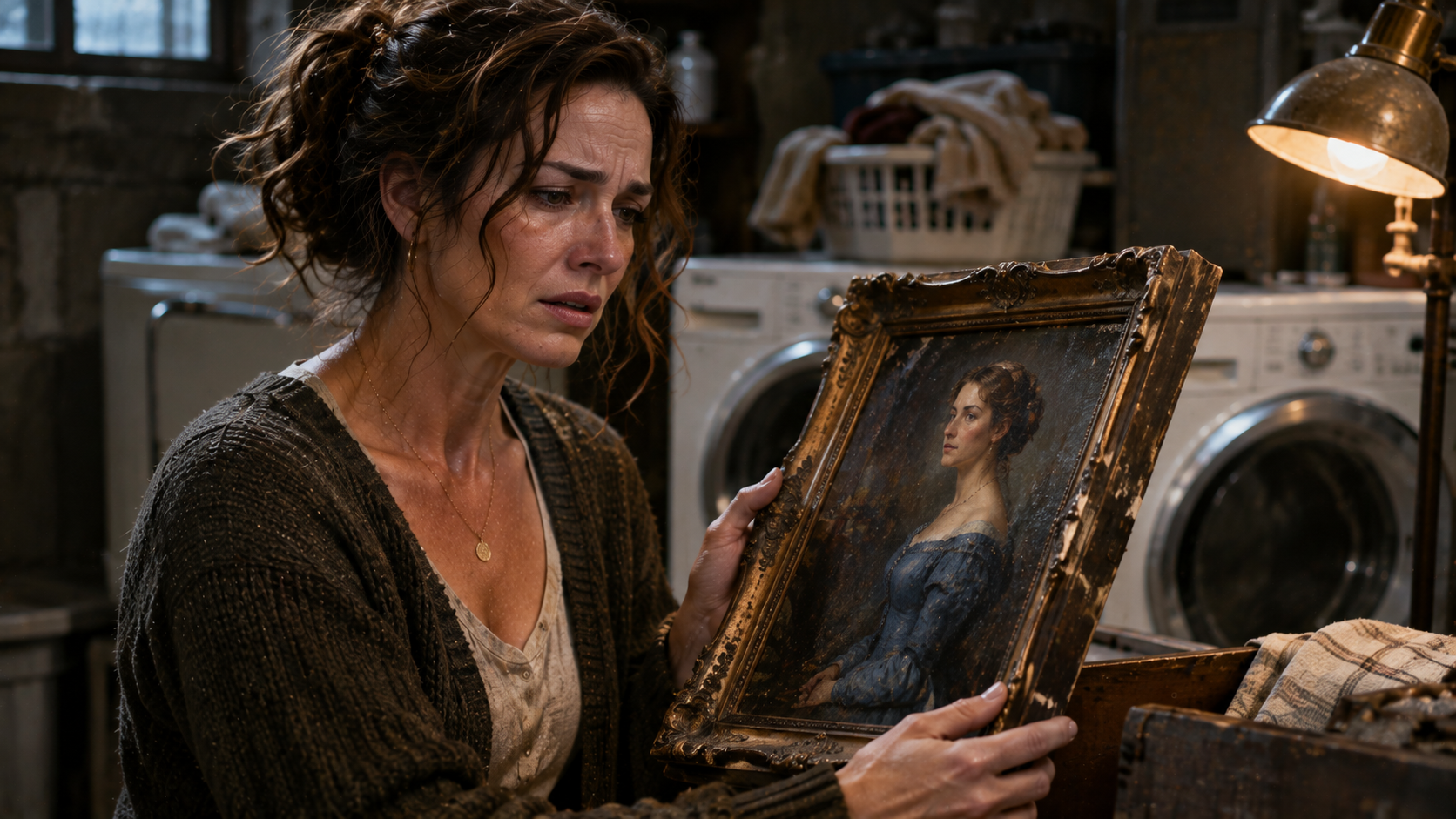
Inside was a painting—a small, dark oil portrait of a woman in a blue dress. The canvas was cracked, the varnish yellowed. It looked like something you’d find at a flea market. My husband, Mark, squeezed my hand under the table. “It’s the thought that counts,” he whispered.
I hung it in our laundry room, where it stayed for eight years. Eleanor never asked about it. I never mentioned it. It became a private joke between Mark and me—the “worthless” painting from the attic.
Then Eleanor died, and everything changed.
The Dealer’s Phone Call
Two years after Eleanor’s funeral, I decided to clean out the laundry room. The painting was dusty, and I almost tossed it into the donation pile. But something made me pause—maybe the way the woman’s eyes seemed to follow me. On a whim, I took a photo and sent it to a local art appraiser I’d found online.
Three days later, my phone rang. “Mrs. Hayes? This is Julian Marsh from Marsh & Associates. Where did you get this painting?”
“My mother-in-law gave it to me. It’s nothing, really.”
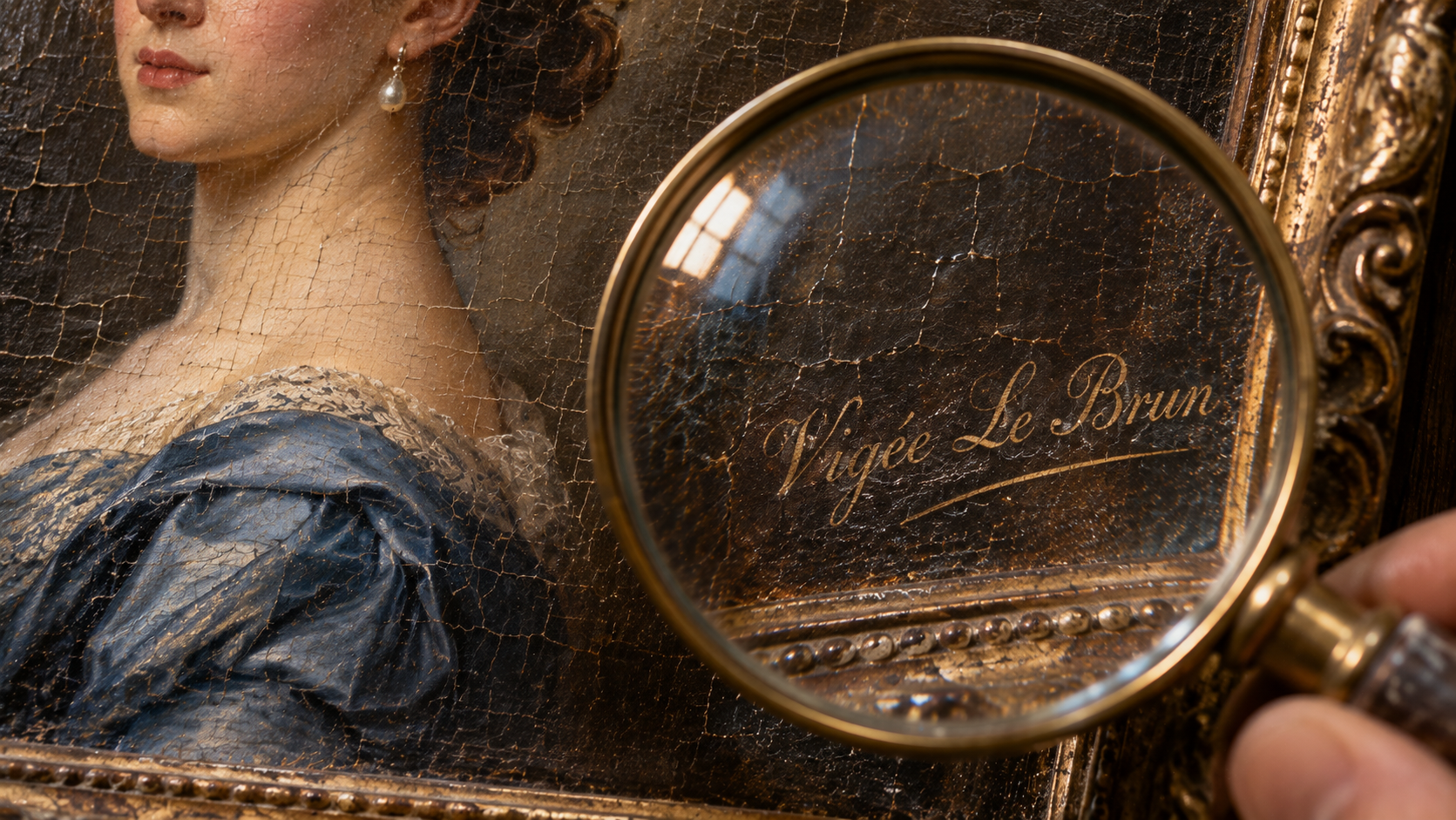
There was a long silence. “Mrs. Hayes, this painting is not nothing. It’s a lost portrait by Élisabeth Vigée Le Brun, circa 1788. It was stolen from the Whitmore family in 1972. It’s been missing for over fifty years.”
I laughed. “You’re joking.”
“I never joke about art. I have a client—a descendant of the Whitmores—who has been searching for this for decades. They’re prepared to offer one million dollars for its return. But I need to ask: how did your mother-in-law come to possess it?”
My blood ran cold. Eleanor had been a housekeeper for a wealthy family in Boston before she married. The Whitmores. She’d never mentioned them.
The Whitmore Secret
I confronted Mark that night. He went pale. “My mother worked for the Whitmores for years. She never talked about it. I just assumed she quit.”
I did some digging. The Whitmore family had been prominent in Boston society. In 1972, a burglary made headlines: several paintings stolen, including a Vigée Le Brun portrait of a young noblewoman. The case was never solved.
Eleanor had left the Whitmores’ employ in 1973. She’d never been a suspect—the family had trusted her. But the timing was too perfect.
I called Julian Marsh back. “I need to know more about the Whitmores. Who’s the client?”
“A granddaughter, Margaret Whitmore. She’s in her seventies now. She’s been trying to recover her family’s art for years. She’s not interested in prosecution—she just wants the painting back. But she’s also curious about how it ended up with you.”
I told him the truth: my mother-in-law gave it to me as a birthday gift, claiming it was from her attic.
“That’s… unusual,” Julian said. “But not unheard of. Sometimes stolen art gets passed around within families. The question is whether your mother-in-law knew what she had.”
I thought about Eleanor’s smirk when she handed me that gift. “Rustic,” she’d called it. Had she known? Was it a guilty conscience wrapped in cheap paper?
The Confrontation with the Whitmores
A week later, I met Margaret Whitmore at a café in Boston. She was elegant, with silver hair and sharp eyes. She brought a photograph of the painting from a 1968 catalog. It matched perfectly.
“My grandmother sat for that portrait when she was eighteen,” Margaret said. “It was her favorite. When it was stolen, she was devastated. She died a few years later, still hoping it would come back.”
I felt sick. “I had no idea. My mother-in-law never said anything.”
Margaret studied me. “Do you think she took it?”
“I don’t know. But she gave it to me like it was a joke. She didn’t like me much.”
Margaret nodded slowly. “I remember Eleanor. She was our housekeeper. Quiet, efficient. She left suddenly after the burglary. My father always wondered.”
She paused. “I’m not going to accuse her now. She’s gone. But I need the painting back. It belongs to my family.”
I agreed to return it. The million-dollar offer still stood, but I couldn’t take it. Not knowing it was stolen. Margaret insisted on giving me something—a finder’s fee of fifty thousand dollars. “For your honesty,” she said.
I accepted, but it felt like blood money.
The Letter in the Attic
Back home, I couldn’t let it go. I went through Eleanor’s old boxes, searching for anything about the Whitmores. In a dusty file folder, I found a letter in Eleanor’s handwriting, dated 1972.
It was addressed to her sister. “I did something terrible. I took a painting from the Whitmores. I don’t know why—I was angry, I was jealous. They had everything, and I had nothing. I hid it in the attic. I can’t return it now. They’ll know it was me. I’m so ashamed.”
I sat on the floor, the letter trembling in my hand. Eleanor had stolen it. And then, decades later, she’d given it to me—the daughter-in-law she’d always resented. Was it a confession? A cruel joke? Or had she simply wanted to get rid of the evidence?
Mark came home to find me crying. I showed him the letter. He read it in silence, then looked up, his eyes wet. “She was never the same after she left that job. I thought it was just stress. But this…” He shook his head. “I’m sorry. You didn’t deserve that gift. Or her treatment of you.”
We decided to give the letter to Margaret. It was the only way to close the loop.
The Resolution
Margaret read the letter with a strange calm. “I forgive her,” she said. “She was young and foolish. And she clearly carried the guilt her whole life.”
She asked if I would consider keeping the painting in my family, on loan to a museum, with the Whitmore name attached. “It’s part of your story now, too,” she said.
I agreed. The painting now hangs in the Boston Museum of Fine Arts, on loan from the Whitmore family, with a small plaque that reads: “Gift of Eleanor Hayes, in memory of a complicated legacy.”
I never saw the million dollars. But I got something better: the truth. And the knowledge that even a worthless gift can carry the weight of a lifetime of secrets.
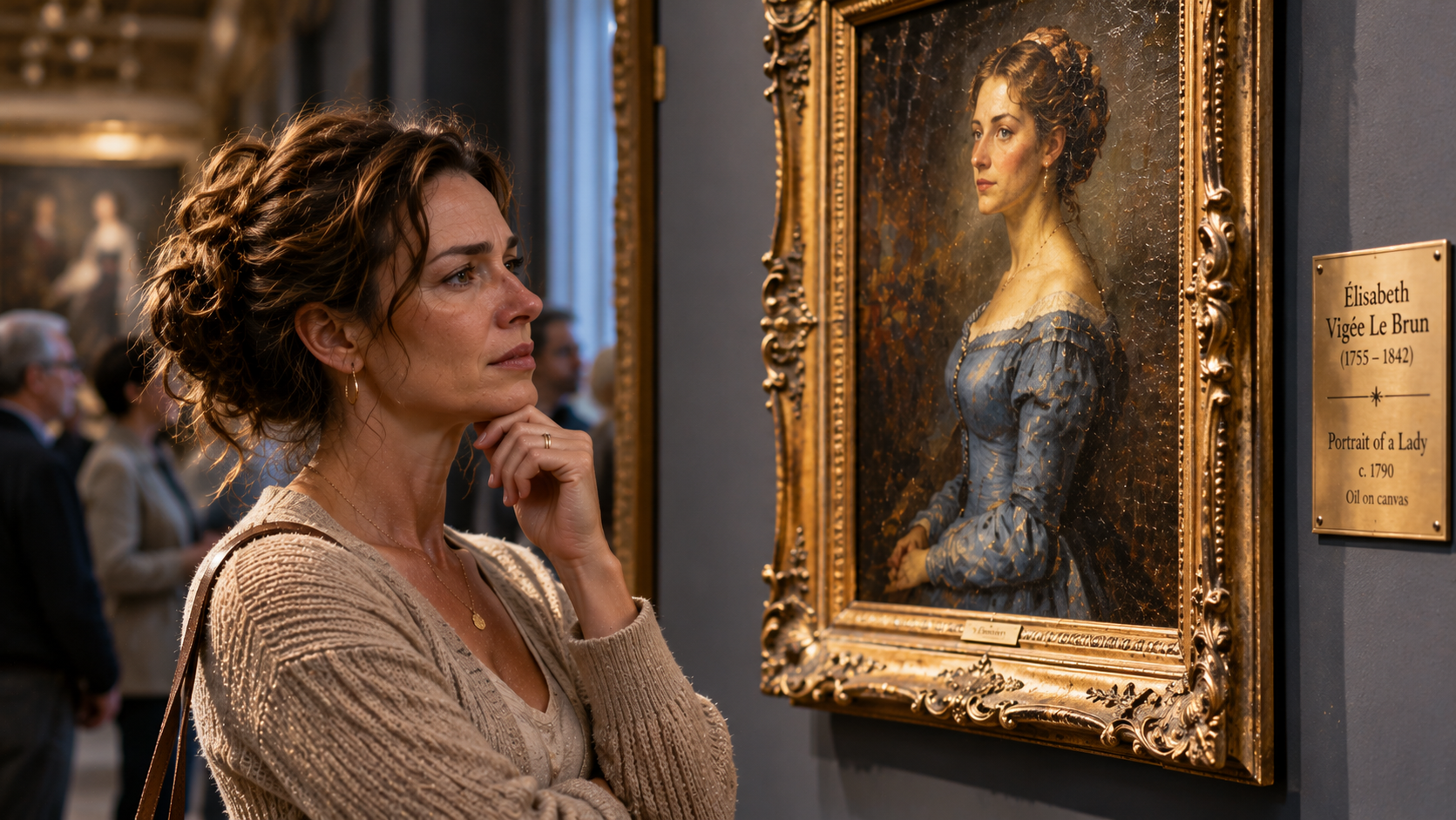
Sometimes I think about Eleanor, handing me that painting with that tight smile. Maybe she wanted me to find the truth. Maybe she wanted to be caught. Or maybe she just wanted to pass on her shame to someone else. I’ll never know. But I do know this: the things we give away often say more about us than the things we keep.
Recommended Stories
My Father Left Me a ‘Cursed’ Antique Clock—When I Finally Had It Appraised, the Appraiser Recognized It from a 50-Year-Old Theft
My father left me a 'cursed' antique clock. When an appraiser recognized it from a 50-year-old theft, I uncovered a...
I Gave Up My Career to Care for My Sick Mom for 12 Years—Then My Brother Found Her Will and Discovered I Was Never in It
I gave up my career to care for my sick mom for 12 years. Then my brother found her will—and...

I Donated My Kidney to My Brother—Then He Sued Me for ‘Emotional Distress’ After I Missed His Wedding Due to Surgery Complications, But Karma Had Other Plans
I gave my brother a kidney. He sued me for missing his wedding. Then the lawsuit exposed his darkest secret—and...