I Paid for My Parents’ Retirement Home—Then They Left It to My Brother in Their Will, Saying I ‘Owed’ Them. When I Found Their Bank Statements, I Realized They’d Been Hiding a Fortune
The Phone Call That Shattered Everything
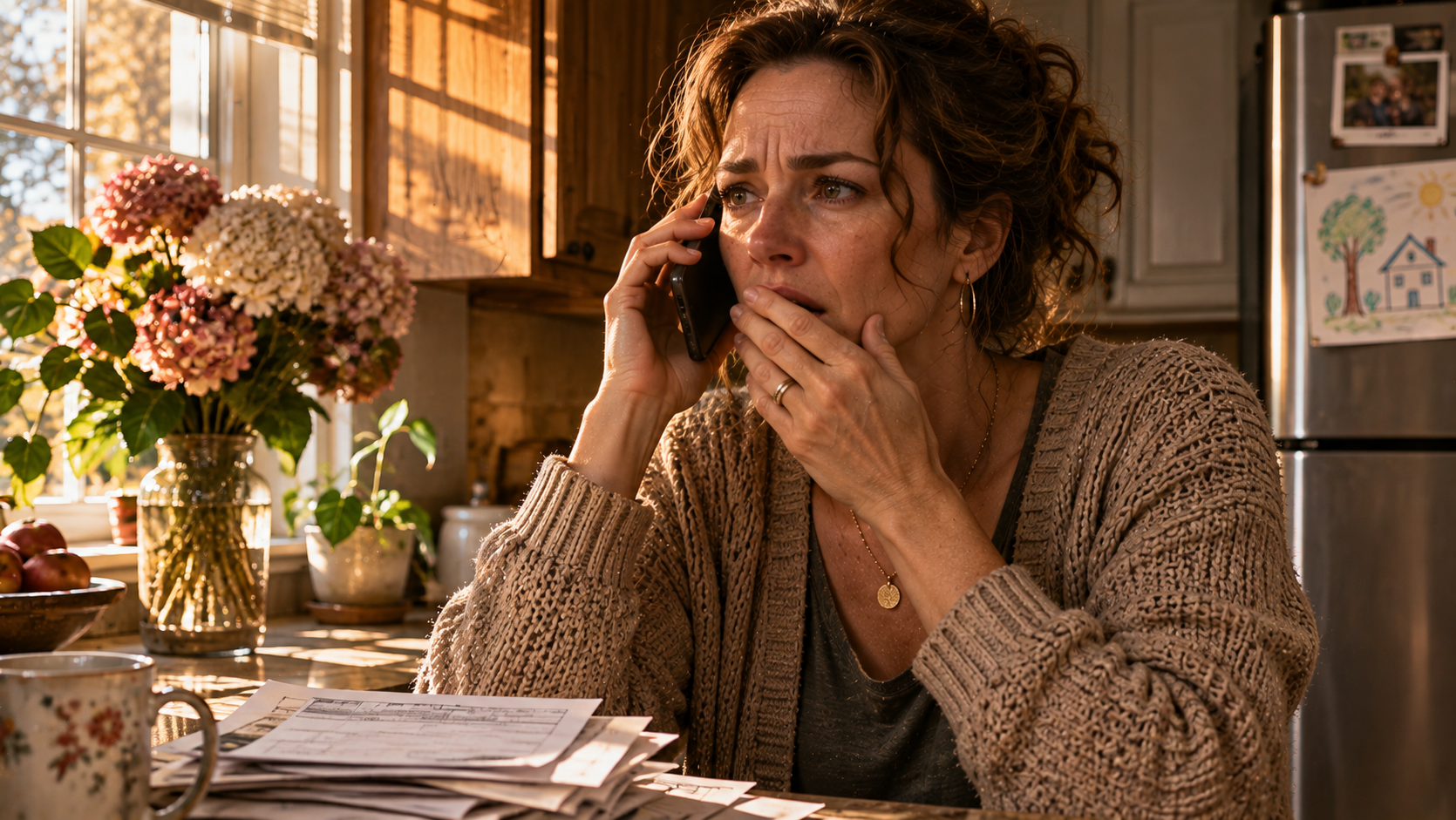
My mother’s voice was calm, almost cheerful, when she told me they’d finalized their will. “We’re leaving the house to your brother, Dana. You understand—he needs it more. And since you’ve been paying for the retirement home, we figured that settles any debt you owe us for raising you.” I stood in my kitchen, clutching the phone, staring at the stack of bills I’d been paying for eight years. The retirement home cost $4,200 a month. I’d never missed a payment. My brother, Kyle, hadn’t contributed a dime. “Debt?” I whispered. “What debt?” My mother sighed. “Don’t make this ugly, Dana. You’ve always been the dramatic one.”
I was forty-two, a high school math teacher in Boise, Idaho. I’d taken on extra tutoring shifts, skipped vacations, and driven a fifteen-year-old Honda so my parents could live in comfort. My father, Richard, had been a small-town accountant. My mother, Carol, had been a homemaker. They’d always said they had modest savings. But modest savings don’t cover a $4,200 monthly bill for eight years—not without help. I’d never questioned it. I’d just paid.
The Brother Who Always Got a Pass
Kyle was three years younger and had always been the golden child. He’d dropped out of college, bounced between jobs, and recently started a “consulting business” that seemed to involve a lot of golf. My parents had bailed him out of debt twice. I’d never asked for anything. When they’d moved into the retirement home five years ago, I’d offered to help with the fees because they’d claimed their pension didn’t cover it. My father had looked me in the eye and said, “You’re our responsible one, Dana. We trust you.”
Now, two weeks after that phone call, I drove to their retirement home in Meridian to confront them. I brought the payment receipts—eight years’ worth, neatly organized in a binder. My mother met me in the lobby, her smile tight. “Dana, we don’t want a scene.” My father stood behind her, arms crossed. “We’ve made our decision,” he said. “Kyle needs a fresh start. You have your teaching job. You’ll be fine.” I handed him the binder. “Then explain this. I’ve paid over $400,000. Where did that money come from if you had nothing?”
My father’s face flickered—just for a second. He pushed the binder back. “We managed. Your mother clipped coupons.” I laughed, a bitter sound. “Coupons don’t cover four grand a month.” My mother stepped forward, her voice dropping. “Dana, stop. You’re embarrassing yourself.”
The Discovery in the Basement
That night, I couldn’t sleep. I kept replaying my father’s flicker. Something was off. The next morning, I drove to their old house—the one now promised to Kyle. It was empty, waiting for him to move in. My parents had left boxes in the basement, things they hadn’t bothered to take to the retirement home. I still had a key. I told myself I was just looking for answers.
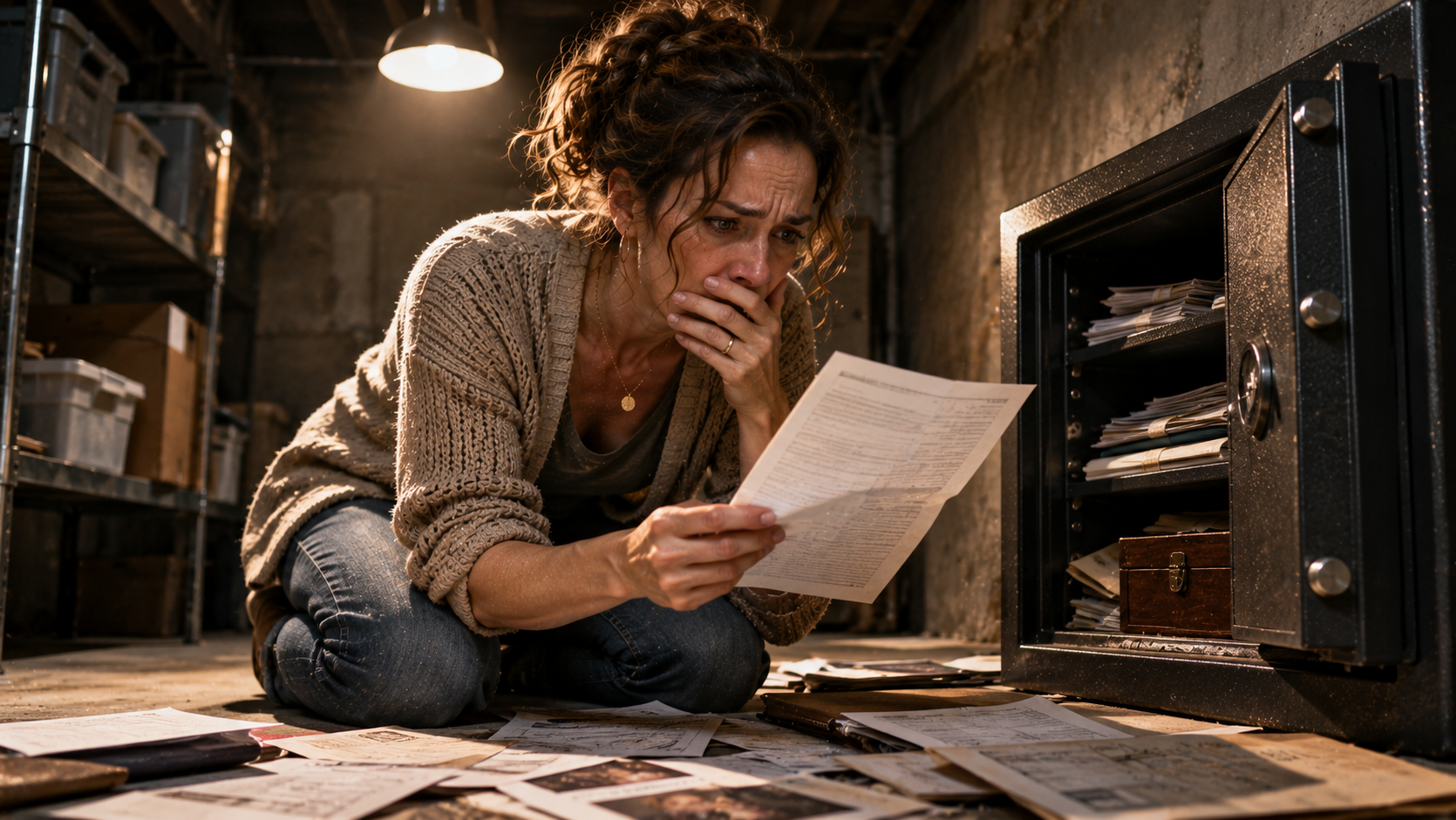
In a dusty corner, behind a broken exercise bike, I found a fireproof safe. It wasn’t locked. Inside were bank statements, investment portfolios, and a ledger. My hands shook as I flipped through them. My parents had over $2.3 million in assets. Stocks, bonds, a vacation property in Arizona they’d never mentioned. And a separate account—labeled “Kyle’s Trust”—with $500,000 deposited over the past decade. My father had been transferring money to my brother while I paid their bills.
I sat on the cold concrete floor, the papers spread around me. Eight years of my life. Eight years of extra shifts, of saying no to friends’ weddings, of driving a car that rattled. All while they sat on a fortune and funneled it to Kyle. I felt something crack inside me—not just anger, but a deep, hollow grief. They’d never seen me as a daughter. They’d seen me as a resource.
The Confrontation That Changed Everything
I didn’t go to the police. I didn’t call a lawyer—not yet. I went back to the retirement home, but this time I brought copies of everything. I found my parents in the dining room, having lunch with Kyle. He was laughing, his plate piled high. I walked over and dropped the stack of papers on the table. “Two point three million,” I said quietly. “Plus half a million for Kyle. You told me you had nothing.”
My mother’s fork clattered onto her plate. My father went pale. Kyle just stared, his mouth half-open. “Dana, you went through our things?” my mother hissed. “You had no right.” I leaned in. “You had no right to take my money while you sat on a fortune. You had no right to tell me I owed you for raising me. And you have no right to that house—I paid for it, every month, for eight years.”
My father stood up, his voice shaking. “We were going to tell you. Eventually. We just thought—” I cut him off. “You thought I’d keep paying and keep quiet. But here’s what’s going to happen. Either you sign the house over to me, or I take this to a lawyer and sue for fraud. I have every receipt. Every statement. You lied to me for eight years.”
Kyle finally spoke. “Dana, come on. We’re family.” I looked at him—really looked. “Family doesn’t do this,” I said. “You’re not my family anymore.”
The Aftermath and a New Beginning
It took three months, but they signed. The house became mine. I sold it and used the money to pay off my own debts and set up a savings account I’d never had. My parents stayed in the retirement home—I stopped paying, and they suddenly found the funds to cover it themselves. Kyle’s trust fund? I didn’t touch it. I didn’t need to. I just needed to be free.
I haven’t spoken to my parents since. My mother sends cards on holidays, unopened. My father emailed once, asking for forgiveness. I deleted it. Some betrayals aren’t meant to be forgiven—they’re meant to be survived.
Last week, I bought a new car. Nothing fancy—a used Subaru, but it’s mine. As I drove home, I realized something: I’d spent years believing I was the lucky one, the responsible one, the daughter who had it together. But I’d been the fool. The truth is, my parents never saw me as their child. They saw me as a safety net. And the moment I stopped being useful, they discarded me.
But here’s the thing about being discarded—you finally get to decide what you’re worth. And I’m worth more than their lies.
Recommended Stories
My Father’s Dying Words Were ‘Check the Garage’—What I Found Behind the Drywall Made Me Call the Police
His dying words were a riddle. Behind the garage wall, I found a fake ID, $20,000, and a secret that...

My Stepmother Burned My Late Mother’s Letters—Then I Found One She Missed, and It Named My Real Father
She burned every letter my mother ever wrote—except one. Hidden in a book, it named my real father. What I...

My Brother Used My Social Security Number to Open 12 Credit Cards—When I Confronted Him, He Laughed and Said ‘You Owe Me for Being the Favorite.’ Then the Bank Statements Revealed His Real Motive
My brother opened 12 credit cards in my name and laughed when I confronted him. Then the bank statements revealed...