My Brother Used My Social Security Number to Open 12 Credit Cards—When I Confronted Him, He Laughed and Said ‘You Owe Me for Being the Favorite.’ Then the Bank Statements Revealed His Real Motive
The first envelope arrived on a Tuesday—a past-due notice from a credit card I’d never applied for. I almost tossed it, assuming it was a mistake. But then another came. And another. By the end of the week, I had seven envelopes, each with a different bank logo, each demanding payment on accounts I’d never opened.
My hands shook as I called the first number. The representative confirmed the account was opened in my name, with my Social Security number, six months earlier. A balance of $4,200 was already past due. I felt the floor drop out from under me.

I pulled my credit report that night. Twelve credit cards. Twelve. All opened within the past year. Total debt: $87,000. My credit score had plummeted from 780 to 520. I hadn’t applied for a single one.
There was only one person who had access to my documents—my younger brother, Danny. He’d stayed with me for three months after losing his job, and I’d let him use my home office. He knew where I kept my files. He’d even joked about how organized I was.
The Confrontation That Turned My Blood Cold
I drove to Danny’s apartment the next morning. He opened the door in his bathrobe, coffee in hand, and smiled when he saw me. That smile vanished when I held up the stack of bills.
“What the hell is this, Danny?”
He glanced at the envelopes, then back at me. And then he laughed. A real, genuine laugh.
“Relax, Erin. It’s not a big deal.”
“Not a big deal? You stole my identity! You opened twelve credit cards in my name!”
He shrugged. “You owe me. You’ve always been the favorite. Mom and Dad paid for your college, your wedding, your first house. I got nothing. So yeah, I used your credit. Consider it back pay.”
I stood there, frozen. “You’re insane. I’m calling the police.”
“Go ahead,” he said, stepping closer. “But you should know—I’ve been paying those cards. On time, every month. Until last month, when I lost my job again. So technically, I was doing you a favor. Building your credit.”
I left before I said something I’d regret. But I knew he was lying. The past-due notices proved that.
The Bank Statements That Revealed Everything
Two weeks later, I hired a forensic accountant named Linda. She’d worked identity theft cases for twenty years. I gave her everything—the credit reports, the bills, the little information I had about Danny’s finances.
Linda called me three days later. “Erin, you need to sit down.”
She explained that Danny hadn’t just opened credit cards. He’d used them to fund a lifestyle he couldn’t afford—designer clothes, a leased BMW, expensive dinners. But that wasn’t the worst part.
“He also took out a $40,000 personal loan in your name,” Linda said. “And he used the money to pay off his own debts. He was drowning, Erin. And he pulled you under with him.”
I felt sick. “Can I prove it?”
“Yes. The bank statements show transfers from your accounts to his. He wasn’t even careful. He thought you’d never find out.”
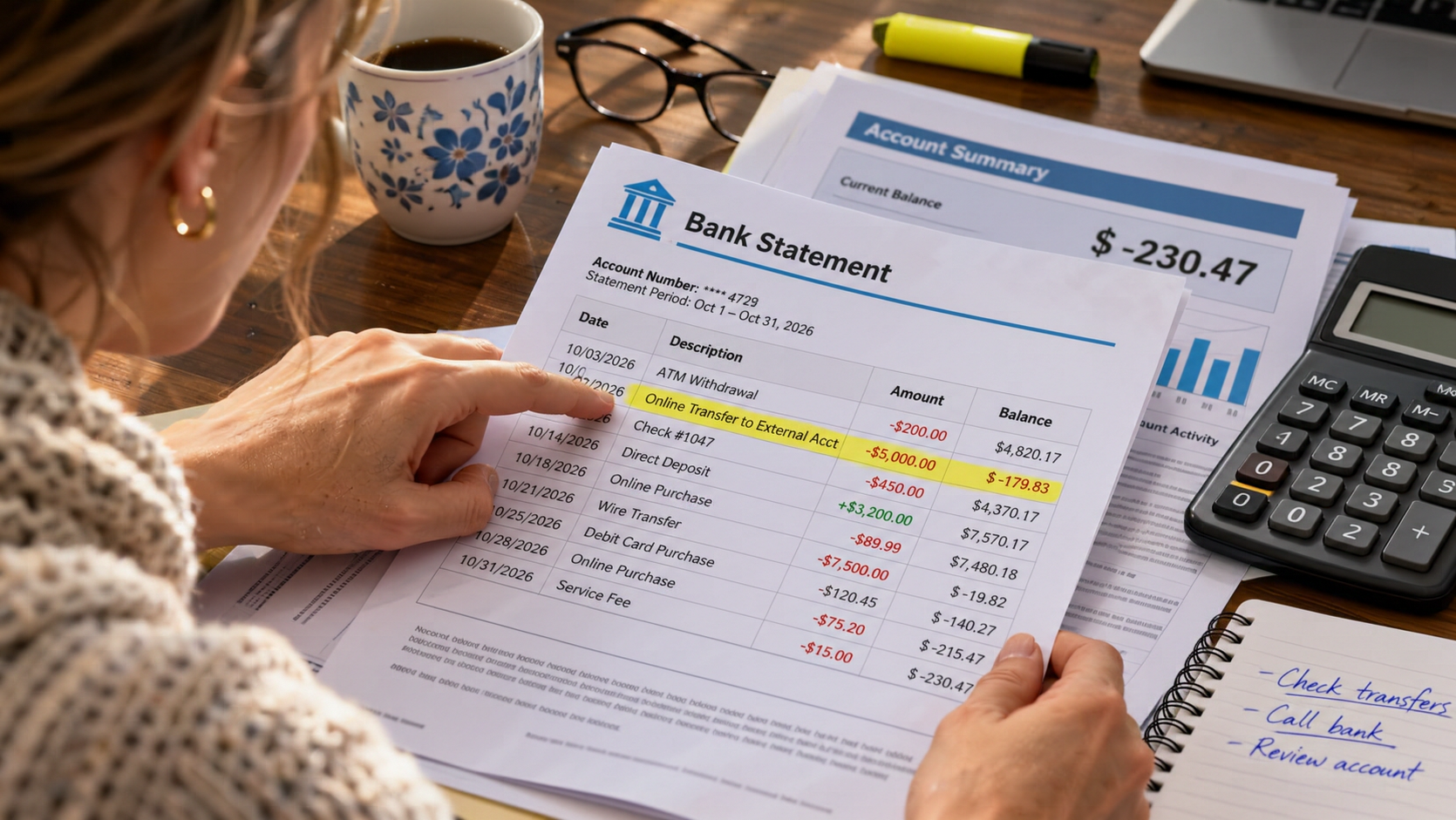
But Linda found something else—something that made my blood run cold. Danny had also opened a life insurance policy in my name, with himself as the beneficiary. A $500,000 policy. He’d forged my signature.
“Why would he do that?” I whispered.
“I don’t know,” Linda said. “But you need to go to the police. Now.”
The Legal Fallout and a Family Divided
I filed a police report the next day. The detective assigned to my case was sympathetic but warned me that identity theft cases can take years. “We’ll do our best,” she said. “But you should prepare for a long fight.”
When my parents found out, they didn’t react the way I expected. My mother called me, crying. “How could you do this to your brother? He’s family!”
“He stole from me, Mom. He ruined my credit. He took out a life insurance policy on me.”
“He made a mistake. He’s your little brother. You can’t send him to prison.”
I couldn’t believe what I was hearing. “He committed a crime. Multiple crimes.”
“You’ve always been so perfect,” she snapped. “Maybe if you’d helped him more, he wouldn’t have had to do this.”
That was the moment I realized my parents would never see Danny for who he really was. To them, he was still the golden boy who could do no wrong. I was the one who had to be perfect, who had to sacrifice, who had to forgive.
I hung up and didn’t speak to them for three months.
The Hidden Motive
The police investigation moved slowly, but Linda kept digging. She found something that changed everything: Danny had been in contact with a man named Victor, a known identity theft ringleader. Danny wasn’t just stealing for himself—he was selling my information to a criminal network.
The life insurance policy was part of a larger scheme. Victor’s crew would open policies on unsuspecting victims, then fake their deaths to collect the payouts. Danny had volunteered me as a target.
When the detective told me this, I felt the world tilt. My brother hadn’t just stolen from me. He’d tried to erase me.
Danny was arrested two weeks later. The evidence was overwhelming—bank records, forged signatures, text messages with Victor. He was charged with identity theft, fraud, and conspiracy to commit insurance fraud. He faced up to fifteen years in prison.
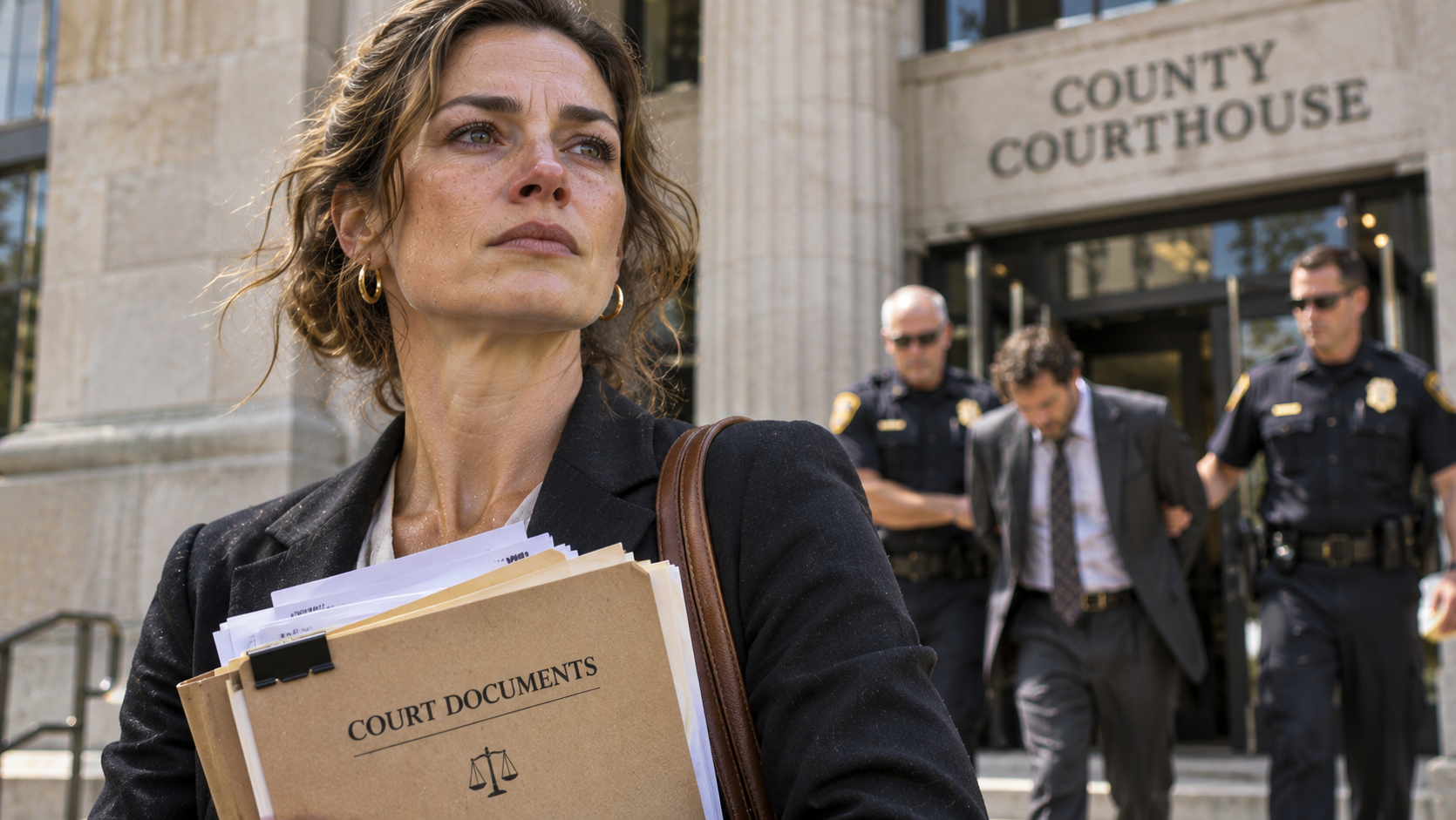
At his sentencing, Danny finally broke down. “I’m sorry, Erin,” he said, tears streaming down his face. “I was desperate. I didn’t know what else to do.”
I didn’t respond. I couldn’t. The brother I’d grown up with, the one I’d protected and defended, was gone. In his place was a stranger who had tried to destroy me.
Rebuilding What Was Broken
It took two years to clear my credit and settle the fraudulent debts. I had to prove my innocence to twelve different banks, provide endless documentation, and attend countless hearings. But I did it. My credit score is back above 750 now, and I’ve learned to freeze my credit and monitor my accounts religiously.
My parents eventually came around—after Danny was sentenced to eight years in prison. They apologized, but the damage was done. Our relationship is polite now, but the trust is gone. They still visit Danny in prison. I don’t.
I’m sharing this story because I want others to know that identity theft isn’t always committed by strangers. Sometimes it’s the people we love the most. And sometimes the only way to protect yourself is to walk away.
Today, I live in a small apartment in Portland, Oregon, with my dog, Max. I work as a graphic designer, and I’ve started volunteering with a local identity theft support group. I’ve learned to forgive—not for Danny’s sake, but for my own. Because holding onto that anger was like drinking poison and expecting him to die.
But I’ll never forget the day he laughed at me. That laugh still echoes in my mind. And it reminds me that sometimes the greatest betrayal comes from the people you’d trust with your life.
Recommended Stories
My Brother Forged Our Dad’s Will—But He Didn’t Know About the Second Copy
When my brother announced he'd inherited everything, I knew he was lying. But I never expected to find a second...
My Stepmother Sold My Mother’s Wedding Ring at a Pawn Shop for $50—I Bought It Back for $5,000, Then Sued Her for the Full Value
My stepmother sold my mother's wedding ring for $50. I bought it back for $5,000—then discovered it was worth $50,000....

At My Wedding, My Mother-in-Law Announced She Was Pregnant—Then My Father Stood Up
A wedding toast turns into a confession: my mother-in-law is pregnant, and my father is the father. The fallout shatters...