My Mother-in-Law Secretly Recorded My Miscarriage and Played It at My Baby Shower—Then My Husband Found the Recording and Made a Choice That Destroyed Her
The Day My World Shattered Twice
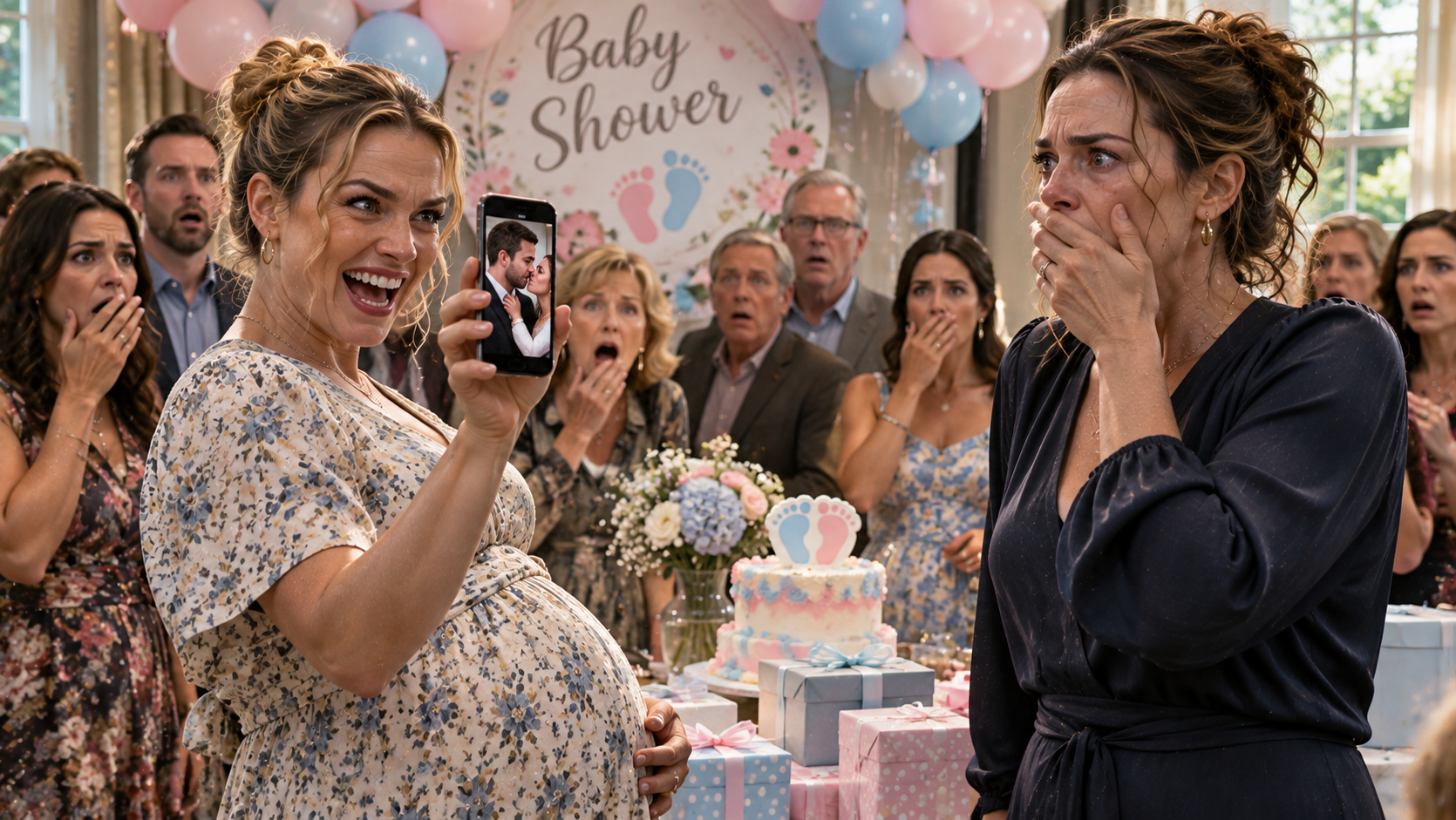
I was six months pregnant with our rainbow baby when my mother-in-law, Carol, insisted on hosting my baby shower. After two miscarriages, this pregnancy felt like a miracle, and I was finally allowing myself to hope. The shower was in full swing—pastel balloons, a diaper cake, forty of my closest friends and family—when Carol clinked her glass and asked for silence.
“I have a special gift for Emma,” she announced, her smile tight. “Something to remind her of the journey that brought her here.”
She pressed play on her phone, and a recording filled the room. My own voice, raw and broken, sobbing the words I’d spoken to her in confidence after my second miscarriage: “I don’t think I can survive another loss. I’m not strong enough.”
The silence that followed was suffocating. Women stared at their plates. My sister gripped my hand. Carol stood there, beaming, as if she’d shared a heartwarming tribute. I felt my face burn, my throat close. I wanted to disappear.
That was the first time Carol destroyed me in public. It wouldn’t be the last.
The Hidden Recording
I met Carol’s son, Mark, five years ago. He was kind, steady, and nothing like his mother. Carol had always been possessive—she called Mark three times a day, criticized my cooking, and once rearranged my kitchen cabinets while we were on vacation. But I brushed it off as overbearing love. After we married, she escalated. She’d drop by unannounced, comment on my weight, and hint that I wasn’t good enough for her son.
When I got pregnant the first time, she seemed genuinely happy. But after the miscarriage at nine weeks, she showed up at the hospital with a casserole and a lecture: “Maybe you should stop working so hard. Stress kills babies.” I was too grief-stricken to respond.
The second miscarriage, at eleven weeks, was worse. I fell into a deep depression. Mark was supportive, but Carol’s visits became more frequent. One afternoon, she found me crying on the couch and sat beside me, her voice soft. “Talk to me, honey. I’m here for you.”
I poured my heart out—my fear, my guilt, my feeling that my body had failed me. I told her I wasn’t sure I could try again. She held my hand and promised to pray for me. I thought we’d had a breakthrough.
What I didn’t know was that her phone was recording the entire conversation.
The Baby Shower Ambush
After the recording played, the shower dissolved into chaos. My best friend, Lena, grabbed the phone from Carol and deleted the file. My mother escorted me to the car. Mark was at work and missed the whole thing. When I told him that night, he was furious. He called Carol and demanded an explanation. She claimed she’d “accidentally” played the wrong audio file and that she’d meant to share a voicemail of me thanking her for her support.
“You have to believe me,” she sobbed. “I would never hurt Emma on purpose.”
Mark wanted to believe her. He suggested we give her a second chance. I was too exhausted to fight. But I couldn’t shake the feeling that something was very wrong.
The Discovery That Changed Everything
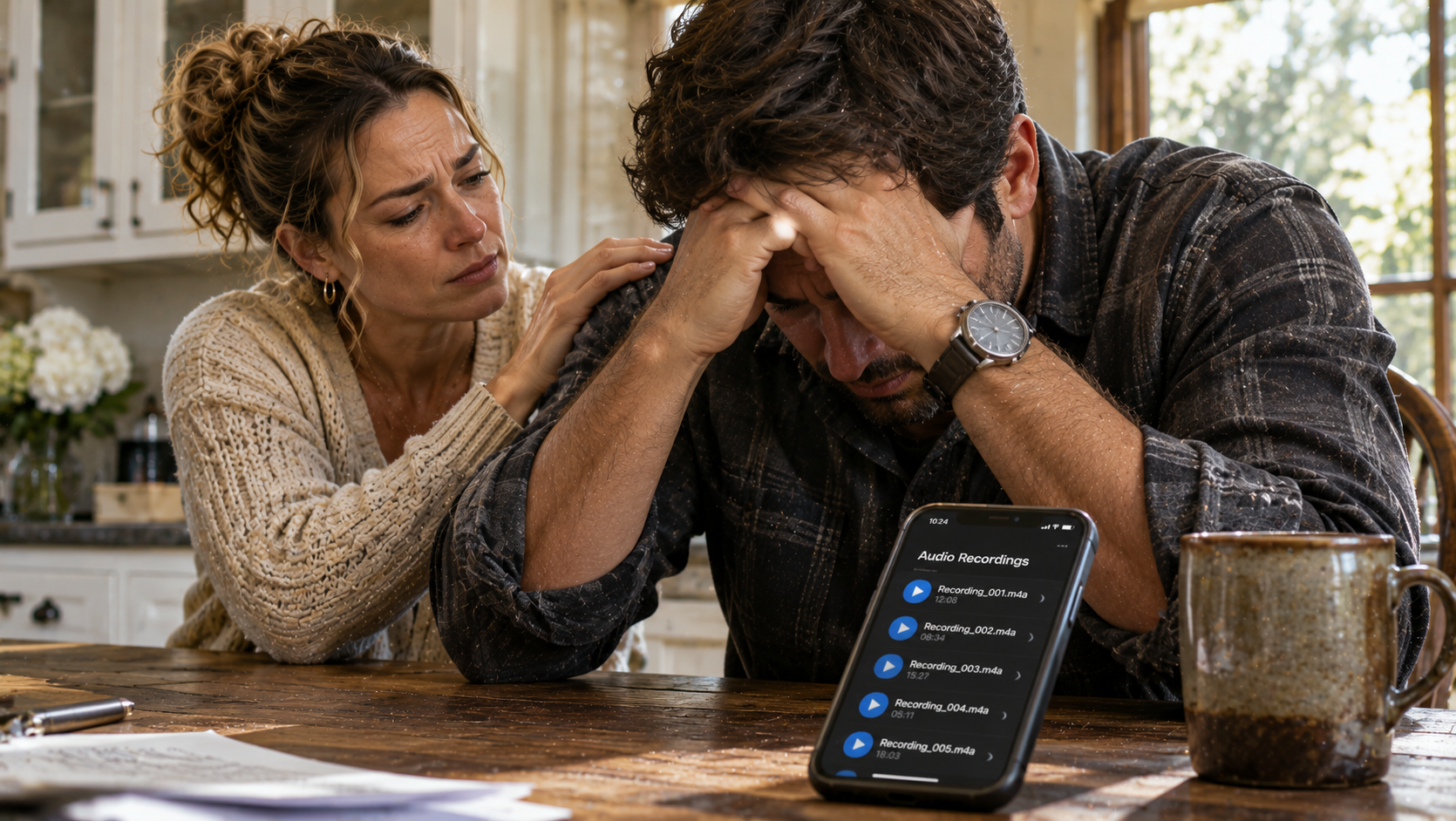
Two weeks later, Mark was helping his mother set up a new smartphone. While transferring data, he stumbled upon a folder labeled “Emma.” Inside were dozens of audio files—recordings of our private conversations dating back years. There was the one from the baby shower, but also phone calls, arguments, even a recording of me telling Mark about my first pregnancy test.
Mark listened to a few. His face went pale. He heard his mother mocking me, calling me a “drama queen” and saying I was “faking” my grief for attention. In one recording, she told a friend that I was “too fragile to be a mother” and that Mark should have married his ex-girlfriend.
He confronted Carol that evening. I wasn’t there, but he told me later that she didn’t deny it. She said she was “protecting” him by documenting my “instability.” She claimed she was worried I’d hurt the baby.
Mark packed a bag, took our dog, and moved in with his brother. He told Carol he needed time. Then he came home to me and said the words I never thought I’d hear: “I’m done. She’s not welcome in our lives anymore.”
The Fallout
Carol didn’t go quietly. She called every relative, telling them I’d turned her son against her. She showed up at our house unannounced, demanding to see Mark. When he refused, she threatened to sue for “grandparents’ rights.” She even created a Facebook group called “Justice for Carol,” where she posted edited clips of the recordings to paint me as unstable.
But the full recordings—the ones Mark had saved—told a different story. When his aunt asked to hear them, Carol’s narrative collapsed. One by one, family members distanced themselves. Her sister stopped speaking to her. Her church group asked her to step down from the hospitality committee.
Meanwhile, I focused on my pregnancy. The stress of the confrontation caused a few scares, but my doctor assured me the baby was healthy. Mark and I started therapy, both individually and together. He struggled with guilt for not seeing his mother’s behavior sooner. I struggled with trust.
The Final Confrontation
Three months after the baby shower, Carol showed up at the hospital when I went into labor. She was holding a bouquet of flowers and a stuffed bear, as if nothing had happened. Mark met her in the hallway and told her to leave. She refused.
“I have a right to see my grandchild,” she said loudly, drawing stares from the nurses.
Mark pulled out his phone and played one of the recordings—the one where she called me a “drama queen.” Carol’s face went white. He played another, where she said I was “faking” my grief. Then he played the recording from the baby shower.
“You did this,” he said quietly. “You don’t get to pretend anymore.”
Security escorted her out. She screamed that we would regret this. But we didn’t.
We named our daughter Nora. She’s two now, and Carol has never met her. Mark and I are stronger than ever. But the scars remain. I still flinch when I hear my own voice on a recording. I still wonder what else Carol recorded that we never found.
The last time I saw Carol was at a family funeral. She approached me, tears in her eyes, and said she was sorry. I nodded and walked away. Some betrayals can’t be forgiven.
Mark and I don’t talk about her anymore. But every now and then, I catch him staring at his phone, and I know he’s thinking about the recordings. About the mother he thought he knew. About the choice he made that destroyed her.
And I know he’d make it again.
Recommended Stories
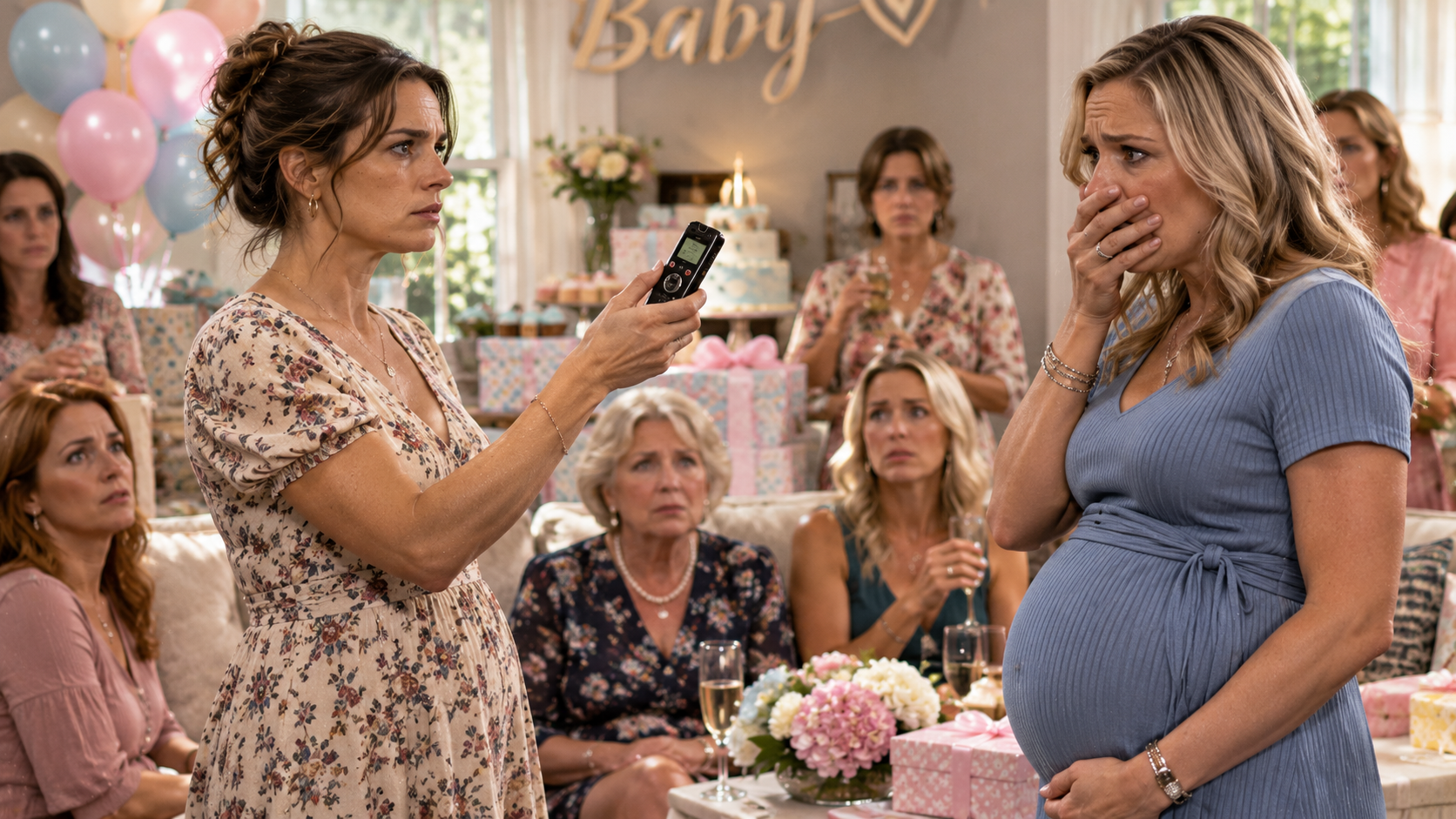
My Mother-in-Law Secretly Recorded Me for Years—Then She Played the Tapes at My Baby Shower
She recorded me for years, then played the tapes at my baby shower. But she never expected what I found...
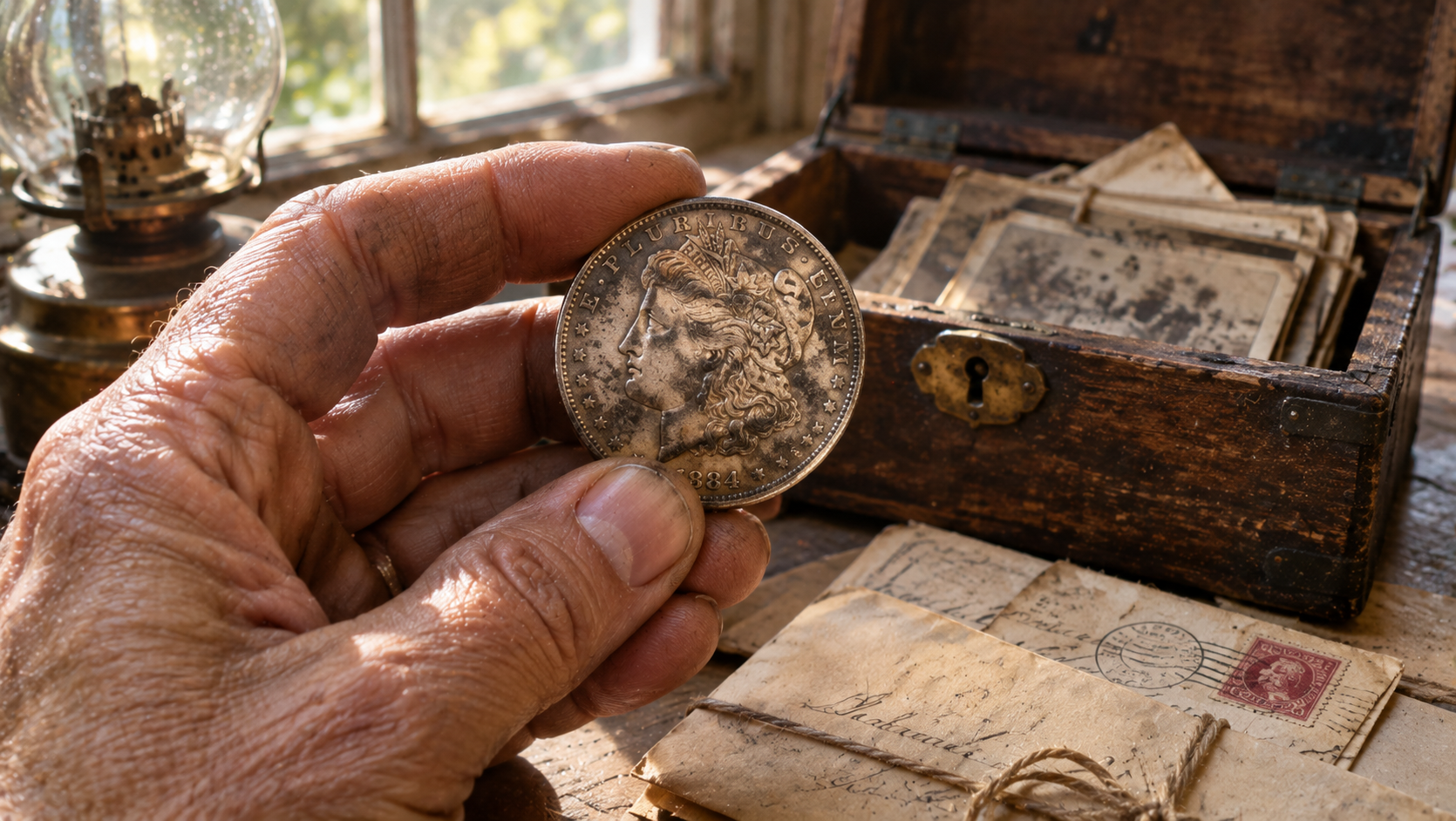
My Father Left Me a ‘Worthless’ Coin Collection—Then a Numismatist Offered Me $500,000 and Asked Where I Got It
My father left me a box of 'worthless' coins. A numismatist offered $500,000—then asked where I got them. The answer...
My Brother Sold Our Family Farm Without Telling Me—Then I Found the Original Deed in a Library Book and Discovered He Had No Right
When my brother sold our family farm behind my back, I thought I'd lost everything. Then I found the original...