My Brother Sold Our Family Farm Without Telling Me—Then I Found the Original Deed in a Library Book and Discovered He Had No Right
The Phone Call That Shattered Everything
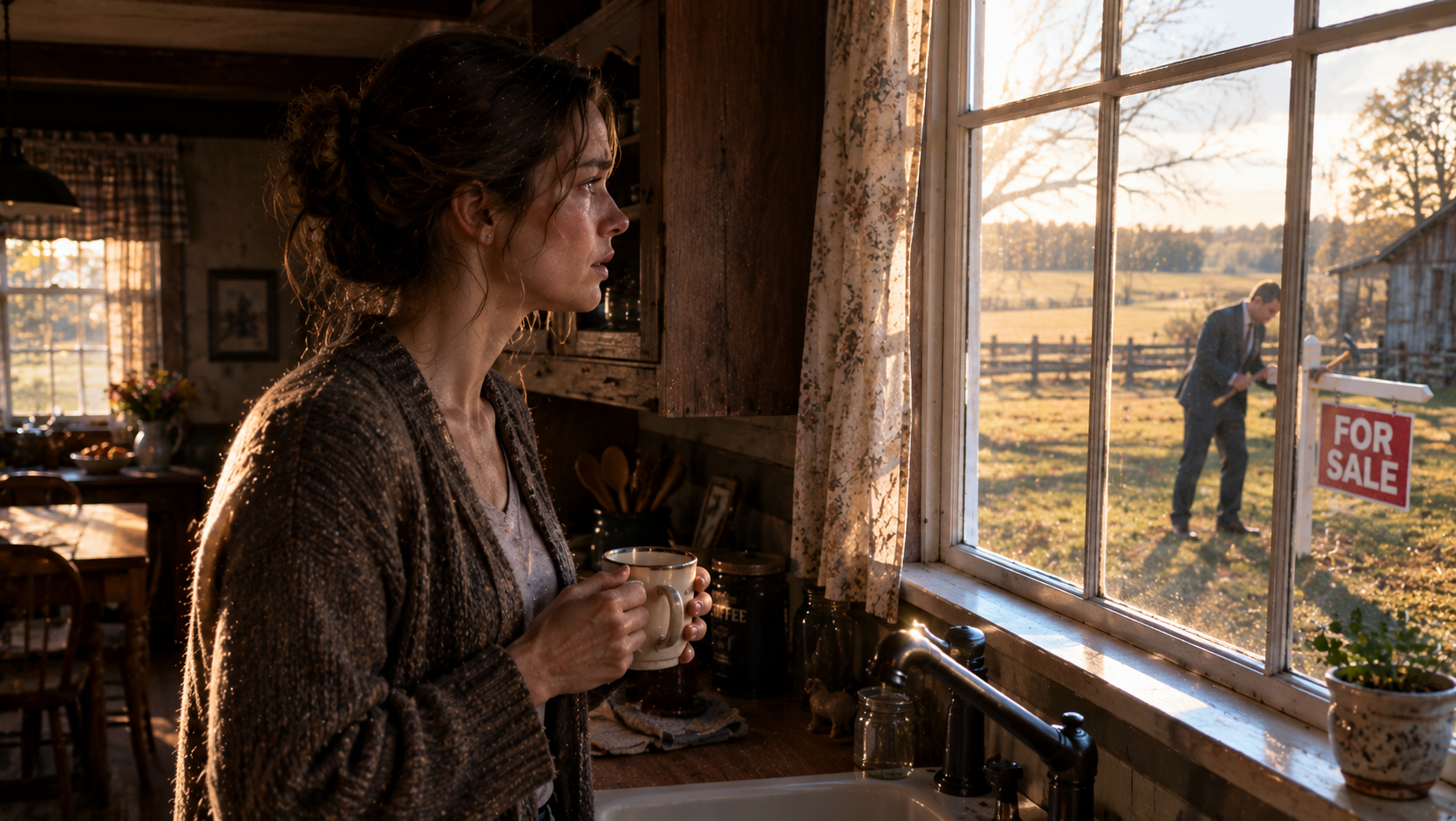
The gravel crunch of tires on the driveway was the first thing that felt wrong. I was standing in my late parents’ kitchen, holding a mug of coffee that had gone cold an hour ago, when a stranger in a suit knocked on the back door. He introduced himself as a real estate developer and said he’d bought the farm. My farm. The one my grandfather had carved out of the Illinois prairie in 1948, the one my father had worked until his hands bled, the one I’d been maintaining for the past three years since Mom passed. I told him he was mistaken. He pulled out a signed contract. My brother’s signature was at the bottom.
I called Danny immediately. He didn’t deny it. “The farm’s a money pit, Lizzie,” he said, his voice flat and distant. “I got an offer we couldn’t refuse. You’ll get your half.” Then he hung up. I stood there in the kitchen, staring at the faded wallpaper Mom had picked out in 1987, and felt the floor drop out from under me. That farm wasn’t just land. It was our history. And Danny had sold it without a word.
The Paper Trail That Didn’t Add Up
For three weeks, I barely slept. I hired a lawyer, Meredith Kane, who took one look at the contract and frowned. “Something’s off here,” she said. “Your brother signed as sole owner. But if your parents left the farm to both of you, he couldn’t legally sell without your signature.” I told her what I knew: Mom’s will had been probated three years ago, and Danny had handled all the paperwork. I’d been grieving and overwhelmed, so I’d signed whatever he put in front of me. “Can you get me a copy of the deed?” Meredith asked. “The original, not a copy of a copy.” I promised I would.
My first stop was the county clerk’s office. The deed on file listed Danny as the sole heir. That made no sense. I drove to Danny’s house that evening, but his wife, Carla, met me at the door with a tight smile. “He’s not here,” she said. “And you shouldn’t be either. You’re just making this harder.” She shut the door in my face. I sat in my car in their driveway, hands shaking, and realized I was on my own.
That night, I remembered something. Dad had a habit of hiding important papers in books. He’d once told me, “Libraries are safer than safes, Lizzie. Nobody thinks to look there.” It seemed like a silly memory at first, but the more I thought about it, the more it nagged at me. Dad had a favorite book—a worn-out copy of Walden that he kept on the shelf in his study. I’d donated most of his books to the local library after he died, but that one I’d kept. I tore my house apart looking for it. It wasn’t there. Then I remembered: I’d donated it too, in a box of books I’d dropped off at the Rockford Public Library two years ago.
The Discovery in the Stacks
The next morning, I drove to the library and asked the librarian if they kept donated books in circulation. She led me to the stacks. And there it was—Walden, with Dad’s name written in faded ink on the inside cover. My hands trembled as I opened it. Tucked into the back, folded into a tight square, was a document. The original deed to the farm. And it didn’t say what Danny’s paperwork said. It listed three names: my father, my mother, and me. Not Danny. Just me.
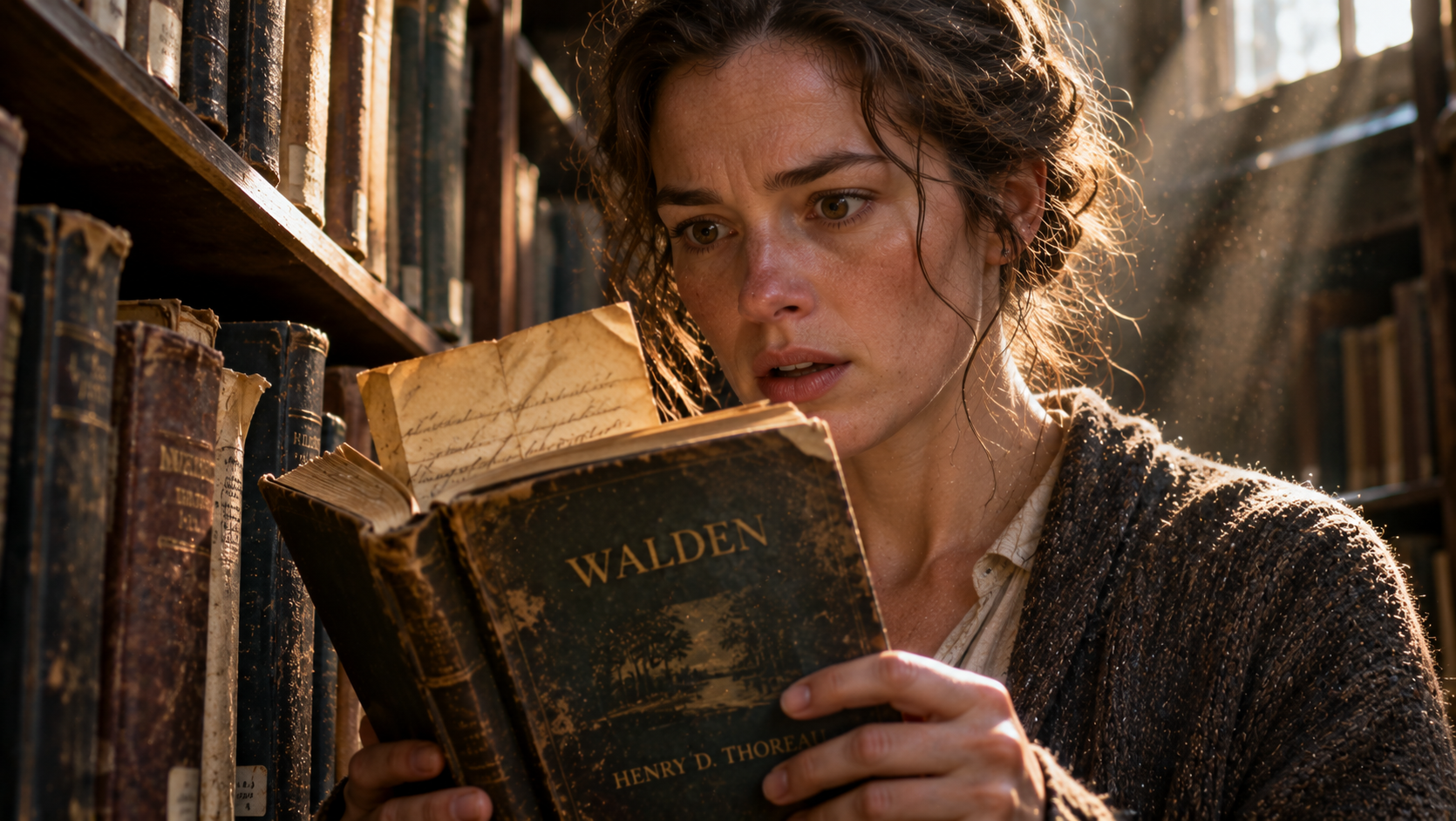
I sat down on the floor right there in the stacks and read it three times. The deed had been amended in 2005, two years before Dad died. It transferred sole ownership of the farm to me, with a clause stating that Danny would receive the value of his share in cash from the estate. But Mom’s will—the one Danny had probated—had divided everything equally. That meant Danny had forged the will. Or he’d hidden the amendment. Either way, he’d sold something that wasn’t his to sell.
Meredith was stunned when I showed her the deed. “This changes everything,” she said. “If this is authentic—and it looks authentic—your brother committed fraud. The sale is voidable. But we need to move fast.” She filed an emergency injunction the next morning. The developer was furious, but the court froze the sale pending an investigation.
The Confrontation
Danny showed up at my house that night, pounding on the door. I opened it and stepped back as he stormed in. “What the hell are you doing?” he shouted. “You’re going to ruin me!” I held up the deed. “You sold my farm, Danny. You forged Mom’s will. You lied to my face.” His face went pale. “That deed is garbage,” he spat. “Dad was losing it at the end. He didn’t know what he was doing.” But his voice cracked, and I saw the truth in his eyes. He’d known. He’d known all along.
“Why?” I asked. “Why would you do this?” He looked away. “Because I needed the money,” he said quietly. “Carla and I are drowning in debt. The business is failing. I thought… I thought I could fix it. I thought you’d never find out.” I felt something inside me harden. “You thought wrong,” I said. “Get out.”
The legal battle took eight months. Danny tried to argue that the deed was invalid, but the court-appointed handwriting expert confirmed Dad’s signature. The judge ruled in my favor. The sale was voided, and Danny was ordered to repay the developer’s deposit. He declared bankruptcy six months later. Carla left him. I didn’t feel sorry for him. I felt free.
What the Farm Taught Me
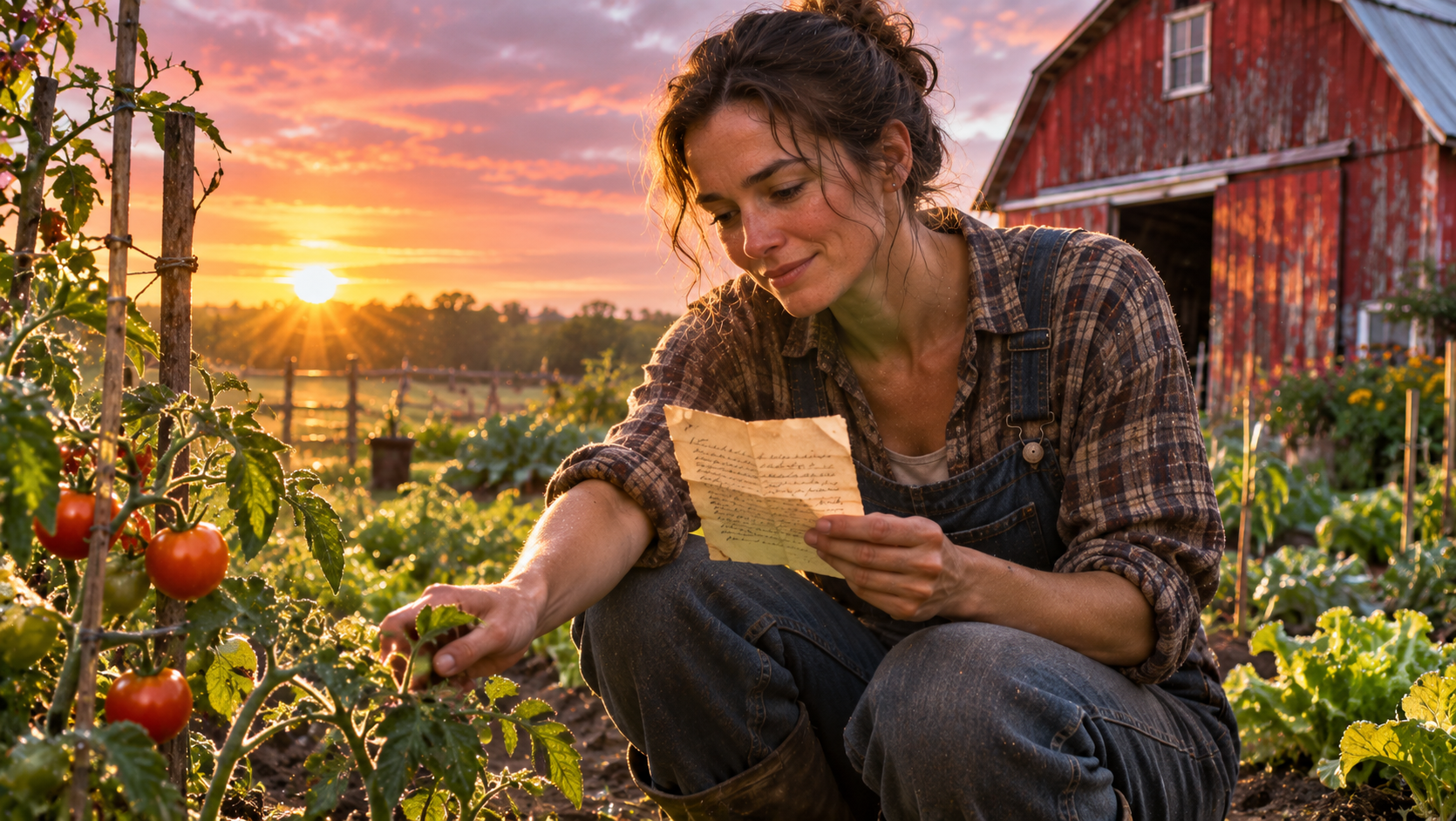
I moved back into the farmhouse last spring. The developer’s ‘For Sale’ sign is long gone, replaced by a vegetable garden I planted with my own hands. I found a letter from Dad tucked into another book last month—a note he’d written to me the year before he died. “Lizzie,” it said, “I know your brother will cause trouble someday. He’s always been hungry for shortcuts. But you’re the one who understands that good things grow slow. The farm is yours. Take care of it.”
I read that letter every morning with my coffee. The farm isn’t just land. It’s a promise. And some promises are worth fighting for.
Sometimes the people who betray us teach us exactly who we are. Danny taught me that I’m not someone who backs down. And that’s a lesson worth more than any farm.
Recommended Stories
At My Wedding, My Mother Stood Up and Objected—Then She Handed Me a Photo of My Fiancé with My Cousin
My mother stood up at my wedding and objected—then handed me a photo of my fiancé with my cousin. What...
My Father’s ‘Junk’ Watch Was Appraised at $50,000—But the Engraving Inside Revealed It Belonged to a Famous Gangster
A tarnished pocket watch hidden in a dead father's drawer turns out to be a stolen mob heirloom worth $50,000—and...
My Husband’s ‘Business Trips’ Always Coincided with My Sister’s ‘Girls’ Weekends’—So I Hired a Private Investigator, and What He Found Destroyed Two Families
His 'business trips' always matched her 'girls' weekends.' I hired a PI. What he found wasn't just an affair—it was...