My Father’s ‘Junk’ Watch Was Appraised at $50,000—But the Engraving Inside Revealed It Belonged to a Famous Gangster
The Watch That Didn’t Belong
My father, Vincent Moretti, was a man of few words and even fewer possessions. When he passed away last spring, he left behind a cramped apartment in Newark, New Jersey, filled with the kind of clutter that made you wonder if he’d ever thrown anything away. Old newspapers, mismatched socks, and a drawer full of broken watches—that was his legacy. Or so I thought.
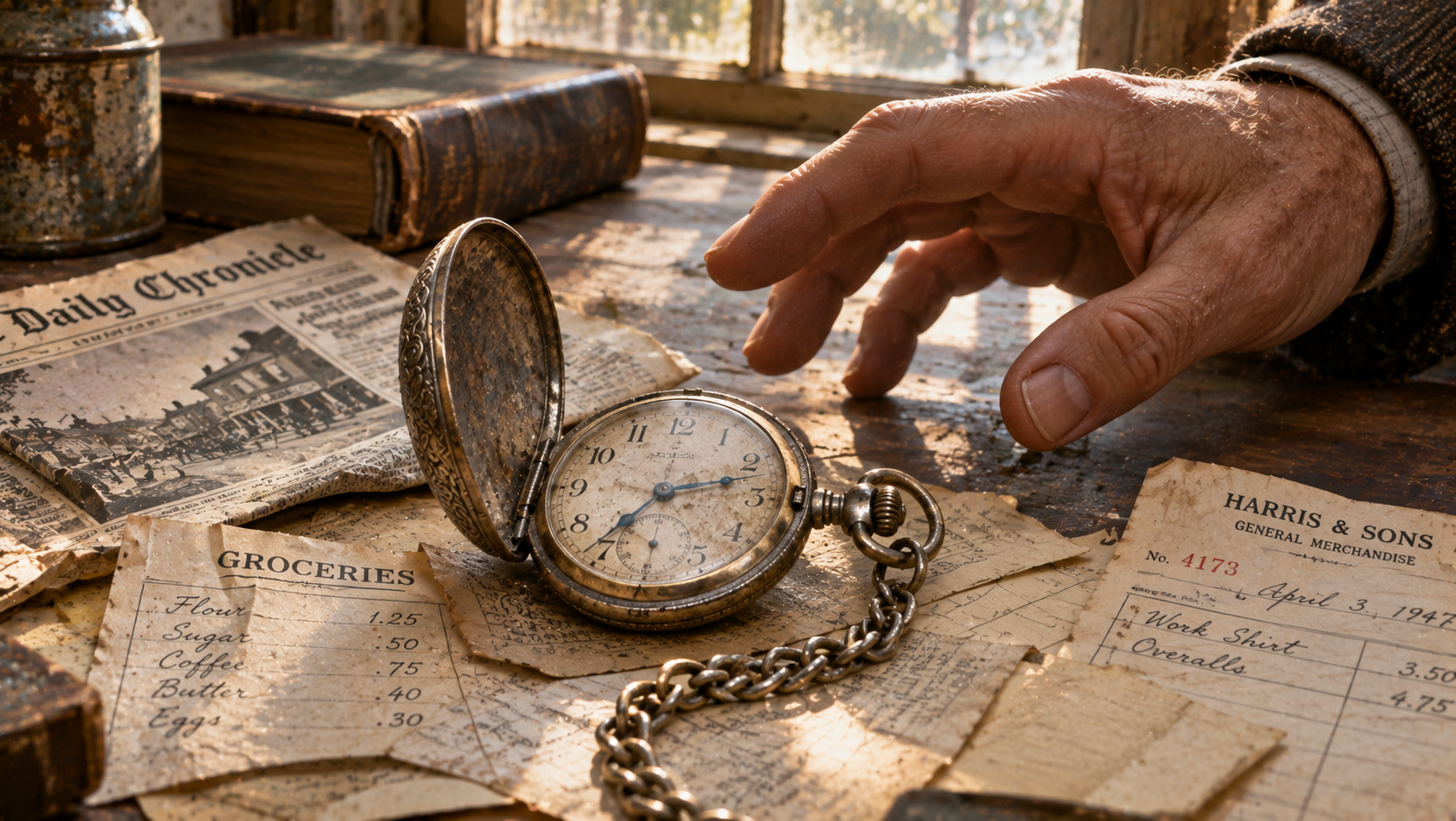
I was ready to donate the whole mess to Goodwill when my hand brushed against a tarnished pocket watch buried under a pile of receipts. It was heavy, the kind of weight that felt deliberate. The face was scratched, the chain rusted, but something about it made me pause. I slipped it into my pocket, thinking I’d get it cleaned up as a keepsake. I had no idea that piece of ‘junk’ would unravel everything I thought I knew about my father.
The Appraisal That Changed Everything
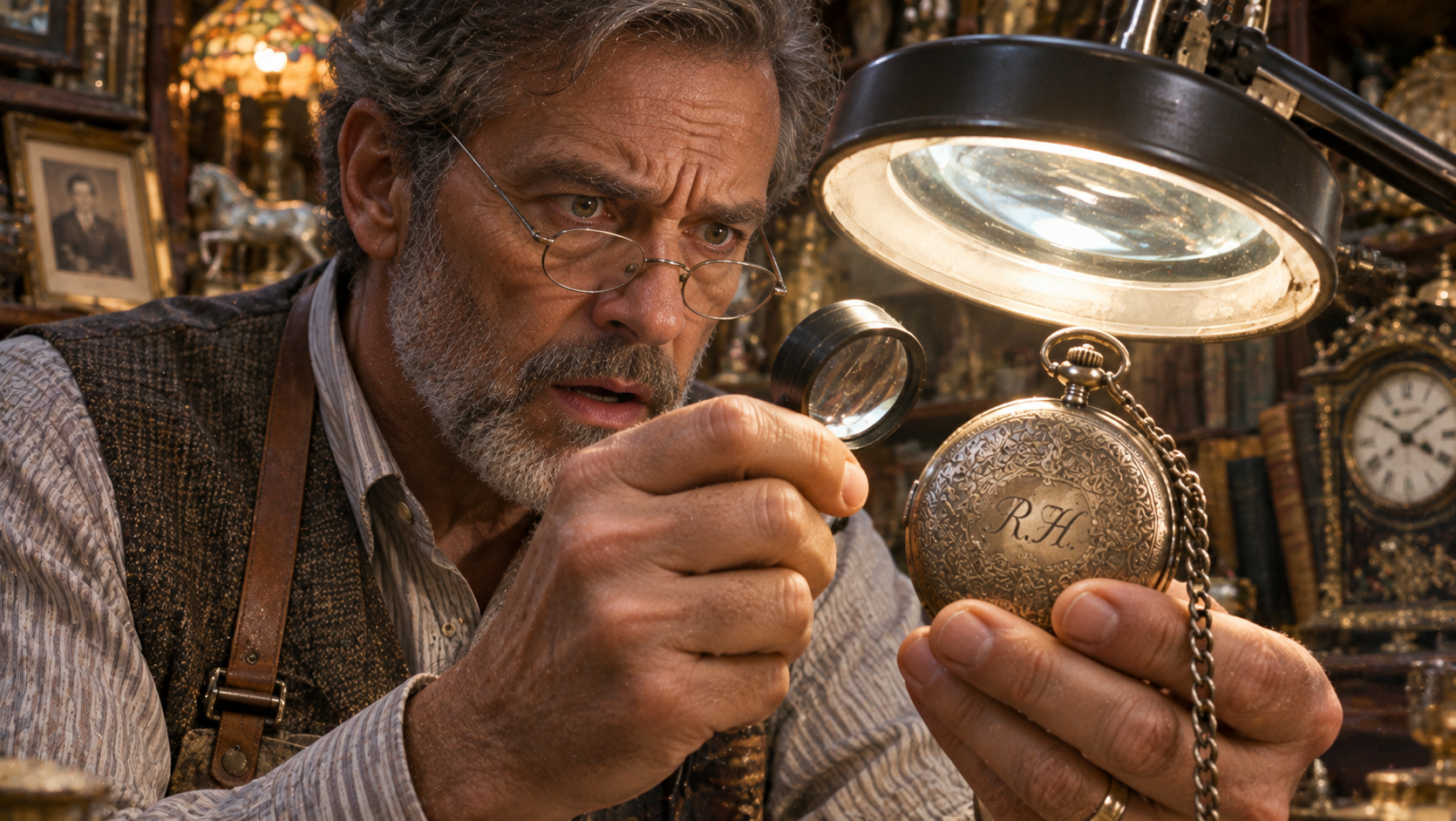
A week later, I took the watch to a reputable antique dealer in Manhattan. The appraiser, a silver-haired man named Mr. Feldman, examined it under a loupe for what felt like an eternity. When he finally looked up, his face was pale. ‘Where did you get this?’ he asked, his voice barely above a whisper.
I told him it was my father’s. He nodded slowly, then turned the watch over and pointed to a tiny engraving inside the back cover: To Lucky, from Al. My blood ran cold. ‘Lucky’ was Charles ‘Lucky’ Luciano, the notorious mob boss. And ‘Al’ was Al Capone. Feldman explained that the watch was a rare 1920s Patek Philippe, custom-made for Luciano, and its provenance made it worth at least $50,000—maybe more at auction. But there was a catch: it was stolen. The watch had been reported missing from Luciano’s estate in 1936, and its ownership was legally murky.
The Secret Life of a Quiet Man
I drove home in a daze. My father—a retired janitor who never made more than $30,000 a year—had been a small-time criminal? The idea seemed absurd. But as I dug through his belongings, I found a shoebox of old photographs and letters. There was a picture of him as a young man, standing next to a sleek car, wearing a suit that cost more than our rent. A letter from 1962, written in shaky handwriting, mentioned a ‘job’ and a ‘watch that would set us for life.’
I confronted my mother, who had divorced him decades ago. She sighed and told me the truth: Dad had run with a crew in the 1960s, small-time heists and burglaries. The watch was his last score before he went straight. He’d kept it hidden, never daring to sell it, terrified of the consequences. ‘He always said it was cursed,’ she said. ‘He wanted to return it, but he was too scared.’
The Decision That Haunted Me
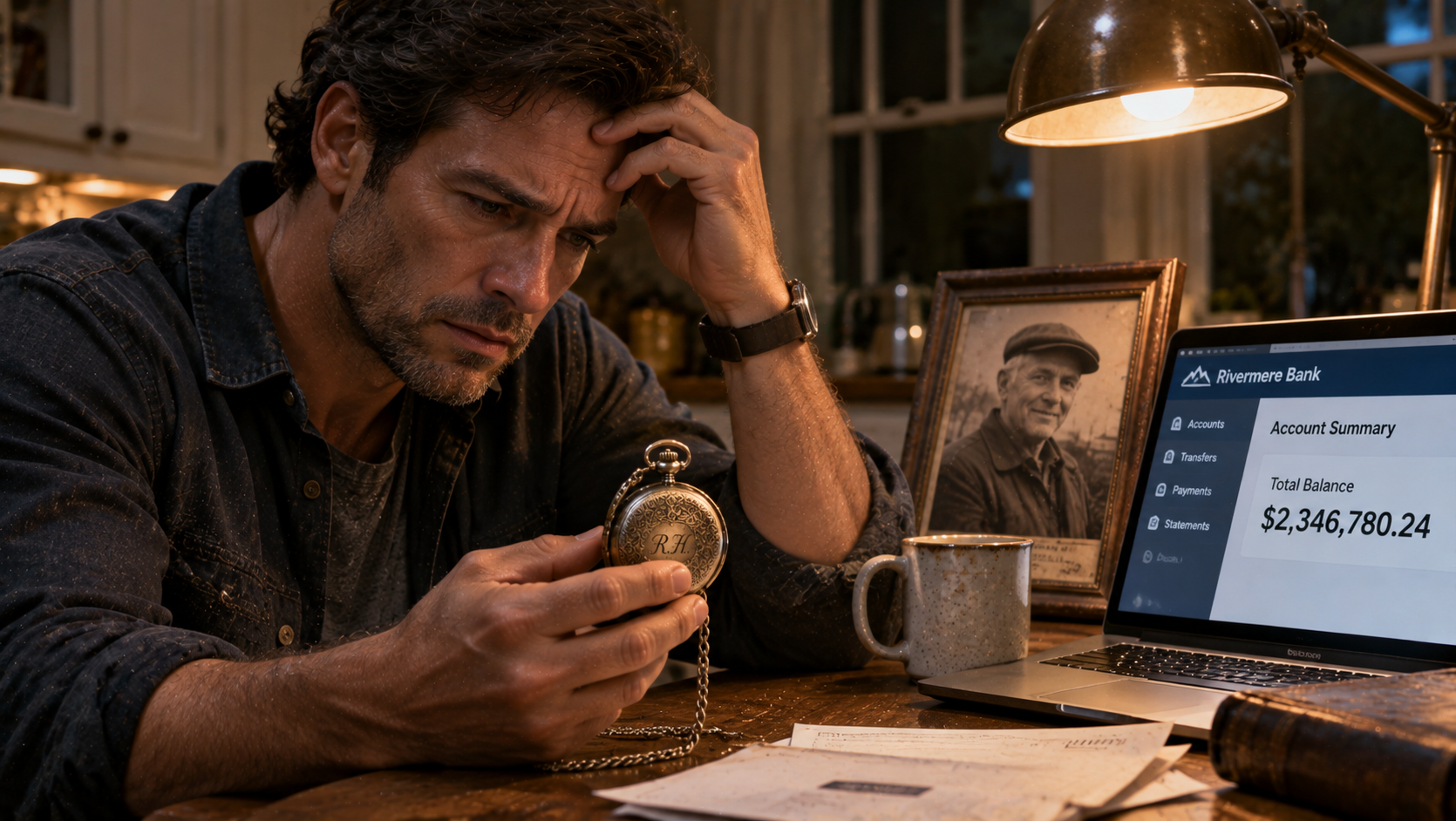
Now I was stuck. I could sell the watch to a private collector, no questions asked, and walk away with enough money to pay off my mortgage and then some. Or I could do what my father never could: return it to the Luciano family. But the Lucianos were no longer the mobsters of legend; they were legitimate businessmen, and approaching them with a stolen heirloom felt like walking into a lion’s den.
I spent sleepless nights weighing my options. The money would change my life. But every time I looked at the watch, I heard my father’s voice: ‘It’s cursed.’ Maybe he meant the guilt. Maybe he meant the fear. Either way, I knew I couldn’t keep it.
The Meeting That Brought Closure
I tracked down Luciano’s great-granddaughter, a woman named Elena, through a historical society. She agreed to meet me at a quiet café in Brooklyn. When I handed her the watch, her eyes filled with tears. ‘My grandfather always talked about this,’ she said. ‘He said it was stolen by a young man who he forgave. He never reported it because he understood desperation.’
She offered me a reward, but I declined. Instead, she asked if I would accept a small token: a photograph of Luciano wearing the watch, with a note on the back that read, ‘To the boy who returned it.’ I framed it and hung it in my living room. The watch is now in a museum, where it belongs. And my father’s secret? It’s no longer a burden. It’s a reminder that even the quietest lives can hide the wildest stories.
What the Watch Taught Me
I never saw a dime from that watch, but I gained something far more valuable: an understanding of my father. He wasn’t a saint, but he wasn’t a villain either. He was a man who made a mistake and spent the rest of his life trying to outrun it. In returning the watch, I didn’t just right his wrong—I finally let him rest.
Sometimes, the most valuable things aren’t the ones we can sell. They’re the ones that force us to confront who we really are. And if you ever find yourself holding a piece of the past, ask yourself: what would you do with a second chance?
Recommended Stories
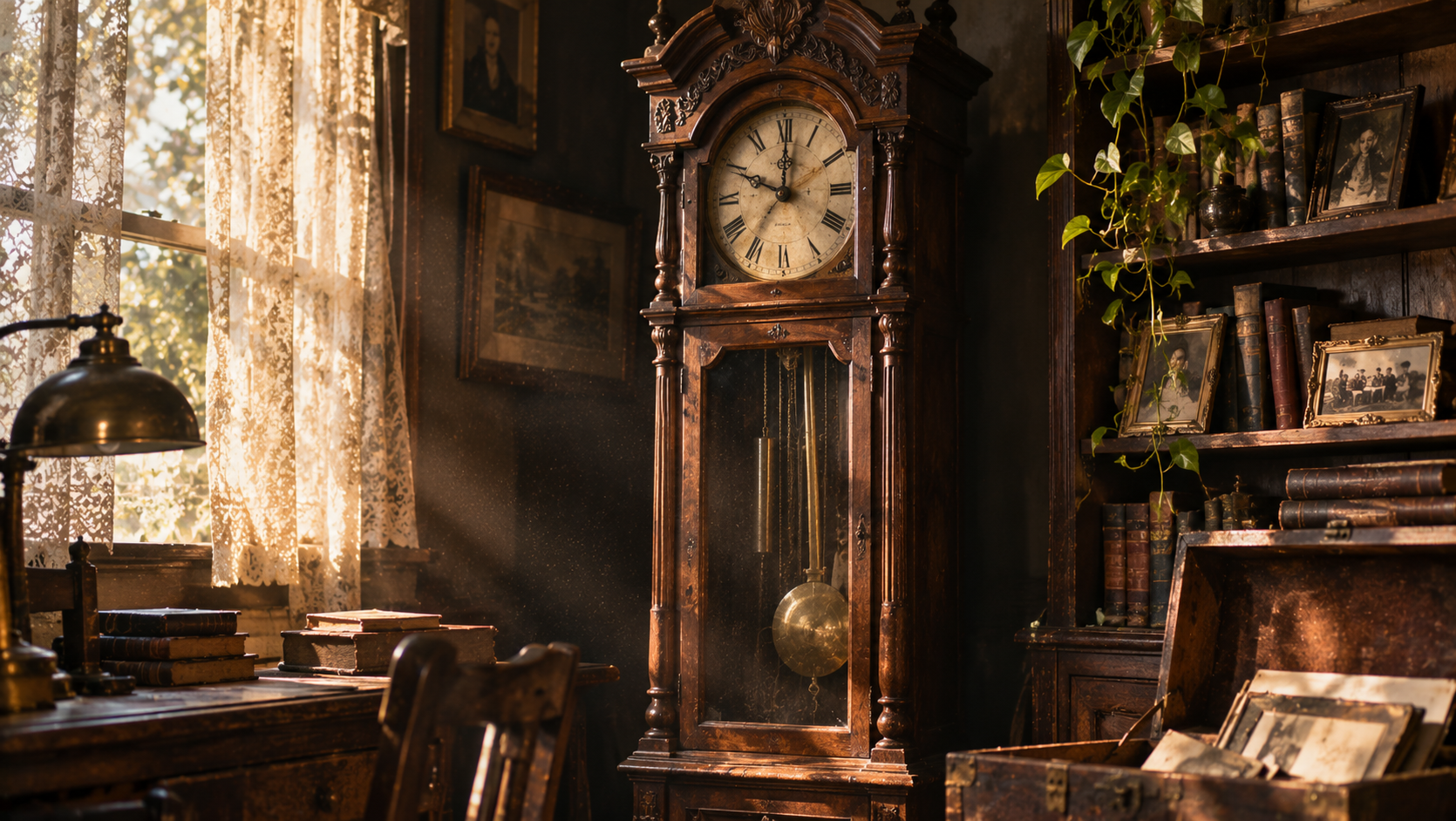
My Father Left Me a ‘Cursed’ Antique Clock—When I Finally Had It Appraised, the Appraiser Recognized It from a 50-Year-Old Theft
My father left me a 'cursed' antique clock. When an appraiser recognized it from a 50-year-old theft, I uncovered a...
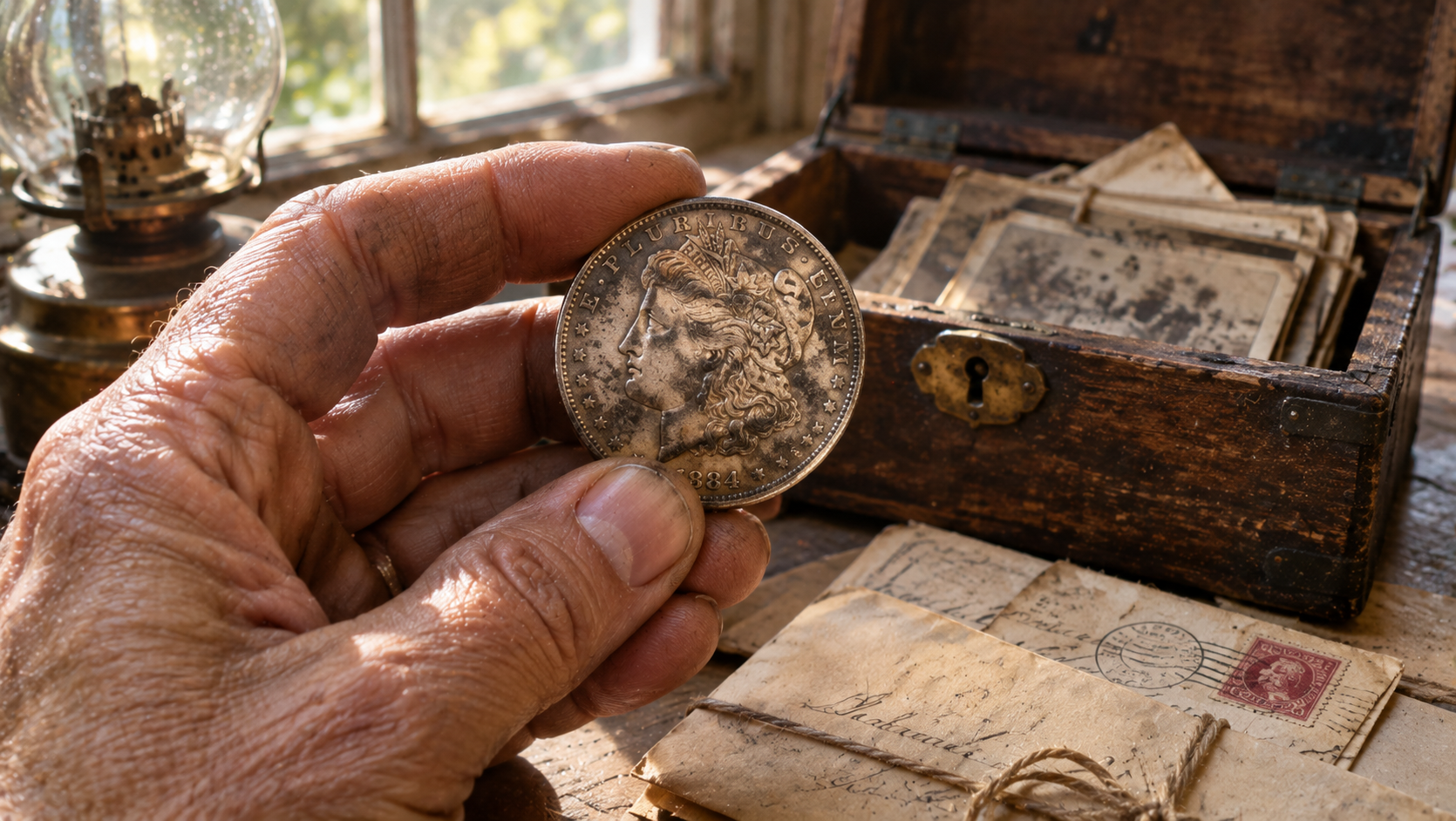
My Father Left Me a ‘Worthless’ Coin Collection—Then a Numismatist Offered Me $500,000 and Asked Where I Got It
My father left me a box of 'worthless' coins. A numismatist offered $500,000—then asked where I got them. The answer...