I Found a Locked Diary in My Late Father’s Attic—It Revealed He Had Been Paying My Mother’s Medical Bills in Secret, and the Money Came from a Shocking Source
The Day I Broke Into My Father’s Attic
My father, Walter, died on a gray Tuesday in March, leaving behind a farmhouse in rural Vermont that smelled of pipe smoke and old secrets. I was forty-two, a high school history teacher, and I hadn’t spoken to him in three years—not since he’d called my mother’s cancer treatments ‘a waste of good money.’ I stood in his attic, surrounded by dust and boxes, when I found it: a small, leather-bound diary locked with a brass clasp. The key was taped beneath his old roll-top desk. I almost didn’t open it.
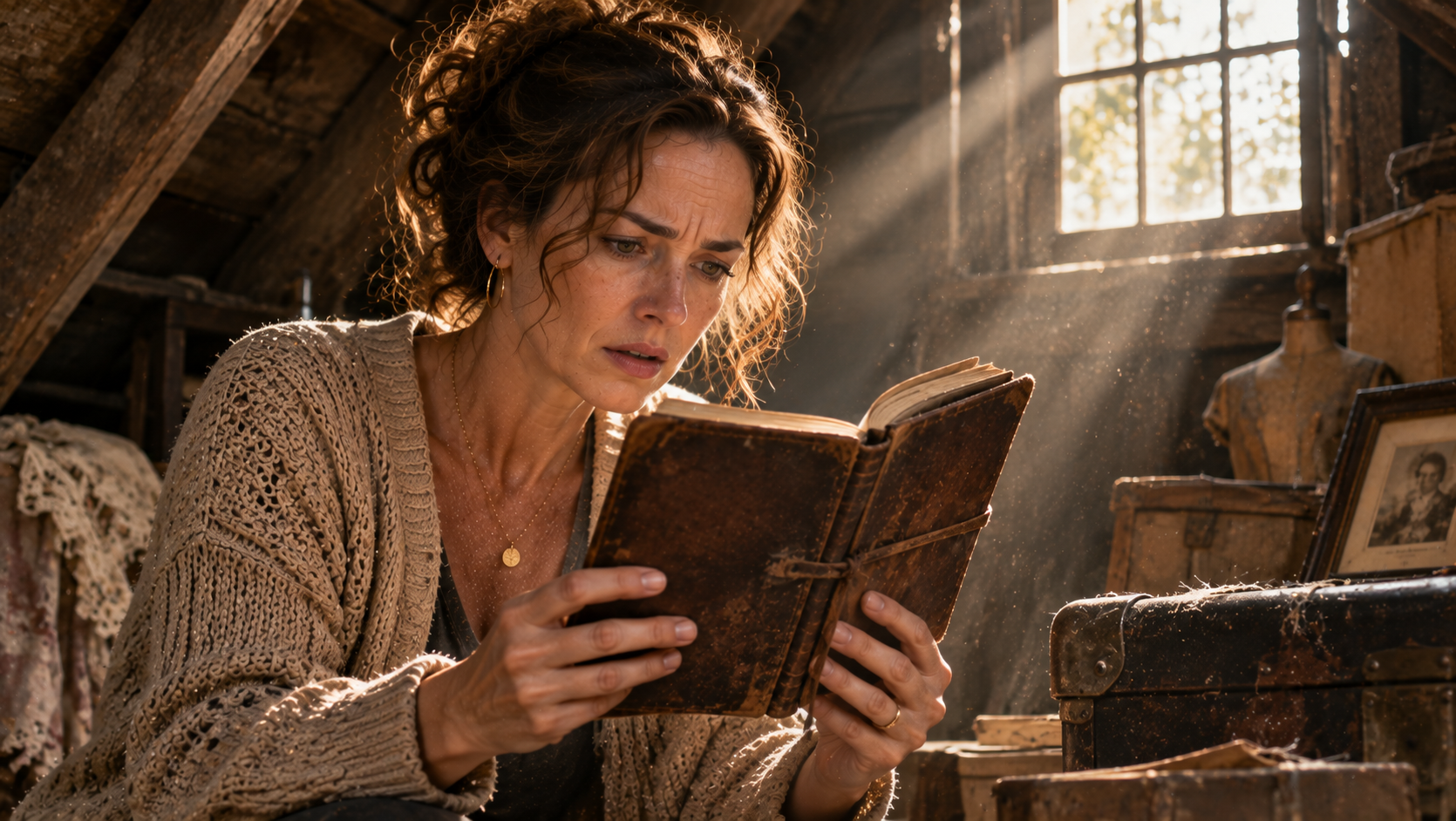
What I read over the next two hours would shatter every memory I had of the man who refused to pay for my mother’s care. The diary began in 2015, the year my mother, Elaine, was diagnosed with stage-three breast cancer. I had just started my teaching job and was drowning in student loans. My father, a retired mechanic, had always been tight-fisted, but I never imagined the depth of his cruelty—or his sacrifice.
The Secret Ledger
The diary was not a journal of feelings. It was a ledger. Every page listed dates, amounts, and a single word: ‘Elaine.’ Walter had been paying my mother’s medical bills in secret, thousands of dollars every month. But where did the money come from? His pension was modest, and he’d always claimed to be broke. I turned the page to a entry from June 2015: ‘Sold the ’67 Corvette today. Got $45,000. Enough for two more rounds of chemo.’ My father had owned that Corvette since before I was born. It was his pride and joy—the only thing he ever truly loved, I thought. He sold it without a word to anyone, and I never noticed it was gone because I was too busy being angry at him for not helping.
But that was just the beginning. The diary revealed that Walter had taken a night job as a janitor at a local office building, working from 10 p.m. to 6 a.m., five nights a week. He was seventy years old. The entries were sparse but telling: ‘Tired. But Elaine needs the money.’ ‘Boss docked my pay for being late. Had to borrow from Pete.’ Pete was his brother, my uncle, who had died two years ago. I had no idea they were even speaking.

The Confrontation That Never Happened
I sat on the attic floor, tears streaming down my face, remembering the last time I saw my father. It was Christmas Eve, three years ago. I had driven up from Boston to confront him about the unpaid hospital bills that were threatening to take my mother’s house. He sat in his recliner, silent, as I screamed at him. ‘You have the money, Dad! I know you do! Why won’t you help her?’ He just stared at the TV and said, ‘I can’t.’ I stormed out and never went back. My mother died six months later, believing her husband had abandoned her. I believed it too. Now I knew the truth: he couldn’t help her openly because he was helping her secretly, and he couldn’t tell me because he was ashamed. Ashamed that he had to sell his car, work as a janitor, and borrow from his estranged brother to keep his wife alive. He didn’t want me to see him as a failure. So he let me see him as a villain instead.
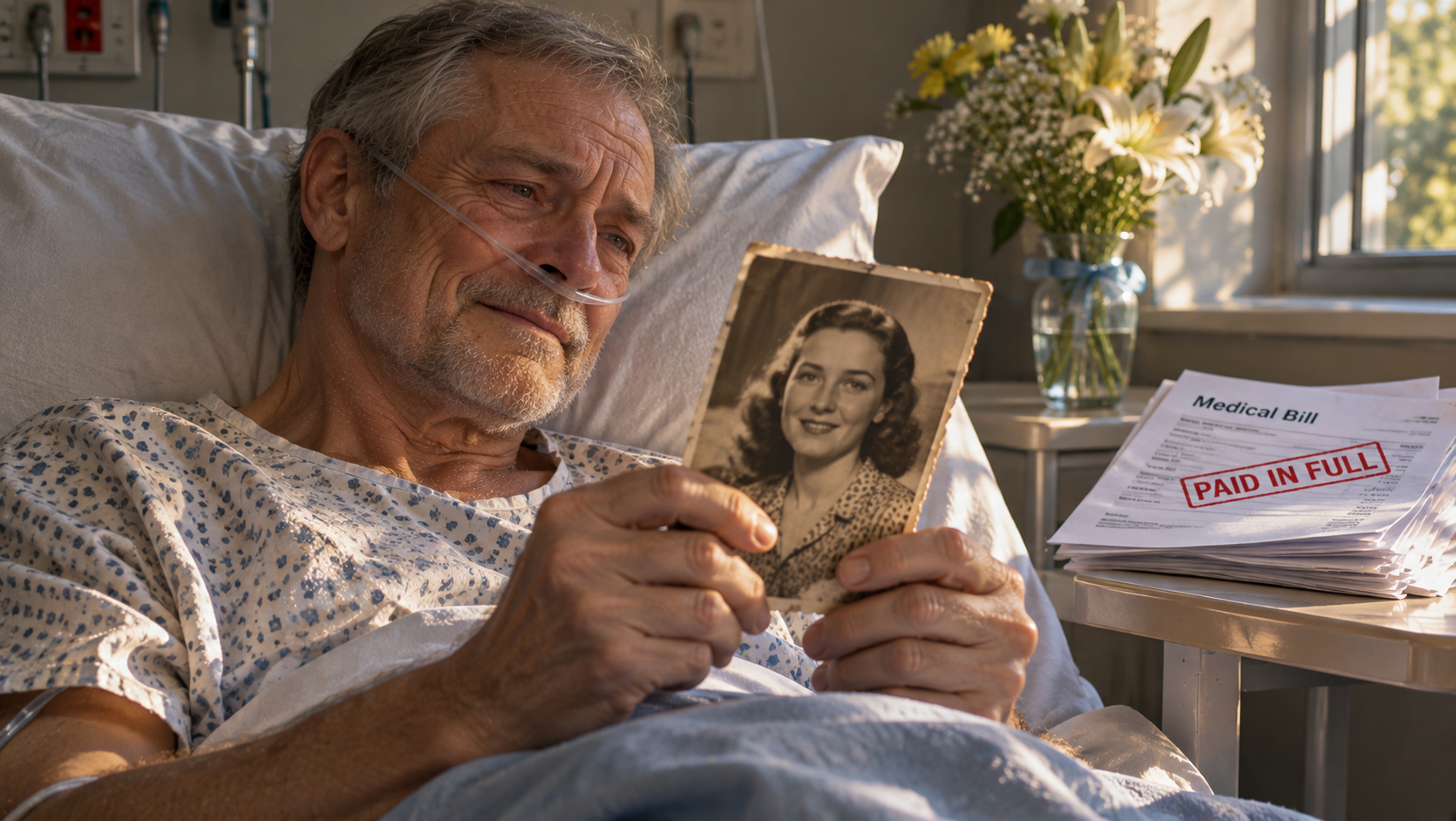
The diary’s final entry was dated two weeks before he died: ‘Elaine’s bills are paid off. I can rest now.’ He had been diagnosed with congestive heart failure a month earlier, but he told no one. He just kept working until he couldn’t. I found a stack of receipts from the oncology clinic, all marked ‘Paid in Full,’ and a letter from my uncle Pete, dated five years ago, forgiving Walter for a decade-old argument and offering to help. Walter had accepted the help but never told me.
What the Money Bought
I spent the next week going through the rest of the attic. I found a shoebox filled with letters from my mother to my father, written during her treatment. She knew. She knew he was paying, and she never told me. In one letter, she wrote, ‘Walter, I know you sold the car. I know about the night job. You are the best man I ever knew. But please, let me tell Sarah. She thinks you’ve abandoned us.’ His reply, in the diary, was simple: ‘No. Let her hate me. It’s easier than her knowing I couldn’t save her mother.’ He was wrong. But I understood.
I tracked down the man who bought the Corvette. He was a collector in New Hampshire, and he still had the car. I told him the story. He sold it back to me for what he paid—$45,000—and I’m still paying it off. I keep it in my garage, and every time I look at it, I see my father’s hands on the steering wheel, his face lit up with joy. I see the man who loved my mother so fiercely that he gave up everything to keep her alive, and then gave up his reputation to keep her from knowing the cost.
The Truth That Sets Us Free
I never got to apologize to my father. But I did get to tell my children the truth about their grandfather. I told them about the secret ledger, the night job, the sold car. I told them that sometimes love looks like silence, and sacrifice looks like cruelty. And I told them that the most important thing I learned from my father’s diary is that you should never assume you know the whole story.
Now, when I visit my parents’ grave, I bring two flowers: one for my mother, and one for my father. And I sit between them and tell them both that I understand. That I forgive. That I love them. The diary sits on my nightstand, a reminder that the people we judge the harshest are often the ones carrying the heaviest burdens. And sometimes, the only way to find the truth is to break into the attic and open the locked box.
Recommended Stories
At My Wedding, My Father Objected—Then He Handed Me a Photograph That Proved He Was Right
A bride's world shatters when her father objects at the altar—not out of malice, but because he holds a photograph...
My Mother-in-Law Gave Me a ‘Fake’ Antique Brooch for My Wedding—20 Years Later, a Museum Curator Called and Said It Was a Stolen National Treasure
She called it 'fake' at my wedding. Twenty years later, a museum curator called it a stolen national treasure—and revealed...
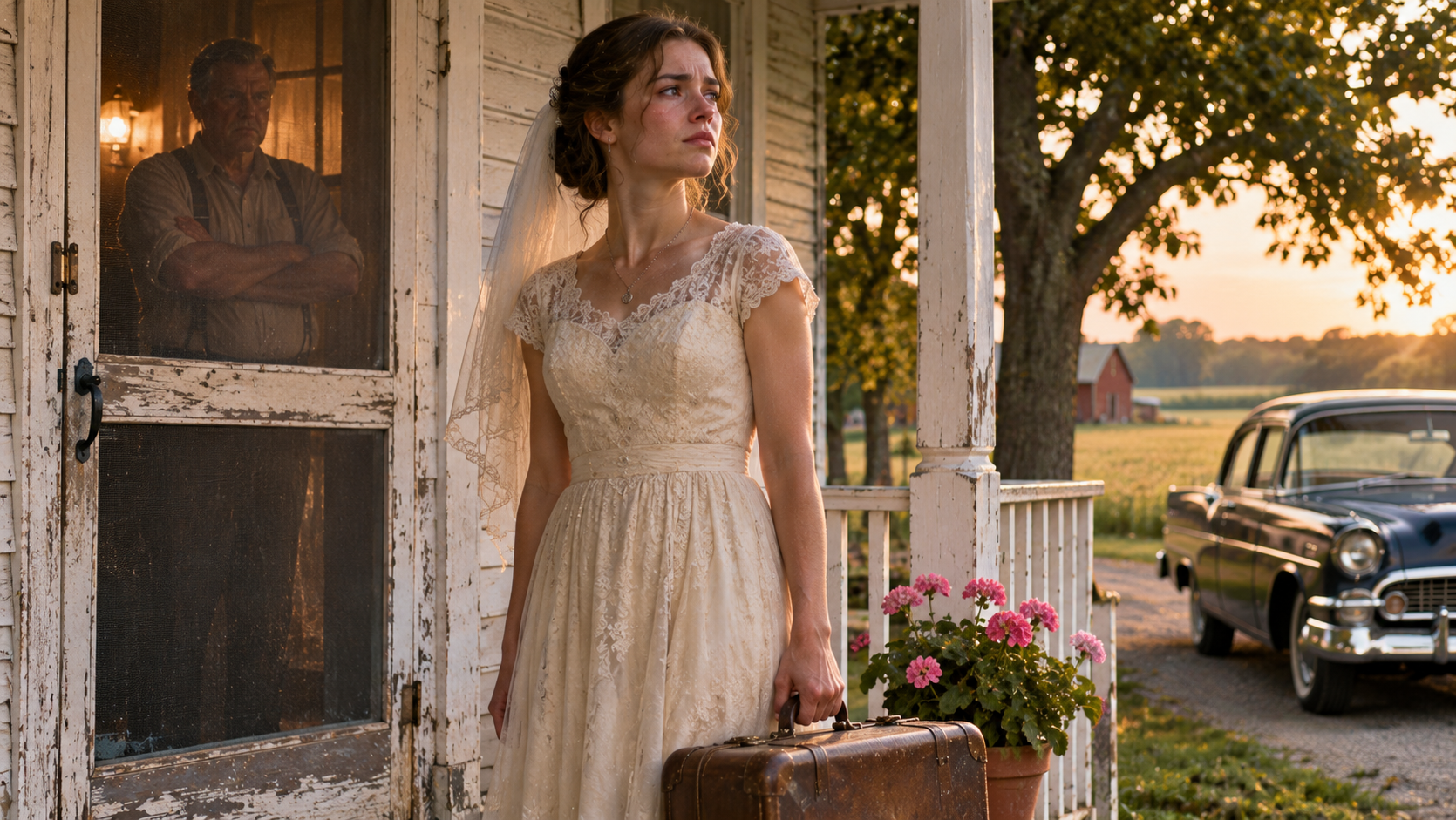
My Father Disowned Me at 18 for Marrying Outside Our Faith—20 Years Later, His Will Named Me Sole Heir, and My Siblings Are Furious
Disowned at 18 for marrying outside our faith, I never expected to inherit a dime. But my father's will named...