My Sister Asked Me to Be Her Surrogate—Then She Tried to Take the Baby and Claim I Was Unfit. But She Didn’t Know About the Contract Clause
The Phone Call That Changed Everything
I was thirty-two, working as a pediatric nurse in Portland, Oregon, when my older sister, Camille, called me in tears. She and her husband, Derek, had been trying for a baby for six years. After three failed IVF rounds and a miscarriage that nearly broke her, Camille asked me the question I never expected: “Would you carry our baby?”
I said yes before she finished the sentence. I loved Camille. I’d watched her heartbreak up close, and I had two healthy kids of my own. If I could give her the family she desperately wanted, how could I refuse?

What I didn’t know then was that Camille had already drafted a legal agreement—one that would later become my only weapon.
The Contract Nobody Read Carefully
We met with a reproductive attorney in Vancouver, Washington, two weeks later. Camille and Derek paid for everything. The contract was thick, full of medical jargon and liability waivers. I skimmed it, trusting my sister. But one clause caught my eye: “In the event of a dispute regarding custody or parental fitness, the intended parents agree to binding mediation, and the gestational carrier retains the right to present evidence of any verbal promises or side agreements.”
I asked Camille about it. She waved her hand. “Standard stuff. Don’t worry.”
I signed. I shouldn’t have, but I did.
The embryo transfer worked on the first try. Nine months later, I gave birth to a healthy baby girl. Camille and Derek named her Lily. I handed her over in the hospital room, my heart aching but full of love for my sister. That should have been the end.
The Betrayal Begins
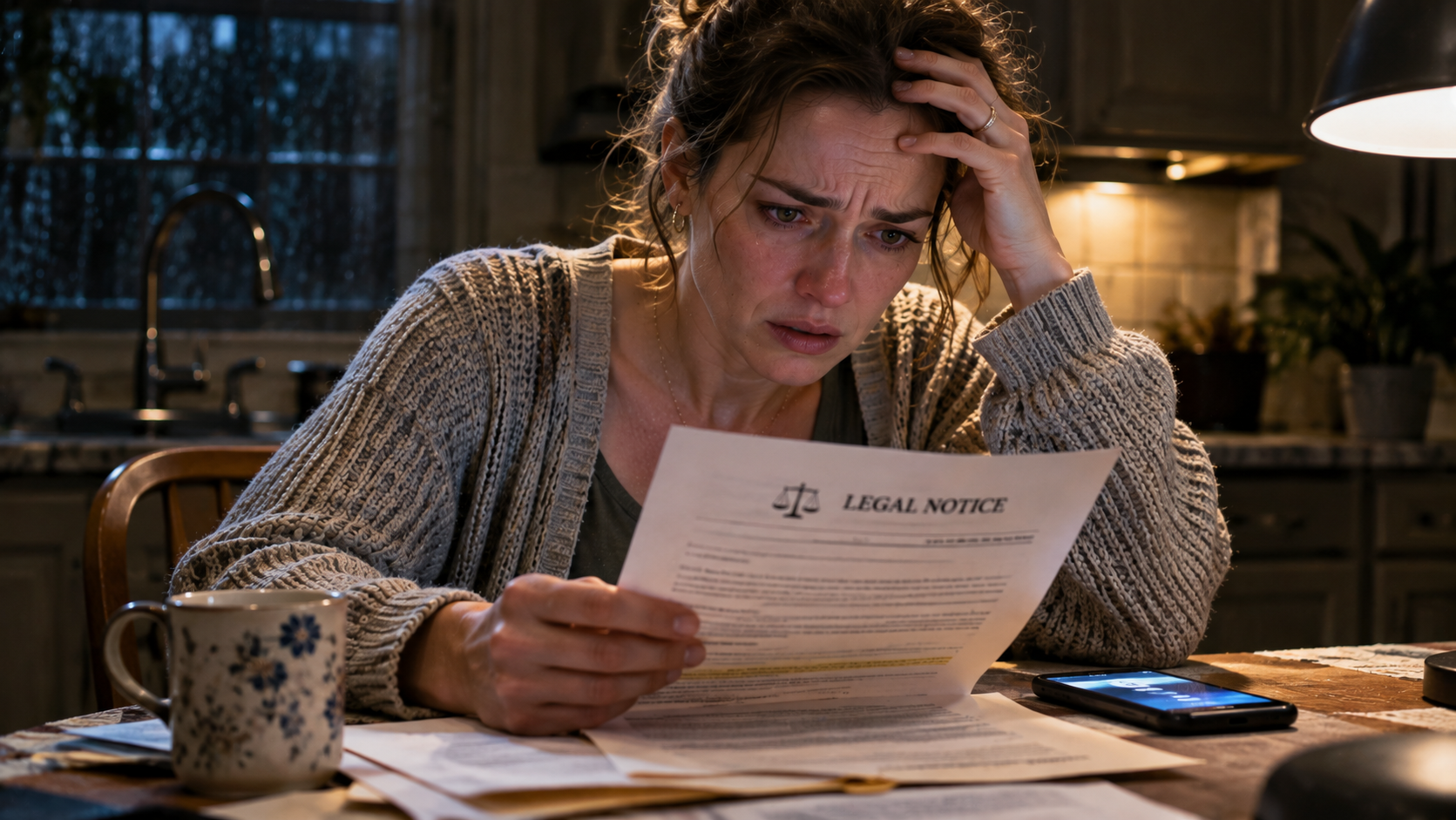
Three months later, Camille stopped answering my calls. Then I got a letter from her attorney: she was filing for sole custody and claiming I was “emotionally unstable” and “unfit to have any contact with the child.” She cited my past—a bout of postpartum depression after my second child, which I’d sought treatment for. She twisted it into a narrative of mental illness.
I was devastated. But then I remembered the clause. And I remembered something else: a voicemail Camille left me during the pregnancy, thanking me and saying, “You’re the only person I trust with my daughter. I promise you’ll always be in her life.”
I had saved that voicemail.
The Mediation Showdown
We met in a conference room in downtown Portland. Camille’s attorney argued that my depression made me a risk. My attorney, a sharp woman named Priya, played the voicemail. Camille’s face went pale. Then Priya produced text messages—dozens of them—where Camille begged me to keep the pregnancy secret from Derek’s family, promising me “anything I wanted” if I did. She’d even offered to pay my mortgage for a year.
The mediator turned to Camille. “Did you make these promises?”
Camille stammered. “That’s not—she’s twisting it—”
But the clause was clear: verbal promises counted. And Camille had made plenty.
The Clause That Saved Me
The mediator ruled in my favor. Camille and Derek were granted custody, but I was awarded legally enforceable visitation rights—one weekend a month and two weeks in the summer. More importantly, the court ordered Camille to pay my legal fees, which totaled $18,000.
Camille was furious. She called me that night, screaming. “You did this to punish me!”
“No,” I said quietly. “You did this when you tried to erase me.”
She hung up.
That was two years ago. Lily is three now. She knows me as “Auntie Mama,” a name she invented herself. Camille and I are civil, not close. But every time Lily runs into my arms, I think about that clause—the one I almost didn’t read. Trust is a beautiful thing. But a signature is forever.

What I Learned About Family
I used to believe family meant unconditional trust. Now I know it means something harder: showing up, even when it costs you. I didn’t sue my sister for custody. I didn’t try to take Lily away. I just wanted to be in her life—and I fought for that with evidence, not anger.
The voicemail is still on my phone. I listen to it sometimes, not for the pain, but for the reminder: people will show you who they are. Believe them the first time. And always, always read the fine print.
Recommended Stories

My Brother Secretly Recorded Our Family Arguments for Years—Then He Played Them at Thanksgiving to ‘Prove’ I Was the Toxic One
He played years of secret recordings at Thanksgiving to prove I was toxic. Then a single clip exposed his own...
My Brother Asked Me to Be His Best Man—Then His Fiancée Found My Name on a ‘Secret’ List in His Phone and Called Off the Wedding
My brother asked me to be his best man. Then his fiancée found a secret list on his phone—with my...

At My Brother’s Wedding, His Best Man Announced He Was Actually Our Half-Brother—Then My Father Collapsed, and the Family Secret Unraveled
A wedding toast turns into a bombshell when the best man reveals he's the groom's half-brother—and the rightful heir to...