My Sister Stole My Identity to Get a Passport and Flee the Country—Then I Discovered She’d Been Posing as Me for Years and Had a Whole Other Life
The Call That Shattered My Ordinary Tuesday
I was standing in my kitchen in Boise, Idaho, stirring a pot of chili, when my phone buzzed with a number I didn’t recognize. The caller ID said “U.S. Department of State.” I almost let it go to voicemail—who has time for government spam?—but something made me swipe answer.
“Am I speaking with Danielle Reeves?” a woman’s voice asked, crisp and official.
“This is she.”
“Ms. Reeves, we’re calling about a passport application flagged in our system. It appears someone using your identity attempted to obtain an expedited passport three days ago. We need to verify some details with you directly.”
My grip tightened on the spoon. “That’s impossible. I haven’t applied for a passport. I’ve never even left the country.”
There was a pause—the kind that makes your stomach drop. “The application was submitted in person at our San Francisco office. The photograph and signature match your existing records. But the birth certificate and social security number provided were flagged as inconsistent with your file.”
I set the spoon down. My hands were shaking. “Who would do that?”
“The applicant listed her name as Danielle Reeves. But we’ve since confirmed the documents were altered. We believe the person may be your sister, Melissa Reeves.”
Melissa. My little sister. The one who’d been living with our parents in Sacramento for the past two years, “getting back on her feet” after a string of dead-end jobs and bad relationships. The one I’d sent money to every month, even when my own bills were piling up. The one I’d defended to our mother when she called Melissa “a lost cause.”

“There’s more,” the agent continued. “We ran a broader check. Your sister has been using your identity for at least four years—credit cards, a lease agreement in Portland, even a marriage license in Nevada. We need you to come in and file a formal report.”
Four years. Four years of me thinking my sister was just irresponsible. Four years of me being the “stable” one, the one who paid for her car repairs, her phone bills, her emergency root canal. And the whole time, she was living a second life under my name.
The Sister I Thought I Knew
Melissa and I were never close. She was five years younger, the baby of the family, the one our parents coddled after Dad’s stroke left him unable to work. I moved out at eighteen, put myself through community college, and built a quiet life as a dental hygienist. Melissa stayed home, bounced between jobs, and always had a crisis that required rescuing.
When she called me last Christmas, sobbing about a landlord who was “unfairly evicting” her, I wired her $2,000 without hesitation. When she said she needed help with a “business loan” for a food truck she wanted to start, I co-signed. When she told me she was finally getting her life together, I believed her—because I wanted to.
But now, sitting in a sterile government office two weeks later, staring at a file folder thick with evidence, I realized I’d been the perfect mark. The sister who never asked questions. The sister who always said yes.
The Paper Trail of a Parallel Life
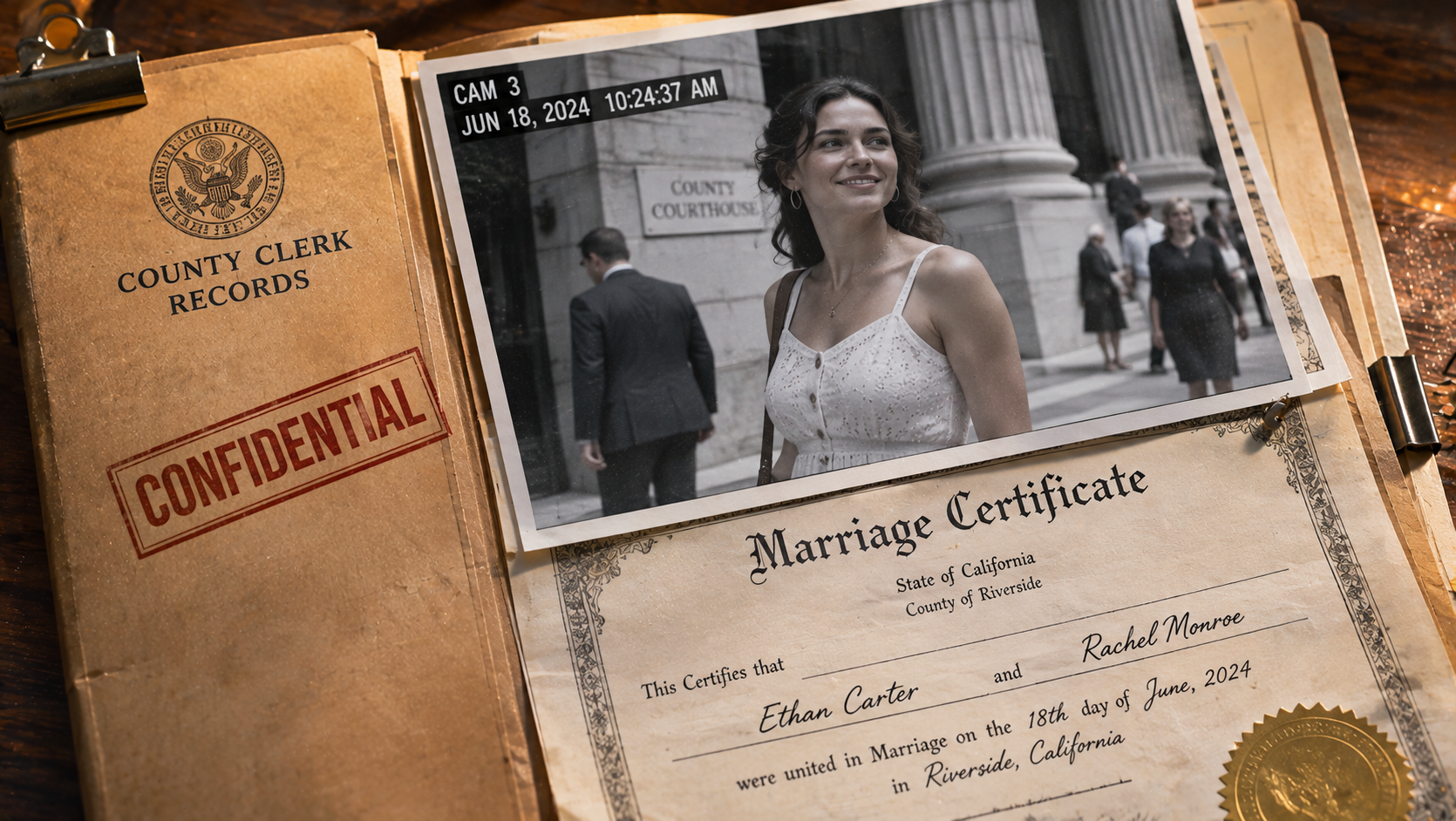
The State Department investigator, a no-nonsense woman named Karen, slid a stack of documents across the table. “We’ve been tracking this for a while,” she said. “Your sister opened a credit card in your name at a Portland REI in 2020. She leased an apartment in your name in Seattle. She even got a marriage license in Reno last spring—using your name and social security number.”
I stared at the photocopies. There was my name, my birthdate, my social security number—all printed on forms I’d never seen. “How did she get my information?”
Karen shrugged. “Family members usually have access. Old tax returns, mail, a wallet left unattended. We see this more than you’d think.”
But the worst was yet to come. Karen pulled out a photograph—a candid shot taken from a security camera at a Reno courthouse. There was Melissa, my sister, smiling beside a man I didn’t recognize. She was wearing a white sundress, holding a bouquet of daisies. And on her left hand was a wedding ring.
“That’s your sister, correct?” Karen asked.
I nodded, my throat tight. “Who’s the guy?”
“His name is Trevor Haskins. He’s a contractor from Boise. We believe your sister met him online two years ago and moved to be closer to him—using your identity to secure housing and employment.”
Boise. My city. My sister had been living less than ten miles from me, married to a man I’d never met, working a job under my name—and I had no idea.
The Confrontation That Broke Us
I didn’t call ahead. I drove straight to the address Karen gave me—a small rental house on the outskirts of Boise, with a sagging porch and a child’s bicycle in the yard. A child’s bicycle.
Melissa answered the door in sweatpants and a stained T-shirt, her hair pulled back in a messy bun. When she saw me, her face went white. “Danielle. What are you—”
“You have a kid?” I asked, my voice flat.
She glanced behind her, then stepped onto the porch, pulling the door mostly shut. “It’s not what you think.”
“You stole my identity. You got married under my name. You’ve been living here, in my city, for two years. And you have a child.” My voice cracked. “How old?”
She looked at the ground. “Three.”
Three years old. I did the math. That meant she’d been pregnant when she called me from Sacramento, sobbing about a landlord. She’d been building this life while I was wiring her money to “get back on her feet.”
“Why?” I asked. “Why would you do this?”
Melissa’s eyes filled with tears—the same tears she’d used to manipulate me for years. “Because you were always the perfect one. The one who got out. The one who had it together. I just wanted a chance to be someone else.”
“So you became me.”
She didn’t deny it. “Trevor doesn’t know. He thinks my name is Danielle. He thinks I’m a dental hygienist. I told him I had a falling out with our family and didn’t want to talk about it.”
I felt sick. “And the passport?”
“Trevor got a job offer in Canada. I needed a passport to go with him. I thought—I thought if I could just get the passport, we could start over. For real this time.”
“Using my name.”
She nodded, tears streaming down her face. “I’m sorry. I’m so sorry.”
I wanted to scream. I wanted to hit her. Instead, I said the only thing I could think of: “You need to tell Trevor the truth. And you need to tell Mom and Dad. And then you need to turn yourself in.”
Melissa’s face crumpled. “I can’t. Trevor will leave me. Mom and Dad will disown me. I’ll lose everything.”
“You should have thought about that before you stole my life.”
The Fallout
Melissa didn’t turn herself in. Instead, she disappeared. Two days after our confrontation, she packed up her daughter and vanished—no forwarding address, no phone number, nothing. Trevor came home from work to an empty house and a note that said only, “I’m sorry. I can’t do this anymore.”
He called the police. They called me. And for the next three months, I found myself untangling the mess my sister had left behind.
The credit card debt was the easy part—I filed a police report, disputed the charges, and froze my credit. The lease on the Seattle apartment was trickier; the landlord wanted six months’ rent, and it took a lawyer to convince him that I wasn’t the woman who’d signed the paperwork. The marriage license was a nightmare; I had to prove to the state of Nevada that I wasn’t the Danielle Reeves who’d married Trevor Haskins, which meant submitting fingerprints, affidavits, and a notarized statement from my mother confirming that I’d never been to Reno.
Trevor, to his credit, was decent about it. He apologized—profusely—and offered to pay for the legal fees. “I had no idea,” he kept saying. “She told me she was estranged from her family. I never thought to question it.”
Their daughter, a little girl named Sophie, was placed in temporary custody with Trevor’s parents while the police searched for Melissa. I met her once, briefly, at a supervised visit. She had my sister’s eyes—and my mother’s stubborn chin.
“Aunt Danielle?” she asked, when Trevor introduced us.
“Hi, Sophie,” I said, kneeling down to her level. “I’ve heard a lot about you.”
She handed me a crumpled crayon drawing—a stick figure family with three people and a dog. “This is you,” she said, pointing to the tallest figure. “Mommy said you live far away and can’t visit.”
I swallowed hard. “I’m here now.”
Melissa was arrested two weeks later at a bus station in El Paso, trying to cross into Mexico with a fake ID—my ID, again, because she apparently hadn’t learned her lesson. She was charged with identity theft, fraud, and unlawful use of a passport. She pled guilty and was sentenced to eighteen months in federal prison, followed by three years of supervised release.
Our parents were devastated. My mother blamed me, at first—”You should have helped her, not turned her in”—but eventually, after seeing the stack of fraudulent documents, she came around. Dad didn’t say much. He just hugged me and said, “I’m sorry you had to go through that.”
What I Learned About the Sister I Thought I Knew
Six months after Melissa’s sentencing, I received a letter from her. It was three pages long, handwritten in pencil, and it began with the words I’d been waiting to hear for years: “I’m sorry.”
But the letter didn’t just apologize. It explained. Melissa wrote about growing up in my shadow, about feeling like the “broken” one, about the shame of watching me succeed while she kept failing. She wrote about her daughter, Sophie, and how she’d wanted to give her a better life—but didn’t know how. She wrote about Trevor, and how she’d convinced herself that if she could just be someone else, someone like me, everything would work out.
“I know that doesn’t excuse what I did,” she wrote. “But I want you to know that I never hated you. I envied you. I wanted to be you. And that’s the saddest part of all.”
I read the letter three times. Then I put it in a drawer and didn’t think about it for a long time.
Trevor and I stayed in touch. He moved back to Boise with Sophie, and we’d meet for coffee every few months. He was a good dad—patient, kind, and determined to give Sophie a stable life. When he asked if I’d be willing to be a part of Sophie’s life, I said yes. Not for Melissa. For Sophie. For the little girl who’d drawn me into a family picture before she even knew me.
Melissa was released from prison last spring. She’s living in a halfway house in Sacramento, working at a grocery store, and attending therapy twice a week. She’s not the same person she was—or maybe she is, and I’m just seeing her clearly for the first time.
I don’t know if I’ll ever forgive her. Some days I think I might. Other days, I remember the phone call from the State Department, the stack of fraudulent documents, the little girl with my sister’s eyes, and I feel the anger all over again.
But I’ve learned something through all of this. Identity isn’t just a name or a social security number. It’s the choices you make, the people you love, the life you build. Melissa tried to steal mine, but she couldn’t—because she wasn’t willing to do the work. She wanted the shortcut. She wanted to be someone else without becoming someone better.
I’m still Danielle Reeves. Dental hygienist. Sister. Aunt. And now, I’m also someone who knows that the people we love can hurt us in ways we never imagined—and that sometimes, the only way forward is to let them go.
But if you asked me whether I’d do it all again—the phone call, the police report, the courtroom, the letter—I’d say yes. Because the truth is always worth it. Even when it breaks your heart.
Recommended Stories
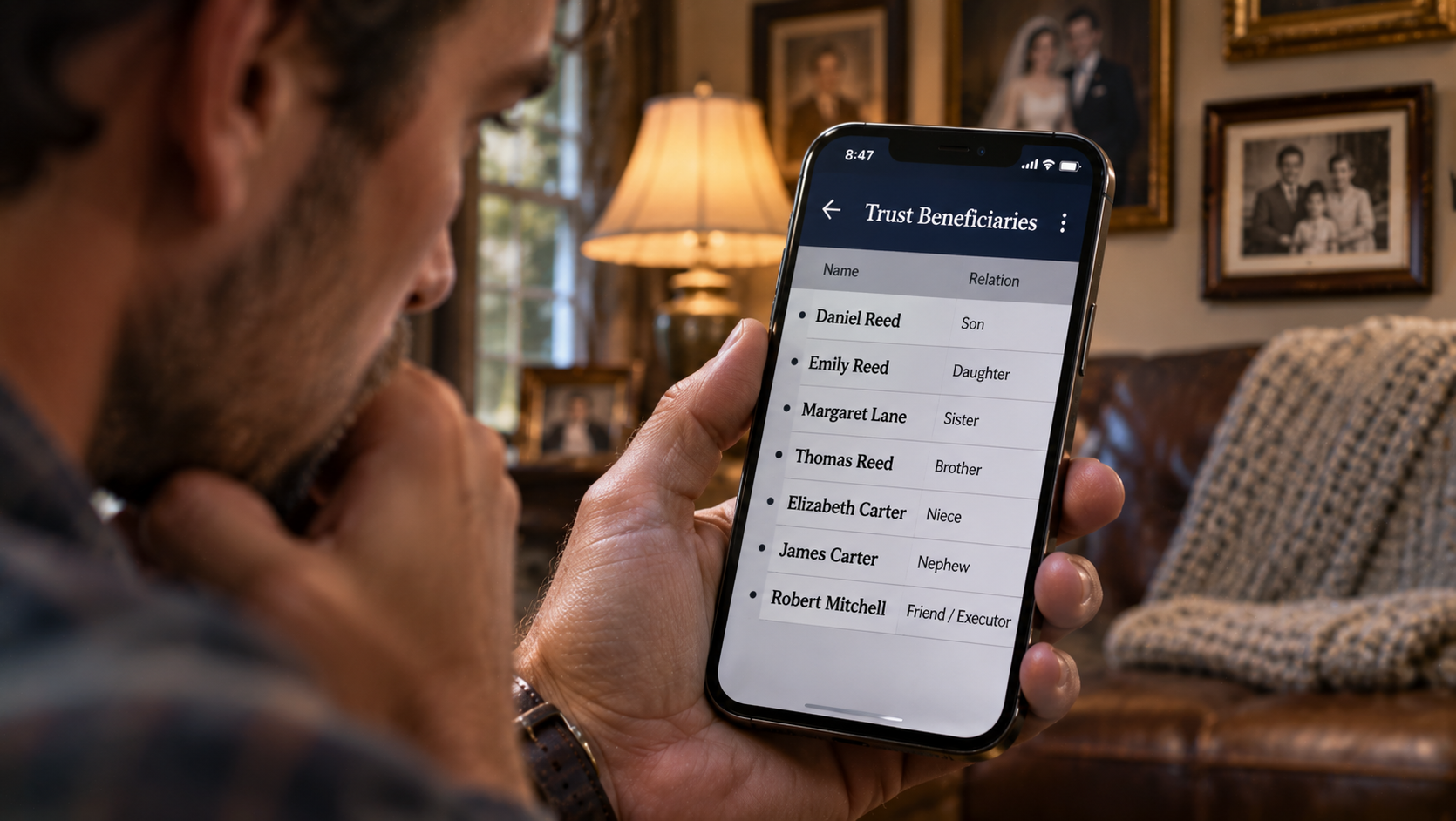
My Brother Asked Me to Be His Best Man—Then His Fiancée Found My Name on a ‘Secret’ List in His Phone and Called Off the Wedding
My brother asked me to be his best man. Then his fiancée found a secret list on his phone—with my...
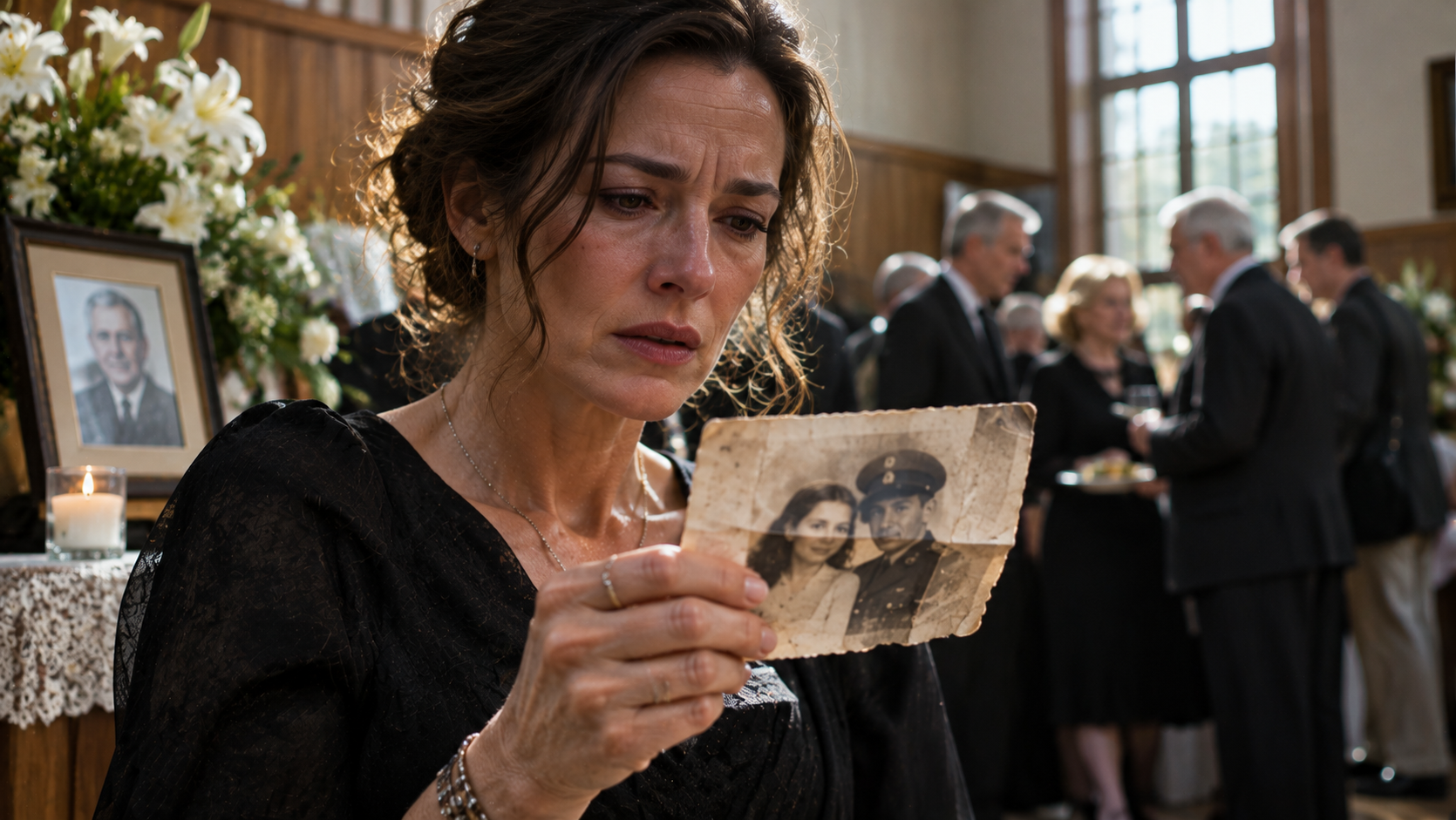
My Husband’s ‘Business Partner’ Was Actually His Secret Wife—I Discovered the Truth at His Funeral When She Handed Me a Photo of Their Three Kids
At my husband's funeral, a stranger handed me a photo of three kids with his smile. 'He was my husband...
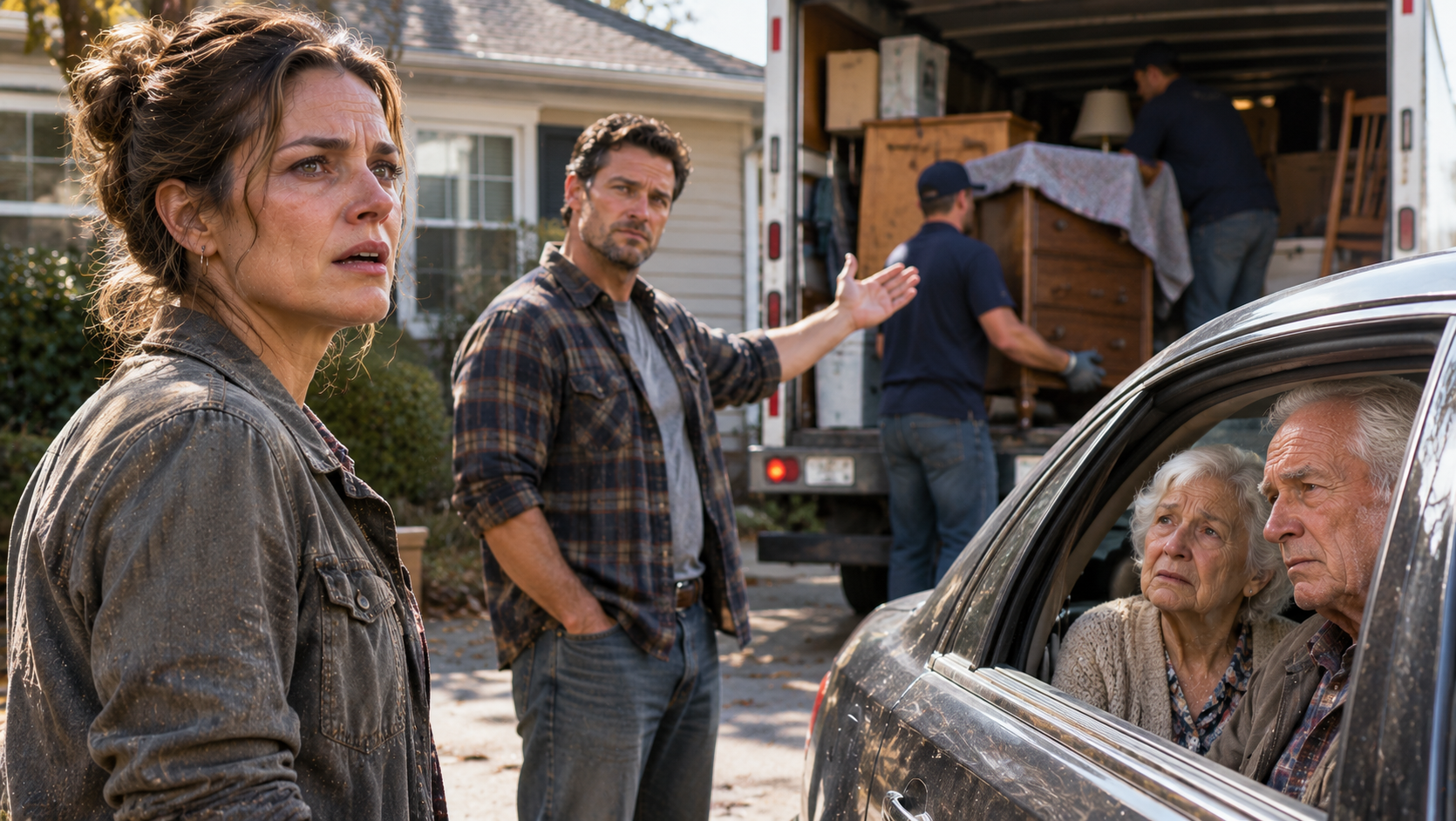
I Took Care of My Aging Parents for 10 Years—Then My Brother Sold Their House and Moved Them to a Cheap Facility Without Telling Me
For 10 years, I was the devoted caregiver. Then my brother sold our parents' house and moved them to a...