My Brother Stole My Identity to Take Out Loans—Then He Faked His Own Death and Left Me with the Debt and a Funeral to Plan
The Call That Changed Everything
I was at my desk in Denver, reviewing spreadsheets for a client’s quarterly audit, when my phone buzzed with a call from my mother. Her voice was raw, broken. ‘Danny’s dead,’ she sobbed. ‘There was an accident in Mexico. They found his car at the bottom of a ravine.’ I dropped my pen. My brother Danny—the charming screw-up, the one who always landed on his feet—was gone. Within hours, I was booking a flight to El Paso to help my parents identify the body and arrange a funeral. I didn’t know then that the nightmare had just begun.
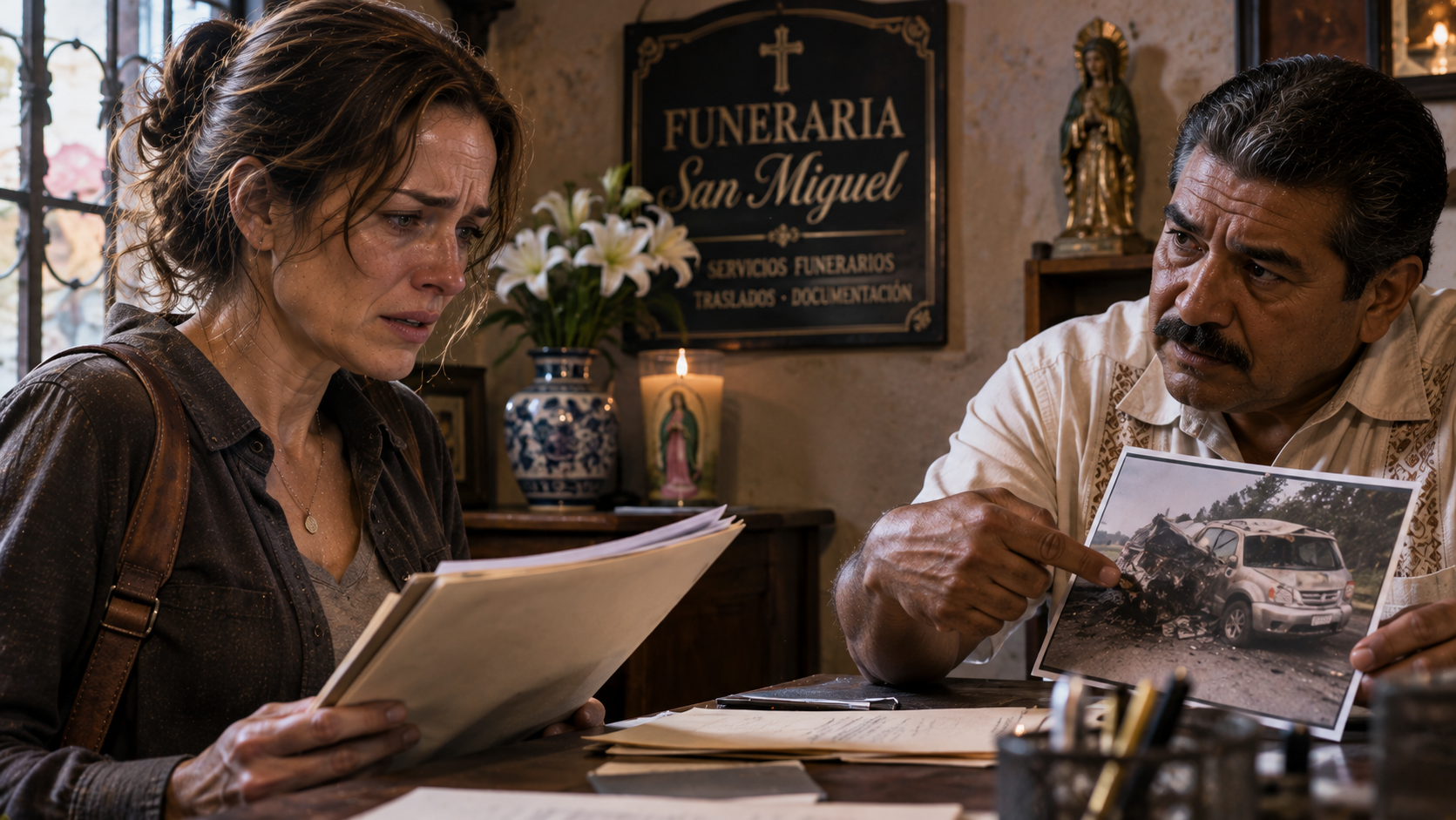
Danny was thirty-four, a year younger than me. Growing up in Albuquerque, we were inseparable until his gambling habit turned him into a stranger. He’d borrowed money from everyone, including me—$8,000 that I never saw again. Still, he was my brother. When the Mexican authorities sent the accident report, it seemed straightforward: a single-car crash, no witnesses, a body burned beyond recognition. My parents were devastated. I stepped in to handle the logistics, flying to Juárez to meet with the funeral home and the local police.
The First Crack in the Story
The funeral director, a kind man named Señor Alvarez, handed me a folder with the accident report and the identification documents. ‘The body was identified by his passport and a tattoo,’ he said. ‘A snake on his left forearm.’ My stomach tightened. Danny had no tattoos—he was terrified of needles. I asked to see the body, but Alvarez hesitated. ‘It was badly burned,’ he said. ‘The family may not want to remember him that way.’ I insisted anyway. What I saw confirmed my suspicion: the corpse had a snake tattoo, but the dental records didn’t match Danny’s. I called my parents, who were too grief-stricken to question anything. I called the U.S. embassy, and they advised me to contact the FBI. That’s when I learned the truth: Danny wasn’t dead. He had staged the accident, using a homeless man’s body from a local morgue, and fled.
Why would my brother fake his own death? The answer came two days later when I returned to Denver and found a stack of mail waiting for me. There were letters from three banks and two credit card companies, all addressed to me but with account numbers I didn’t recognize. The total debt was staggering: $147,000. I called the first bank, and they told me the loans were taken out in my name over the past eighteen months. The signature on the documents looked like mine—but I hadn’t signed anything. Then it hit me: Danny had stolen my identity. He had used my Social Security number, my birth date, and a forged driver’s license to open accounts and take out loans. And now, with him ‘dead,’ the debt was mine to prove I didn’t owe.
The Paper Trail of Betrayal
I spent the next week in a frenzy. I filed a police report, contacted the credit bureaus, and hired a forensic document examiner. The examiner confirmed that the signatures on the loan documents were forgeries—Danny had practiced my signature for years, probably perfecting it on old checks. I also discovered that Danny had taken out a life insurance policy on himself, naming my parents as beneficiaries, two months before his ‘death.’ He had planned to collect the payout from a safe distance, leaving me to drown in debt. But the insurance company flagged the claim when they couldn’t find a death certificate that matched the Mexican report. My parents, still grieving, refused to believe Danny was alive. ‘He’s dead,’ my mother insisted. ‘Why would you say such a thing?’ It was easier for her to believe I was the villain than to accept that her son had deceived us all.
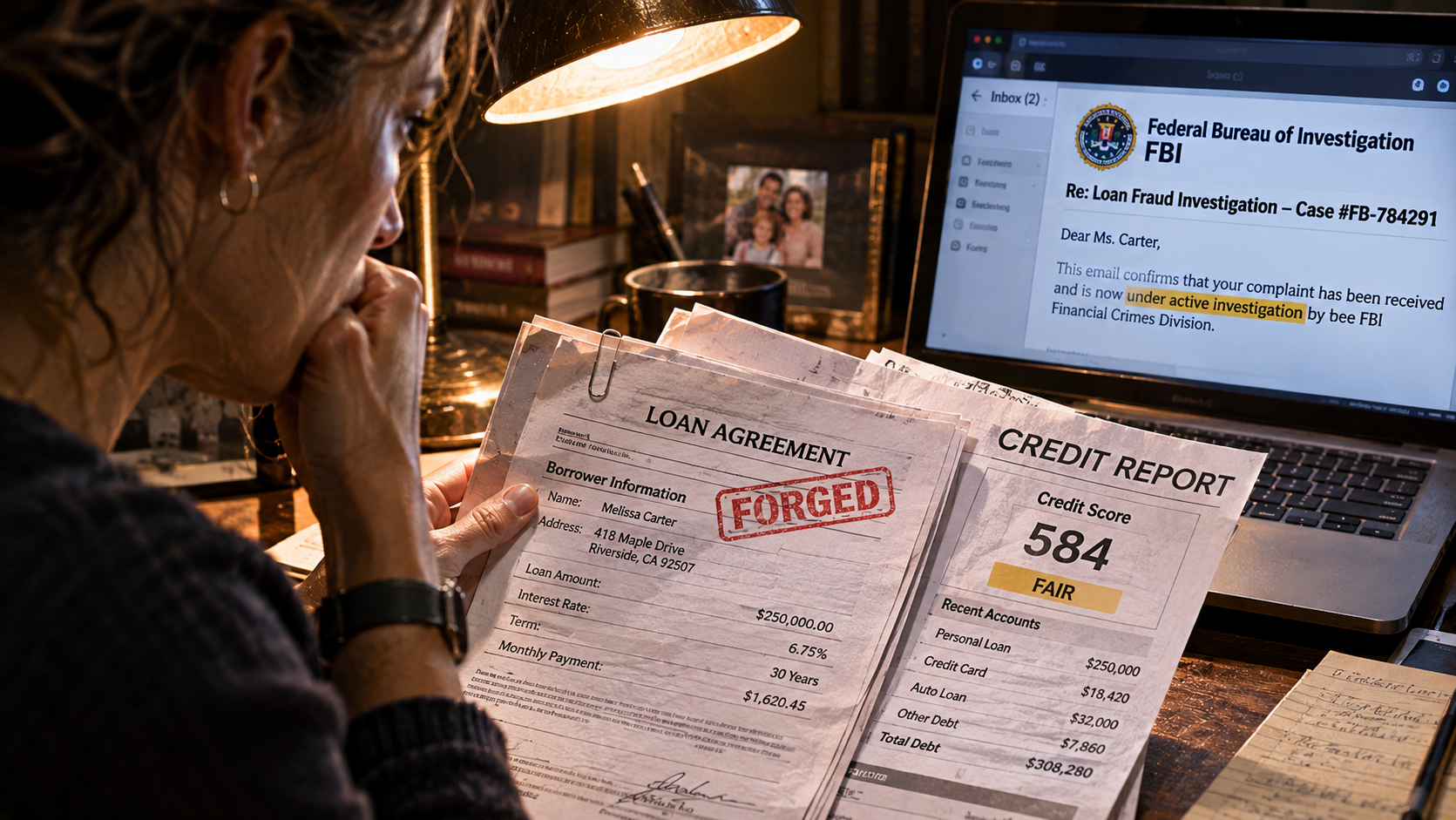
The FBI traced Danny to a small town in Costa Rica, where he had been living under a fake name, using the money from the loans to fund a beachside bar. He had also been in contact with a woman there, telling her he was a widower. When agents arrested him, he had $32,000 in cash and a passport with my name on it—he was planning to flee again. I was notified by a special agent, who asked me to testify before a grand jury. The evidence was overwhelming: the forged signatures, the dental records mismatch, the insurance policy, and the emails between Danny and his accomplice, a former coworker who had helped him stage the accident. Danny was charged with identity theft, fraud, and insurance fraud. He pleaded guilty and was sentenced to eight years in federal prison.
Clearing My Name, One Document at a Time
But the legal victory didn’t erase the debt. I had to prove to each lender that the accounts were fraudulent. It took six months, countless phone calls, and a lawyer who specialized in identity theft. I provided the police report, the forensic examiner’s findings, and the FBI’s case file. One by one, the banks removed the fraudulent accounts from my credit report. My credit score, which had plummeted from 780 to 520, slowly began to recover. I also had to deal with the IRS, which had flagged my tax return because Danny had used my Social Security number to claim a refund. That took another four months to resolve.
My parents eventually came around. When Danny’s accomplice confessed and provided emails detailing the plan, my mother finally accepted the truth. She apologized for not believing me, but the damage to our relationship was done. I moved to a new apartment in Denver, changed my phone number, and started therapy. The betrayal cut deeper than the debt. I had lost my brother long before he ‘died,’ and now I had lost the illusion of the family I thought I had.
What I Learned About Trust and Betrayal
Today, I’m debt-free and my credit is back above 750. I keep a fraud alert on my accounts and check my credit report every quarter. Danny is still in prison; he writes me letters asking for money, which I throw away unopened. My parents and I are slowly rebuilding our relationship, but there’s a distance that wasn’t there before. The hardest part wasn’t the money—it was realizing that someone I loved could look me in the eye and plan my destruction. I share this story not for sympathy, but as a warning: identity theft often comes from those closest to you. And sometimes, the dead don’t stay dead.
Recommended Stories
My Stepmother Sold My College Fund for a Beach House—Then a Stranger Showed Up at Her Door with a Shocking Contract
She thought she'd gotten away with it—until a stranger with a briefcase knocked on her door. The contract inside revealed...
I Found a Locked Diary in My Late Father’s Attic—It Revealed He Had Been Paying My Mother’s Medical Bills in Secret, and the Money Came from a Shocking Source
After my father's funeral, I found a locked diary in his attic. It revealed he'd been secretly paying my mother's...
My Father Disowned Me for Marrying a Man of a Different Race—Ten Years Later, His Will Named Me Sole Heir, and My Brother Wasn’t Having It. Then I Found a Letter That Explained Everything
Disowned for marrying a man of a different race, I never expected to inherit anything. But when my father's will...