I Paid for My Brother’s Dream Wedding—Then He Eloped with My Fiancée and Left Me with the $50,000 Bill
The Phone Call That Shattered Everything
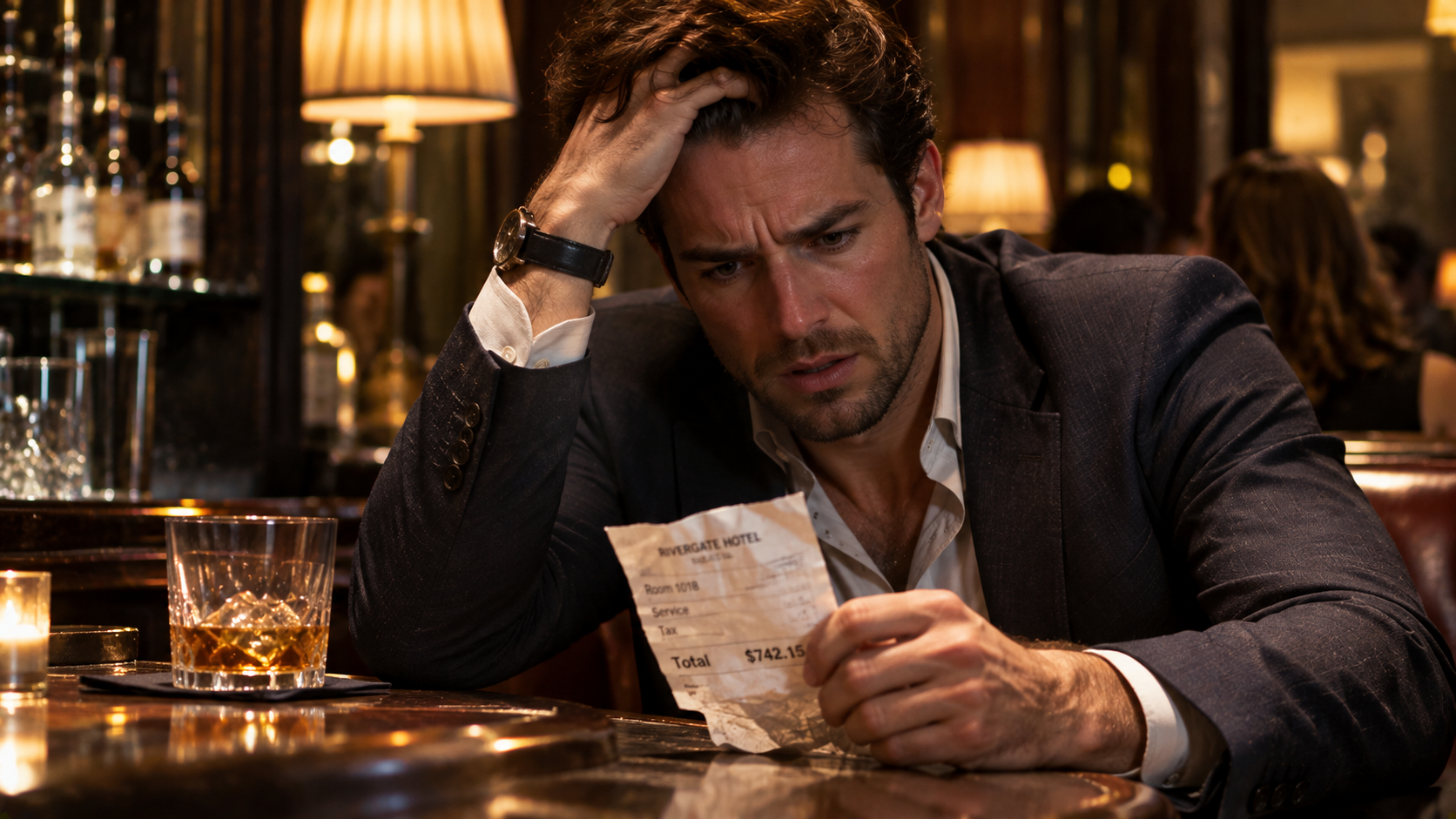
I was standing in the lobby of the Grand Floridian Resort in Orlando, Florida, holding a clipboard with seating charts for a wedding that was supposed to happen in three days. My brother, Derek, had called me twenty minutes earlier, his voice shaky, asking me to meet him at the hotel bar. I assumed he was nervous about the rehearsal dinner. Instead, he slid a folded piece of paper across the mahogany table—a receipt from a chapel in Gatlinburg, Tennessee, dated that morning. It showed a marriage license for Derek James Calloway and Natalie Marie Simmons. Natalie was my fiancée. The wedding I had spent eleven months planning and $50,000 financing was never going to happen. They had eloped while I was finalizing the floral arrangements.
I didn’t scream. I didn’t throw a punch. I just stared at the receipt, then at my brother’s face, and asked one question: “Where’s Natalie now?” He looked at the floor. “She’s at the airport. We’re flying to Cancún tonight.” That was the moment I realized the betrayal wasn’t a sudden explosion—it was a slow-burning fire I had been standing in for months, oblivious to the smoke.
The Clues I Chose to Ignore
Looking back, the signs were there. Natalie had started working late at the marketing firm where Derek also worked—a coincidence I had celebrated because it meant they could carpool. She stopped wearing her engagement ring on weekends, claiming it was “too flashy for errands.” Derek, who had always been the family screw-up, suddenly became responsible: he paid off his credit card debt, started going to the gym, and volunteered to help with wedding planning. I thought he was finally growing up. In reality, he was auditioning for the role of my replacement.
The most painful clue was the joint bachelor-bachelorette party I had organized at a lake house in Lake Tahoe. Natalie and Derek volunteered to handle the food shopping together. They were gone for four hours. When they returned, Natalie’s lipstick was smudged, and Derek had a scratch on his neck. They laughed it off as a “rough game of cornhole.” I believed them. I was so focused on making everyone happy that I ignored the one truth that would have saved me: my brother had never been happy for me a day in his life.
The financial damage was worse than the emotional betrayal. I had taken out a personal loan for $30,000 to cover the venue deposit, catering, and the live band. The remaining $20,000 came from my savings—money I had set aside for a down payment on a house. When I called the vendors to cancel, I learned that Derek had already used my credit card to upgrade the honeymoon suite in Cancún, charging another $8,000. The total bill sitting in my lap was $58,000, and every penny was in my name.
The Confrontation That Changed the Rules
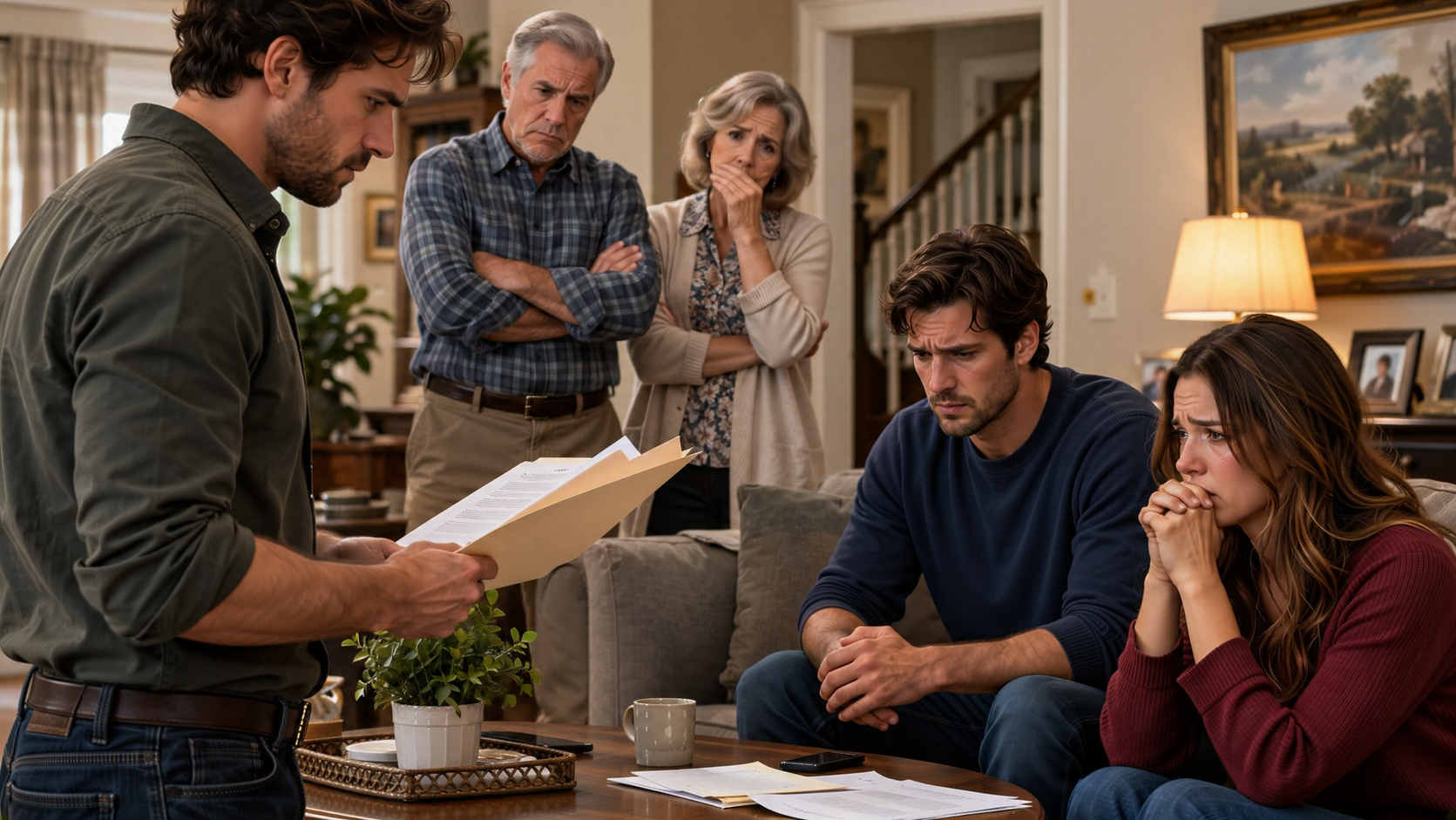
Two days later, my parents called a family meeting at their house in Naperville, Illinois. I walked in to find Derek and Natalie sitting on the couch, holding hands, looking like victims of a tragic misunderstanding. My mother, always Derek’s defender, started the conversation with, “Now, sweetheart, we need to talk about how you’re handling this. Derek says you’ve been threatening him with lawyers.”
I pulled out a folder I had assembled that morning. Inside were screenshots of text messages between Natalie and Derek—messages I had discovered on our shared iCloud account, messages that dated back eight months. There were photos of them at a restaurant in Chicago, captioned “Our first real date.” There was a Venmo transaction from Derek to Natalie for $2,500, labeled “For the ring fund—don’t tell him.” And there was a draft of a wedding invitation that Natalie had designed for their secret ceremony, using the same font and color scheme as ours.
I laid the papers on the coffee table. “I’m not threatening anyone,” I said, my voice steady. “I’m just asking you to pay back the $58,000 you stole from me. Every vendor invoice, every credit card statement—it’s all here. You have thirty days.” Derek’s face went pale. Natalie started crying. My father, who had been silent until now, picked up the papers and read them slowly. Then he looked at Derek and said the words I had waited my whole life to hear: “You did this. Fix it.”
The Slow Climb Back
Derek didn’t have $58,000. He had $4,000 in savings and a leased BMW he couldn’t afford. Natalie’s parents, embarrassed by the scandal, offered to pay $10,000 if I signed a nondisclosure agreement. I refused. Instead, I took Derek to small claims court, where the judge ordered him to pay $30,000 in monthly installments of $500—a sum that would take him five years to clear. I sold the wedding gifts I hadn’t opened on eBay, recovering $6,000. I negotiated with the vendors, who agreed to refund 40% of the deposits after I explained the situation. And I picked up a second job as a freelance graphic designer, working nights and weekends to chip away at the remaining debt.
The emotional recovery was harder. For months, I couldn’t look at a couple holding hands without feeling a wave of nausea. I stopped going to family gatherings. I blocked Natalie and Derek on every platform. But slowly, the anger transformed into something else—a quiet determination to rebuild my life on my own terms. I moved into a smaller apartment, started running again, and reconnected with friends I had neglected during my relationship with Natalie. I even went to therapy, where I learned that being too trusting isn’t a flaw—it’s a vulnerability that manipulators exploit. The key is learning to spot the exploiters before they drain you dry.
One year after the elopement, I received a check in the mail from Derek for $500. Attached was a sticky note that said, “I’m sorry.” I cashed the check but didn’t respond. Some apologies are just words. The real apology is the money he’ll be paying me for the next four years—and the knowledge that I never let him take my dignity along with my savings.
What I Learned About Trust and Betrayal
The hardest part of this experience wasn’t the money. It was the realization that the two people I trusted most had been conspiring against me for months, and I had been too happy to notice. I had been so focused on creating a perfect wedding that I ignored the imperfections in the people I was marrying and the brother I was celebrating. I had assumed that love and loyalty were the same thing. They’re not. Love is a feeling. Loyalty is a choice—and some people choose themselves every time.
Today, I’m in a new relationship with a woman who has never once made me question her honesty. My brother and I exchange polite texts on holidays. Natalie and Derek divorced eight months after their Cancún honeymoon—apparently, a marriage built on betrayal doesn’t last. And I’ve finally paid off the last of the wedding debt. I didn’t get the wedding I planned, but I got something more valuable: a clear understanding of who deserves my trust, and who deserves nothing but a bill in the mail.
Recommended Stories
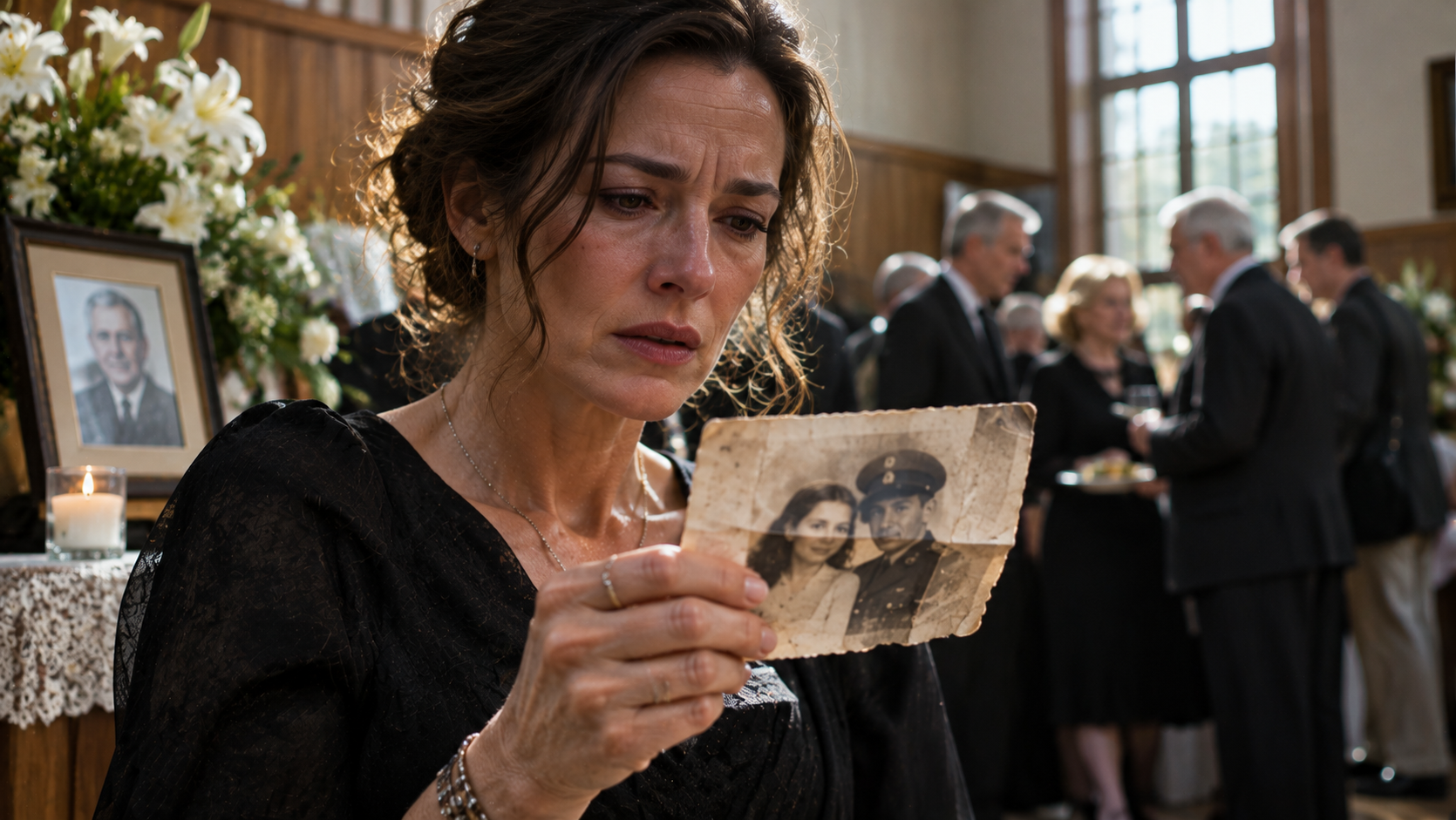
My Husband’s ‘Business Partner’ Was Actually His Secret Wife—I Discovered the Truth at His Funeral When She Handed Me a Photo of Their Three Kids
At my husband's funeral, a stranger handed me a photo of three kids with his smile. 'He was my husband...

My Aunt Gave Me a ‘Worthless’ Painting for My Wedding—Then an Art Expert Offered Me $100,000 Because of a Hidden Signature
Aunt Carol gave me a 'worthless' painting at my wedding—then an expert found a hidden signature worth $100,000. What happened...
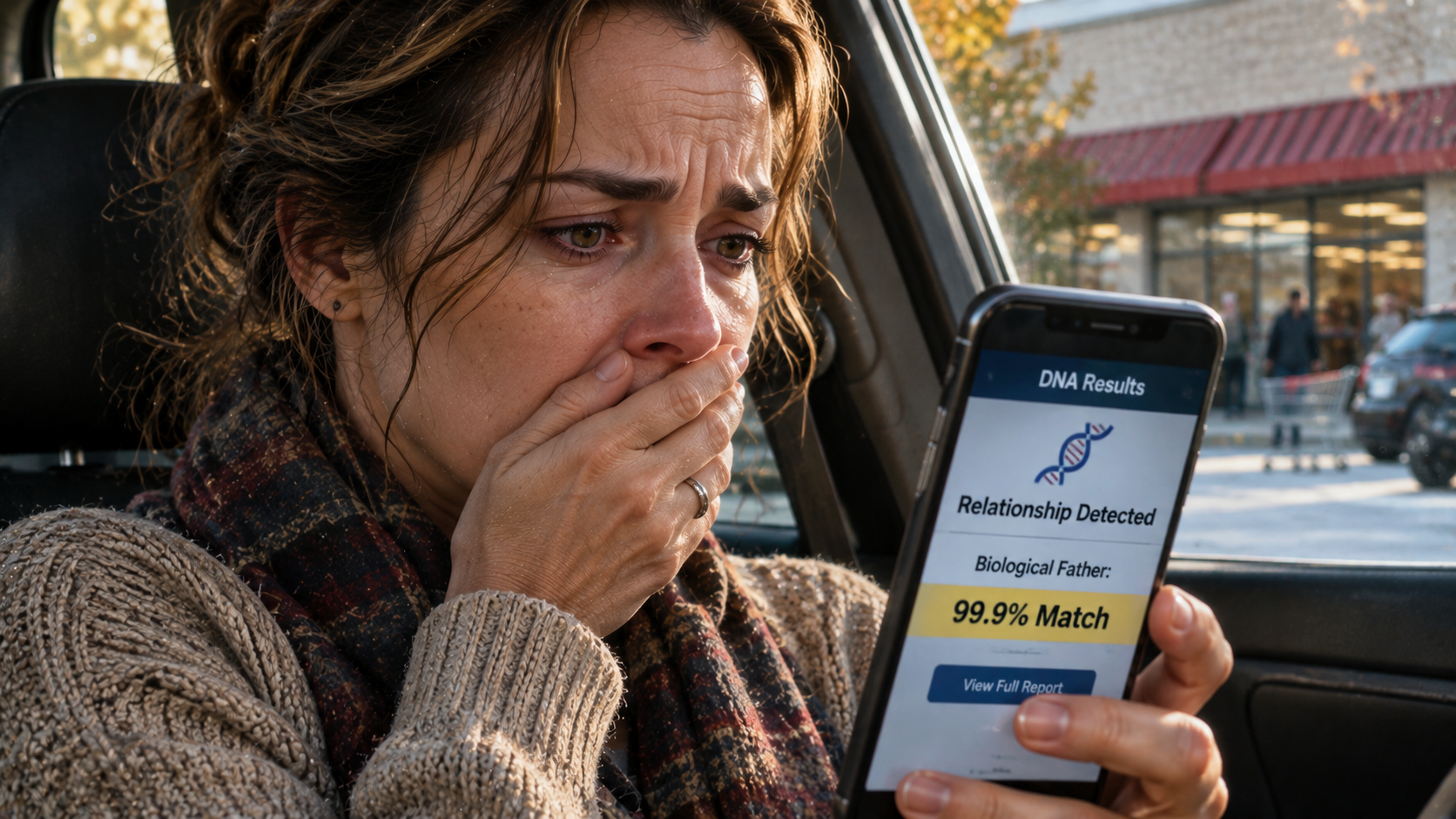
My Parents Adopted My Best Friend After I Moved Out—20 Years Later, a DNA Test Revealed She Was My Biological Sister, and My Parents Knew All Along
My best friend took a DNA test for fun. The results shattered my family: she was my biological sister, and...