My Parents Adopted My Best Friend After I Moved Out—20 Years Later, a DNA Test Revealed She Was My Biological Sister, and My Parents Knew All Along
The Phone Call That Shattered Everything
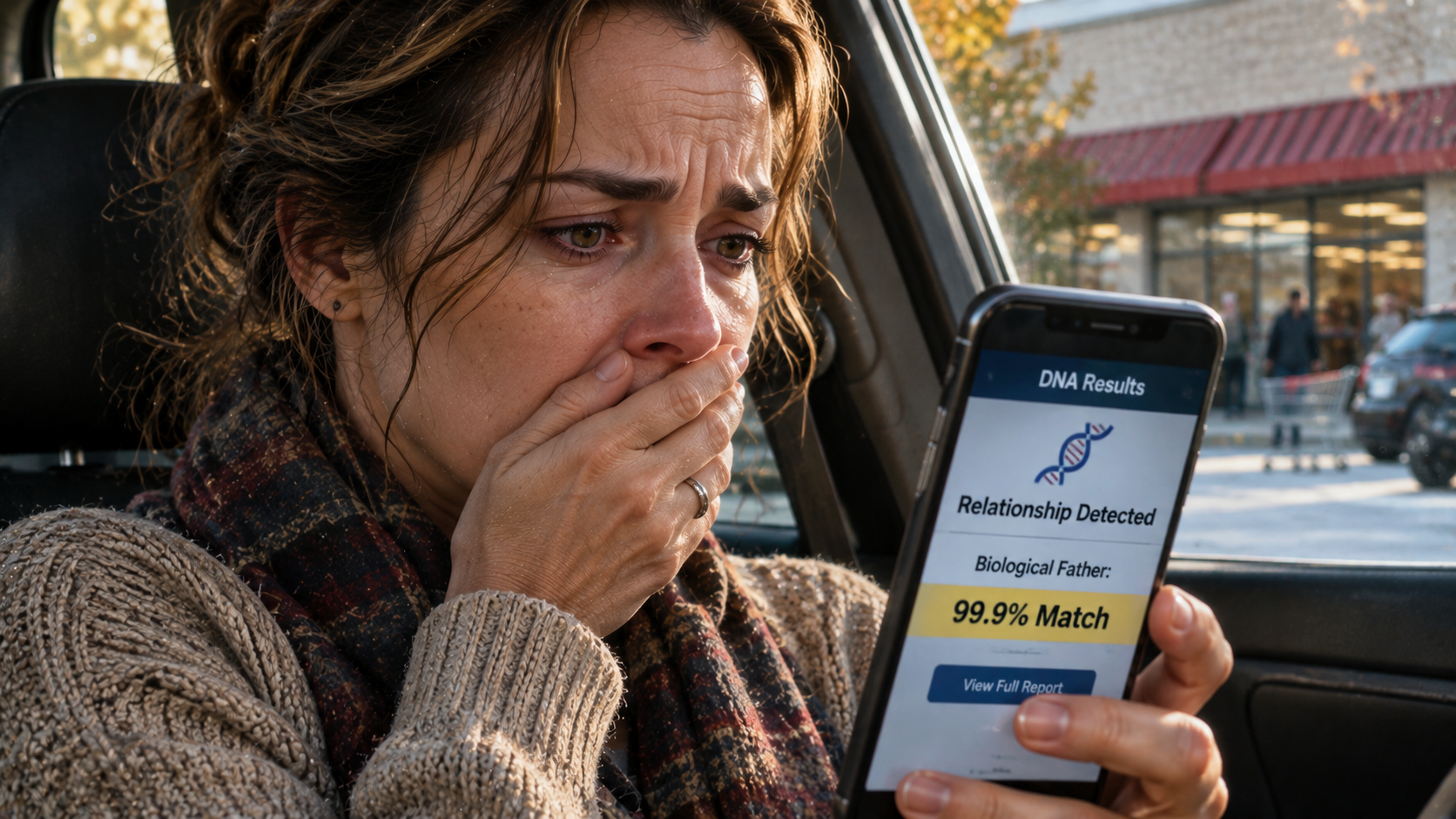
I was thirty-two years old, sitting in my car outside a Target in Columbus, Ohio, when my best friend, Rachel, called me. Her voice was shaky, almost a whisper. She said she had done one of those DNA kits for fun, you know, the ones that tell you your ancestry. But what she found wasn’t just Italian and Irish percentages. She found a match—a close family match—that made no sense. It was me. I was listed as her half-sister.
I laughed at first. I thought it was a mistake, a glitch in the system. But Rachel didn’t laugh. She said, ‘Emma, I’m serious. It says we share a parent. And there’s another match—a woman named Diane. Isn’t that your mom’s name?’
My heart stopped. Diane was my mother. And Rachel, my best friend since seventh grade, the girl my parents had taken in after I left for college, the girl they had officially adopted when she was nineteen—she was my sister. My biological sister. And my parents had known all along.
The Adoption That Never Made Sense
Let me rewind. Rachel and I met in middle school in the small town of Delaware, Ohio. We were inseparable. She came from a chaotic home—her mother was an addict, her father was absent. My parents, Diane and Paul, welcomed her with open arms. She practically lived at our house. When I left for Ohio State, my parents offered to let Rachel move in. Her home life was deteriorating, and they said it was the Christian thing to do.
I thought it was generous. A little weird, maybe, but generous. They adopted her when she was nineteen, legally making her my sister. I was happy for her. She finally had stability. But now, looking back, there were signs. My mother was always overly protective of Rachel. She would get this look in her eye, a mix of love and guilt, whenever Rachel talked about her birth mother. And my father—he was distant with Rachel, almost uncomfortable, like he was carrying a secret.
But I never suspected this. Who would?
The Confrontation
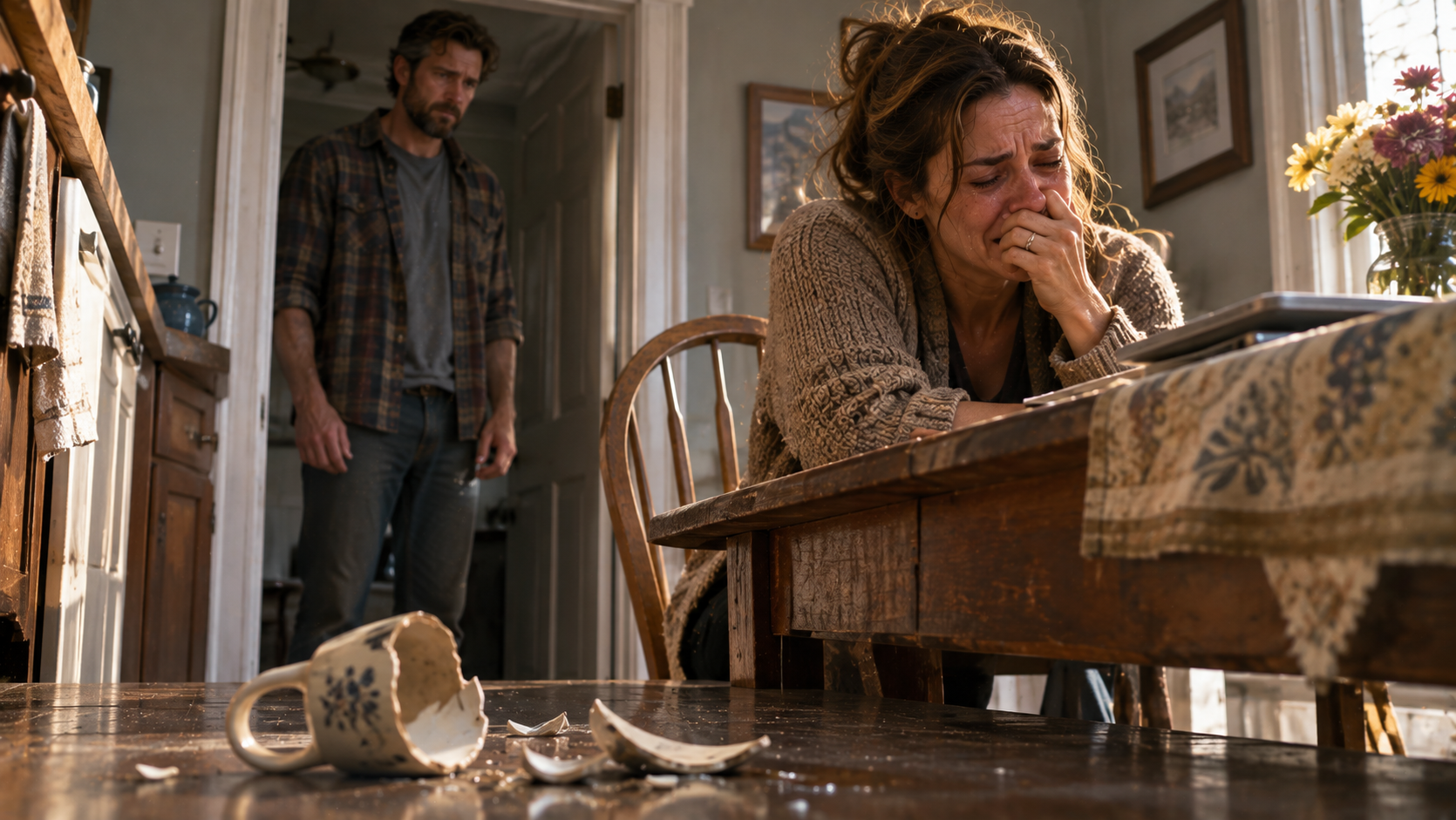
I drove straight to my parents’ house. My hands were shaking. I walked in without knocking, and my mother was in the kitchen, making tea. She took one look at my face and dropped the mug. It shattered on the floor, just like my world.
‘You knew,’ I said. ‘You knew Rachel was my sister, and you never told me.’
My father appeared in the doorway, his face pale. ‘Emma, let us explain.’
‘Explain what? That you gave away your own daughter and then adopted her back as your child? That you lied to me for twenty years?’
My mother started crying. ‘It’s not that simple.’
But it was. It was exactly that simple. They had a daughter before me, a baby they had when they were teenagers. They were sixteen and seventeen, too young, too poor, and they gave her up for adoption. They never told anyone. They moved to Ohio, started over, had me. And then, by some cruel twist of fate, Rachel ended up in my class. My mother recognized her—the adoption agency had sent them updates, photos. She knew. She watched Rachel grow up from afar, never saying a word.
When Rachel’s home life fell apart, my parents saw it as a second chance. They took her in, adopted her, and kept the secret. They thought they were protecting everyone. They thought they could have both daughters without anyone knowing the truth.
The Fallout
I didn’t speak to my parents for three months. I couldn’t. Every memory I had of my childhood was now tainted. My mother’s tears at my graduation, my father’s pride at my wedding—had it all been a performance? Were they always thinking of Rachel, the daughter they gave away?
Rachel was devastated too. She felt like a pawn, a secret kept in plain sight. She told me she needed time to process. She moved out of my parents’ house and into a small apartment across town. We didn’t talk for weeks. I was angry at her, irrationally, as if she had stolen something from me. But deep down, I knew it wasn’t her fault.
My parents tried to reach out, leaving voicemails, sending letters. They said they were young and scared. They said they thought they were doing the right thing by giving Rachel a better life. They never imagined she would come back into their lives. When she did, they panicked. They didn’t know how to tell me. And the longer they waited, the harder it became.
Eventually, Rachel called me. She said, ‘Emma, I’m not your enemy. I’m your sister. I didn’t ask for this either. But we can’t let this destroy us.’
She was right. We met for coffee, and we talked for hours. She told me about her childhood, about the feeling of never quite belonging, about the hole in her heart that she couldn’t explain. And I realized that she had been a victim too. We both had.
The Truth About Their Motives
My parents finally sat us down and told us everything. They were teenagers when they had Rachel. They were in love but had no money, no support. They thought adoption was the only way to give her a good life. They chose a closed adoption, but the agency sent them photos and updates for the first few years. When they moved to Ohio and had me, they thought they had closed that chapter. Then Rachel walked into my seventh-grade classroom, and my mother recognized her immediately. She had the same birthmark on her wrist, the same smile. She couldn’t believe it.
She and my father decided to keep the secret. They thought they could watch over Rachel from a distance, be a safe haven if she ever needed one. When her home life crumbled, they saw it as a sign from God. They adopted her, telling themselves it was for the best. They never thought about how it would affect me. They were so focused on redeeming their past that they forgot about the present.
My father said, ‘We were selfish. We wanted to be her parents without anyone knowing the truth. We thought we could have it all. But we hurt you both.’
Reconciliation and a New Beginning
It took a long time to forgive them. I’m still not sure I fully have. But Rachel and I grew closer than ever. We had always been best friends, but now we had a bond that was unbreakable. We were sisters. We had missed so much time, but we had the rest of our lives to make up for it.
My parents went to therapy. They worked on their guilt and their need to control. They apologized to us both, not just with words but with actions. They gave us space, respected our boundaries, and slowly, we started to rebuild. It wasn’t easy. There were setbacks, arguments, tears. But we were family, and we chose to fight for each other.
Today, Rachel and I live in the same city. Our kids are cousins and best friends. My parents are involved, but they’ve learned to let go, to trust us with the truth. They’re not perfect, but they’re trying.
And me? I’ve learned that secrets have a way of surfacing, no matter how deep you bury them. The truth doesn’t always set you free—sometimes it breaks you first. But if you’re lucky, you find a way to put the pieces back together, stronger than before.
I never thought I’d be grateful for a DNA kit, but I am. It gave me a sister I never knew I had. It gave me a family I never knew I needed. And it taught me that sometimes, the biggest betrayals come from the people who love you the most—and that forgiveness is a choice you make every day.
Recommended Stories
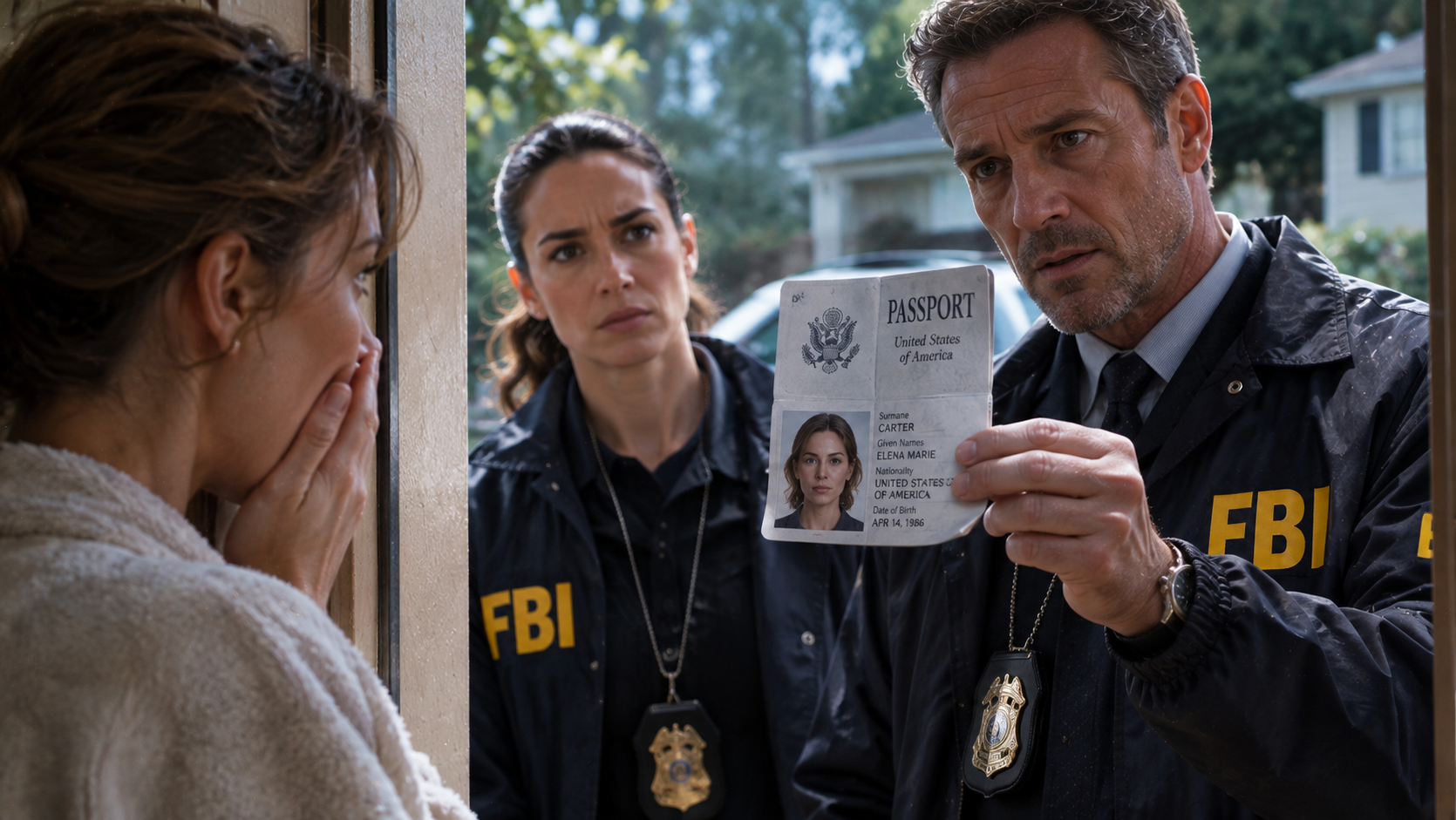
My Sister Stole My Identity to Get a Passport and Fled the Country—Then I Found Her Diary Detailing a 20-Year Plan to Erase Me
When the FBI knocked, I learned my sister had stolen my identity and fled to Portugal. Then I found her...
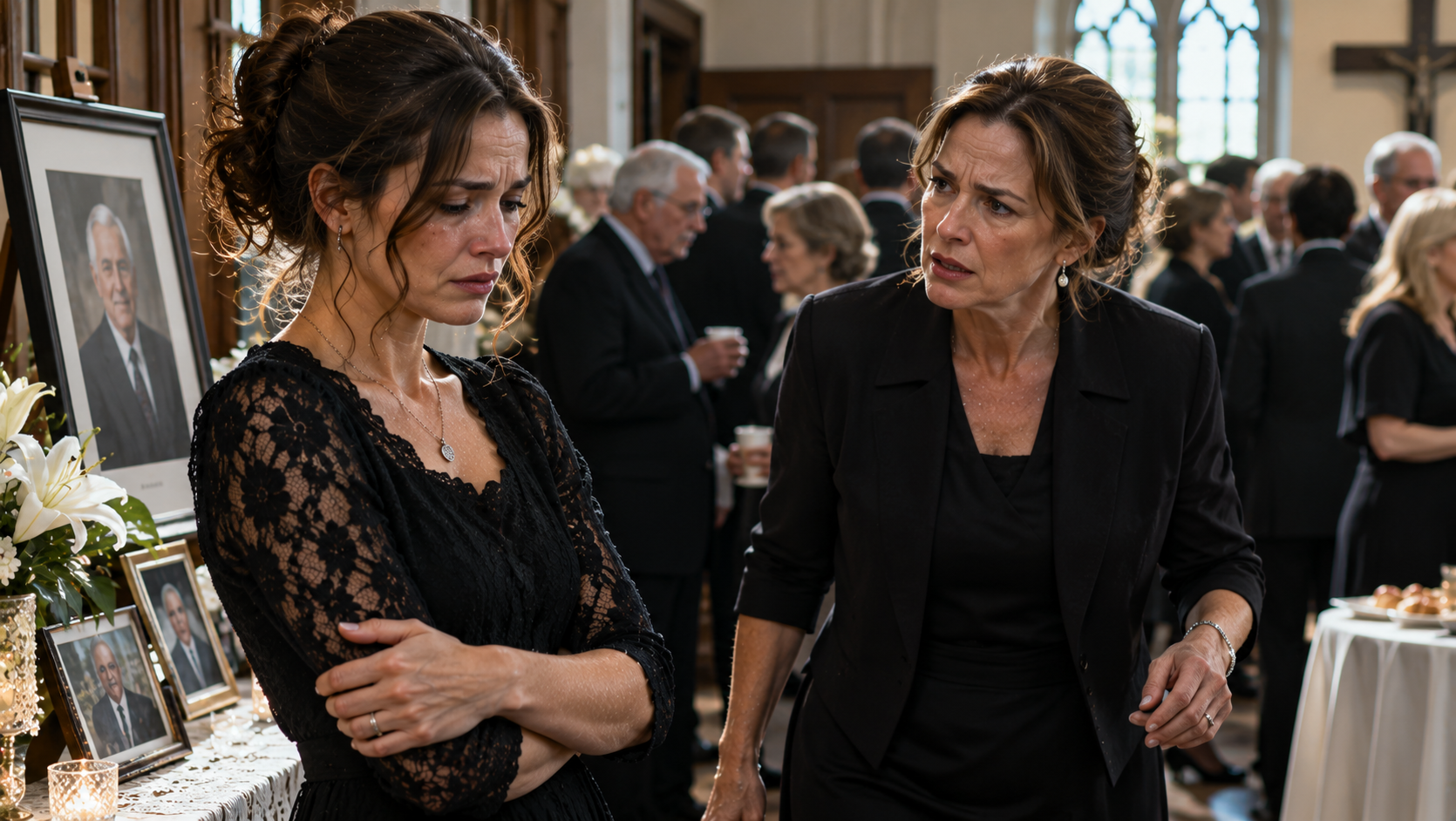
At My Mother’s Funeral, My Aunt Announced She Was My Real Mother—Then My ‘Sister’ Handed Me a DNA Test
At my mother's funeral, my aunt dropped a bombshell: she was my real mother. Then my 'sister' handed me a...