My Sister Stole My Identity to Get a Passport and Fled the Country—Then I Found Her Diary Detailing a 20-Year Plan to Erase Me
The Day the FBI Knocked on My Door
The knock came at 6:47 a.m. on a Tuesday in March. I was still in my bathrobe, coffee mug in hand, when I opened the door to two agents in dark jackets. They asked if I was Clara Whitfield. I said yes. Then they asked why my passport had been used to board a flight to Lisbon three weeks earlier—a flight I never took.
My stomach dropped. I hadn’t left Ohio in four years. I worked as a dental hygienist in a small town outside Columbus, lived in a rented duplex, and spent my weekends gardening. The idea of international travel was as foreign to me as the idea of betrayal by my own flesh and blood.
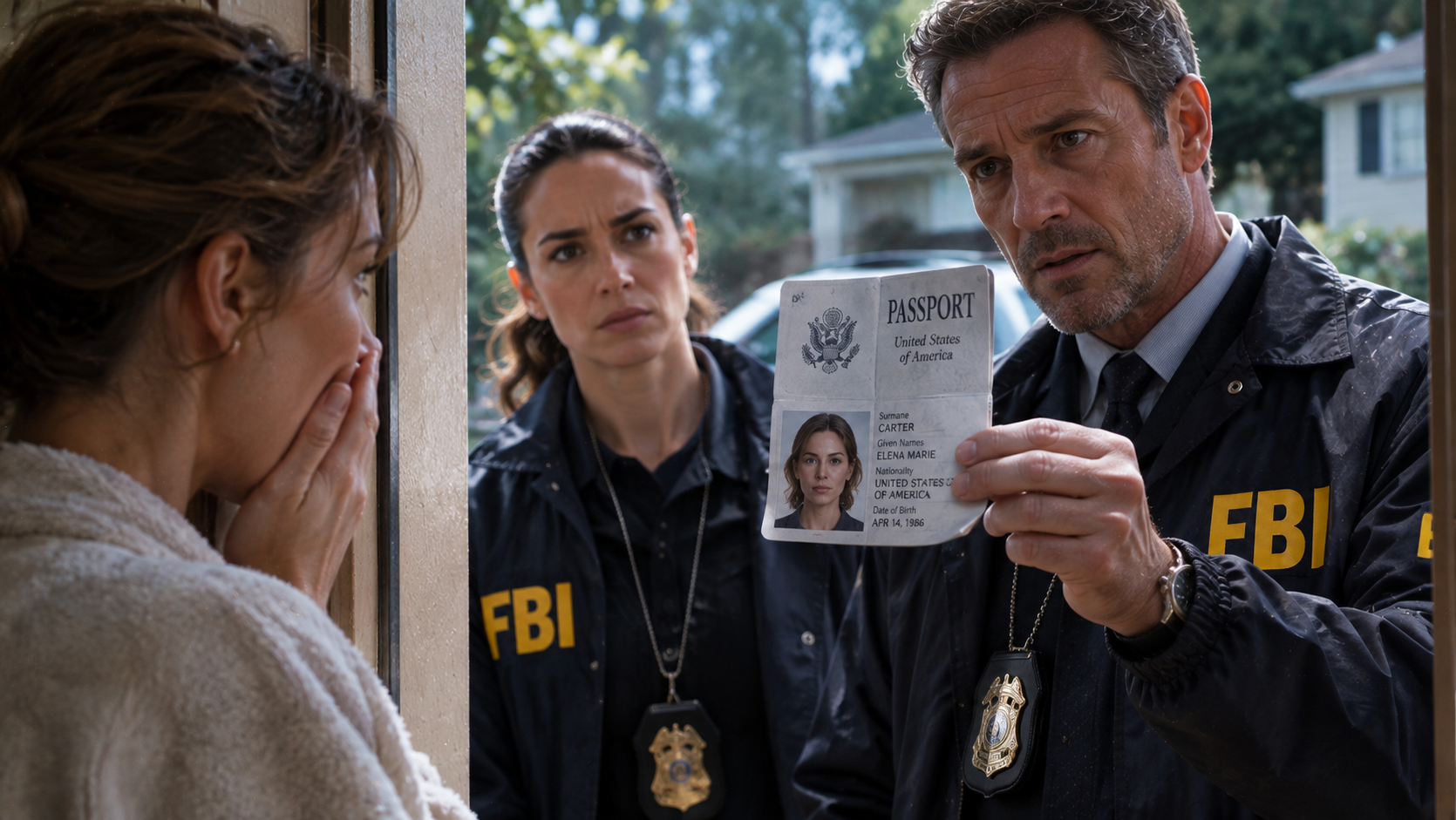
That’s when the agent handed me a photocopy of the passport application. The photo was mine—or rather, it was a photo of my younger sister, Nadia, with my name, my birthdate, my social security number. Everything was correct except the signature. It was forged.
I hadn’t spoken to Nadia in two years. Not since she emptied our late mother’s savings account and disappeared. But I never imagined she’d go this far.
The Sister Who Was Always the Favorite
Growing up in Zanesville, Ohio, Nadia was the golden child. She was two years younger, but she had a way of making everything about her. Our parents, Elena and Victor, doted on her. They said she was “special,” that she had a “bright future.” I was the responsible one—the one who did chores, got good grades, and never caused trouble.
When I turned eighteen, I opened my first bank account. My mother insisted I add Nadia as a co-signer “for emergencies.” I didn’t think much of it. But over the years, small amounts went missing. I’d notice $50 here, $100 there. When I asked Nadia, she’d laugh and say I was paranoid.
By the time I was twenty-five, I’d saved $12,000 for a down payment on a house. Then one day, the money was gone. Nadia had withdrawn it all. She claimed it was a “loan” she’d pay back. She never did. Our parents took her side, saying I was “too harsh” and that “family comes first.”
I moved out the next week.
The Diary I Wasn’t Supposed to Find
After the FBI left, I sat on my couch for hours, trying to process what had happened. Nadia had stolen my identity, applied for a passport in my name, and fled the country. But why? And how long had she been planning this?
A week later, I received a call from a detective in Lisbon. Nadia had been arrested for shoplifting. In her possession was a leather-bound diary. The detective asked if I wanted it shipped to me. I said yes.
When the diary arrived, I opened it with trembling hands. The first entry was dated January 15, 2003—twenty years earlier. I was twelve. Nadia was ten.
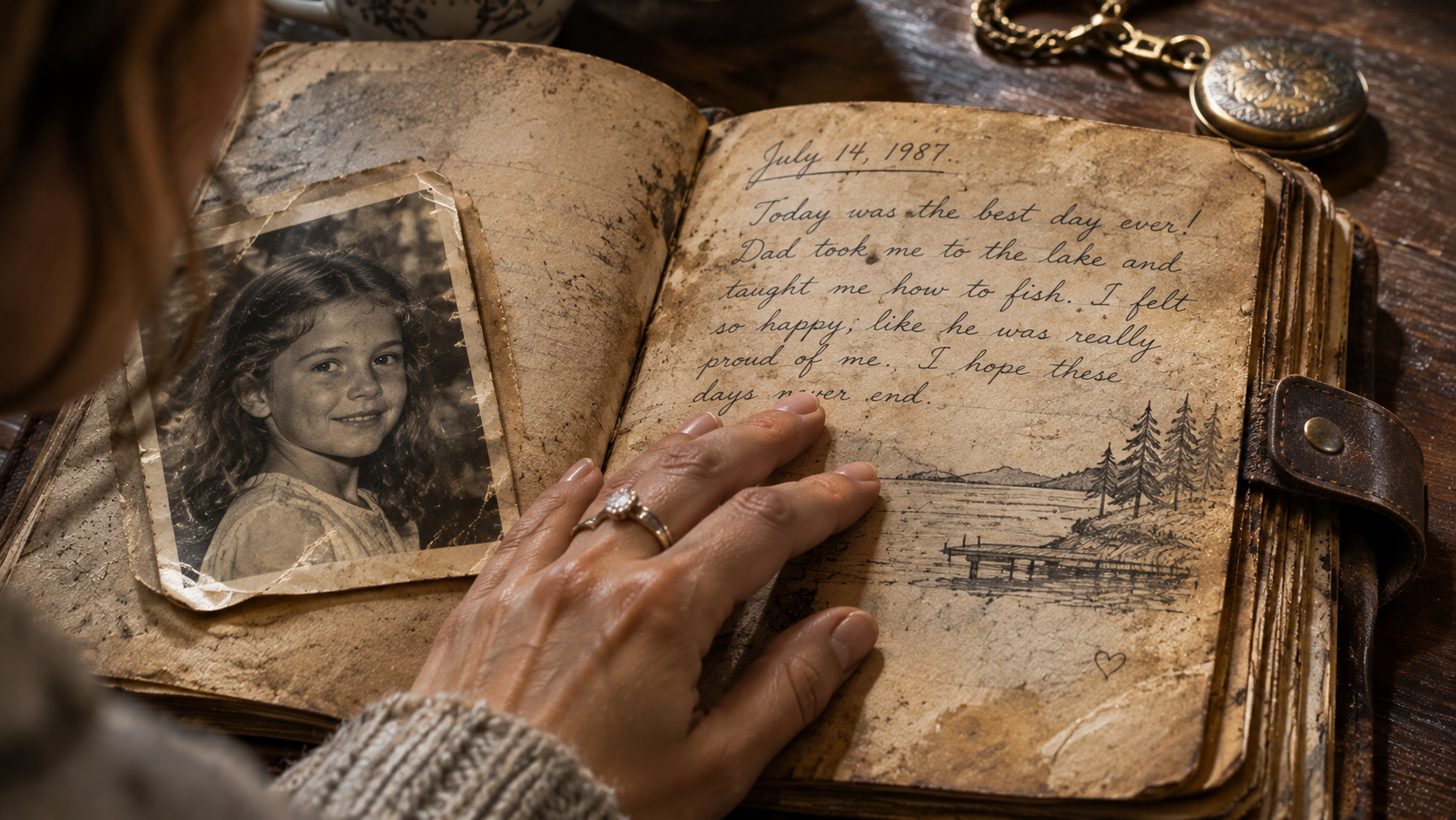
The entry read: “Mom says I have to be patient. She says Clara’s life will be mine one day. I just have to wait until she’s old enough to mess up. Then I can take everything.”
I felt the blood drain from my face. I flipped through the pages. Entry after entry detailed a plan that spanned two decades. Nadia wrote about how our parents had coached her to mimic my handwriting, my signature, my mannerisms. They told her that I was “the practice child” and that she was “the real one.”
They had been grooming her to erase me.
The Parents Who Orchestrated the Theft
The diary revealed more than I ever wanted to know. My parents had opened a second bank account in my name when I was ten, funded with money from my grandmother’s estate. They never told me about it. Instead, they used it to pay for Nadia’s dance lessons, her braces, her first car. When I asked for help with college tuition, they said they couldn’t afford it.
They had also taken out a life insurance policy on me when I was born. Nadia wrote about how they planned to “cash in” if I died before I turned thirty. Then they’d use the money to set her up for life.
I was shaking by the time I reached the final entries. The last one was dated February 12, 2023—just weeks before Nadia fled. It read: “I finally did it. I got the passport. Mom helped me fill out the forms. Dad drove me to the airport. Clara will never know what hit her. By the time she figures it out, I’ll be gone.”
I called my father immediately. He answered on the second ring.
“Did you know?” I asked, my voice barely a whisper.
There was a long pause. Then he said, “Clara, you have to understand—Nadia needed a fresh start. You were always so… capable. She wasn’t.”
I hung up and never spoke to him again.
The Legal Battle and the Unexpected Ally
The FBI investigation took months. Nadia was extradited back to the U.S. and charged with identity theft, passport fraud, and grand larceny. Our parents hired her a lawyer. They publicly blamed me, saying I was “jealous” and “vindictive.”
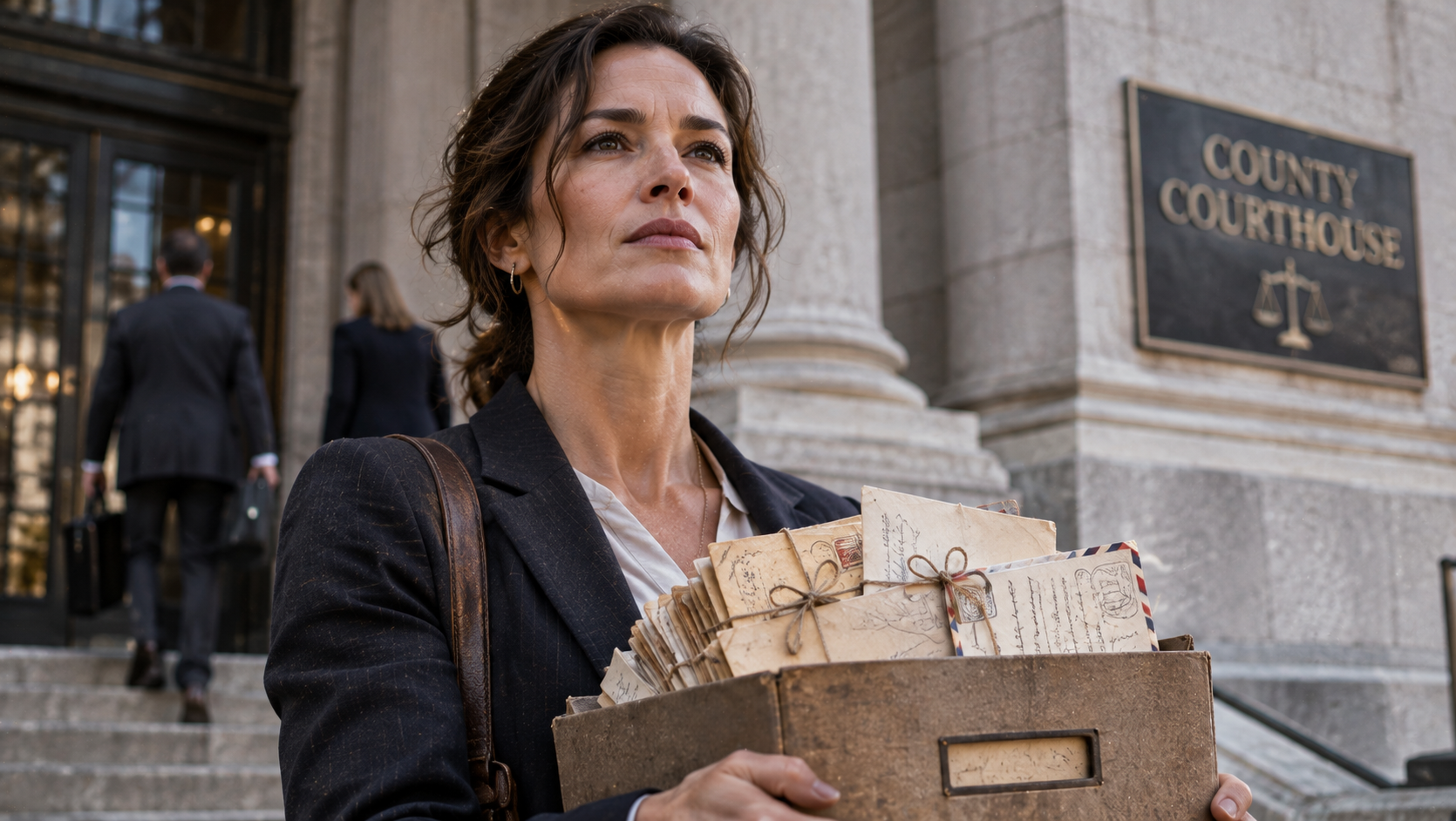
But then something unexpected happened. My aunt Marlene—my mother’s sister—reached out. She had been estranged from our family for years. She told me she had always suspected something was wrong. She gave me a box of letters she’d found in my grandmother’s attic—letters from my parents discussing their plan to “transfer” my identity to Nadia.
“Your grandmother tried to stop them,” Marlene said. “They cut her off. She died thinking she’d failed you.”
Those letters became the key evidence in the trial. Nadia was sentenced to five years in federal prison. My parents were charged as accomplices and received probation. They lost their house, their reputation, and their daughter.
What I Learned from the Betrayal
Today, I live in a small apartment in Columbus. I’ve changed my social security number, my bank accounts, and my will. I don’t speak to my parents. I don’t write to Nadia. Some wounds don’t heal—they just scar over.
But I’ve also found a strange kind of peace. I know now that I was never the problem. I was the scapegoat. And sometimes, the only way to survive is to walk away.
Last month, I received a letter from Nadia in prison. She apologized. She said she was “brainwashed” and that she “never wanted to hurt me.” I read it once and burned it in the sink.
I don’t need her apology. I have something better: the truth.
Recommended Stories
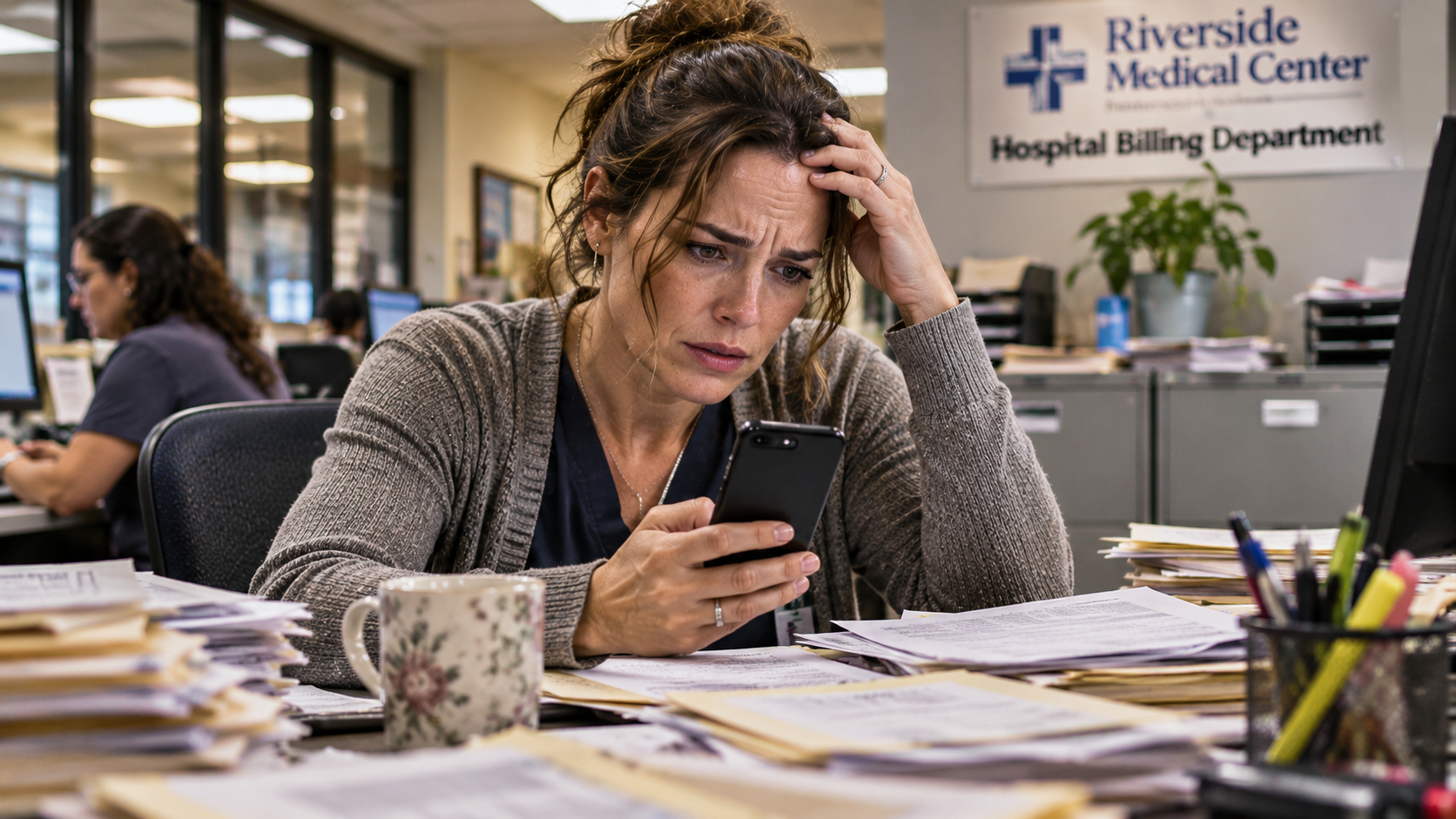
My Brother Asked Me to Co-Sign a Loan—Then He Disappeared and Left Me with His Debt
He promised a six-month loan and a landscaping business. Four months later, he vanished—and I was left with $38,400 in...
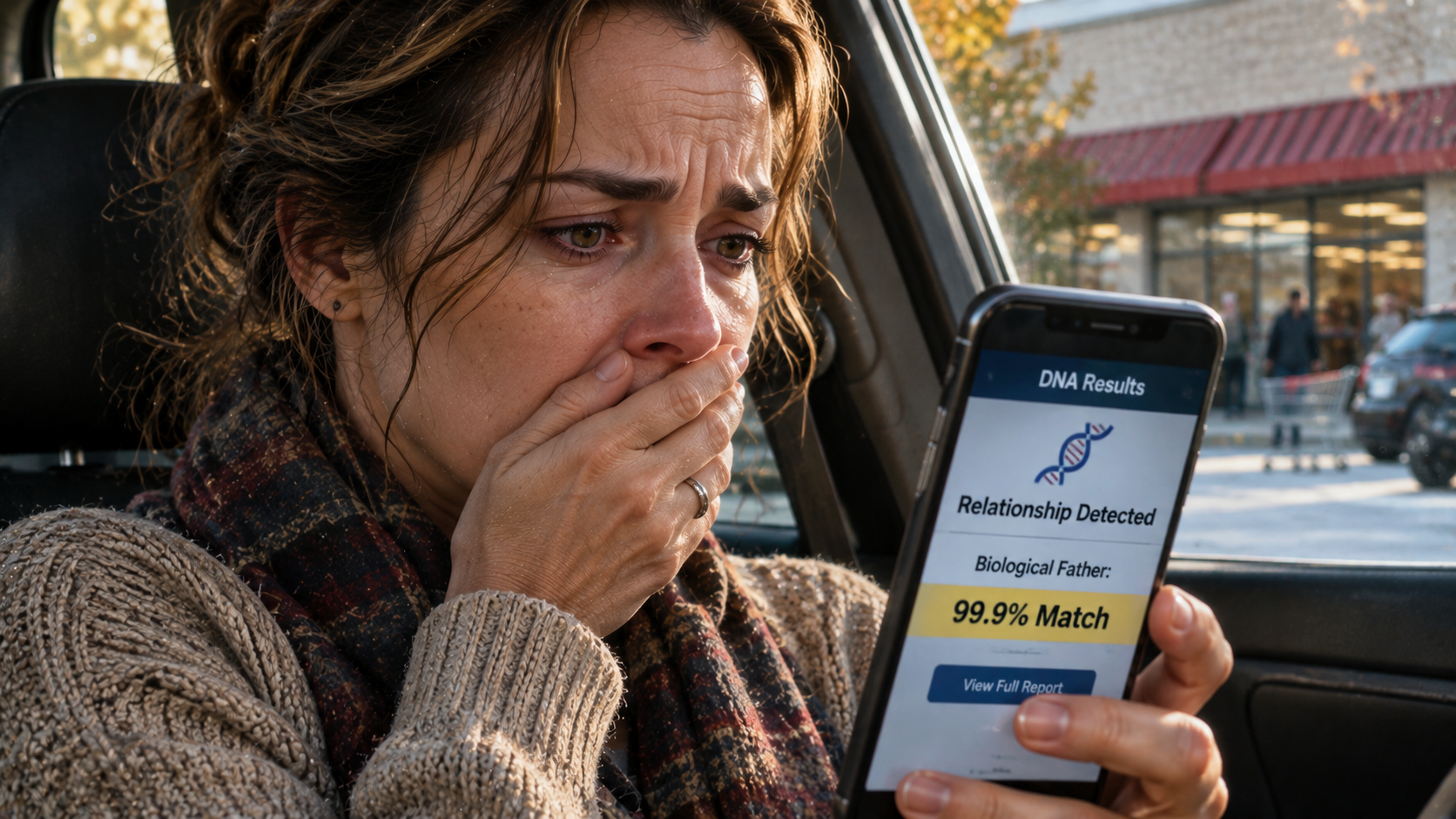
My Parents Adopted My Best Friend After I Moved Out—20 Years Later, a DNA Test Revealed She Was My Biological Sister, and My Parents Knew All Along
My best friend took a DNA test for fun. The results shattered my family: she was my biological sister, and...
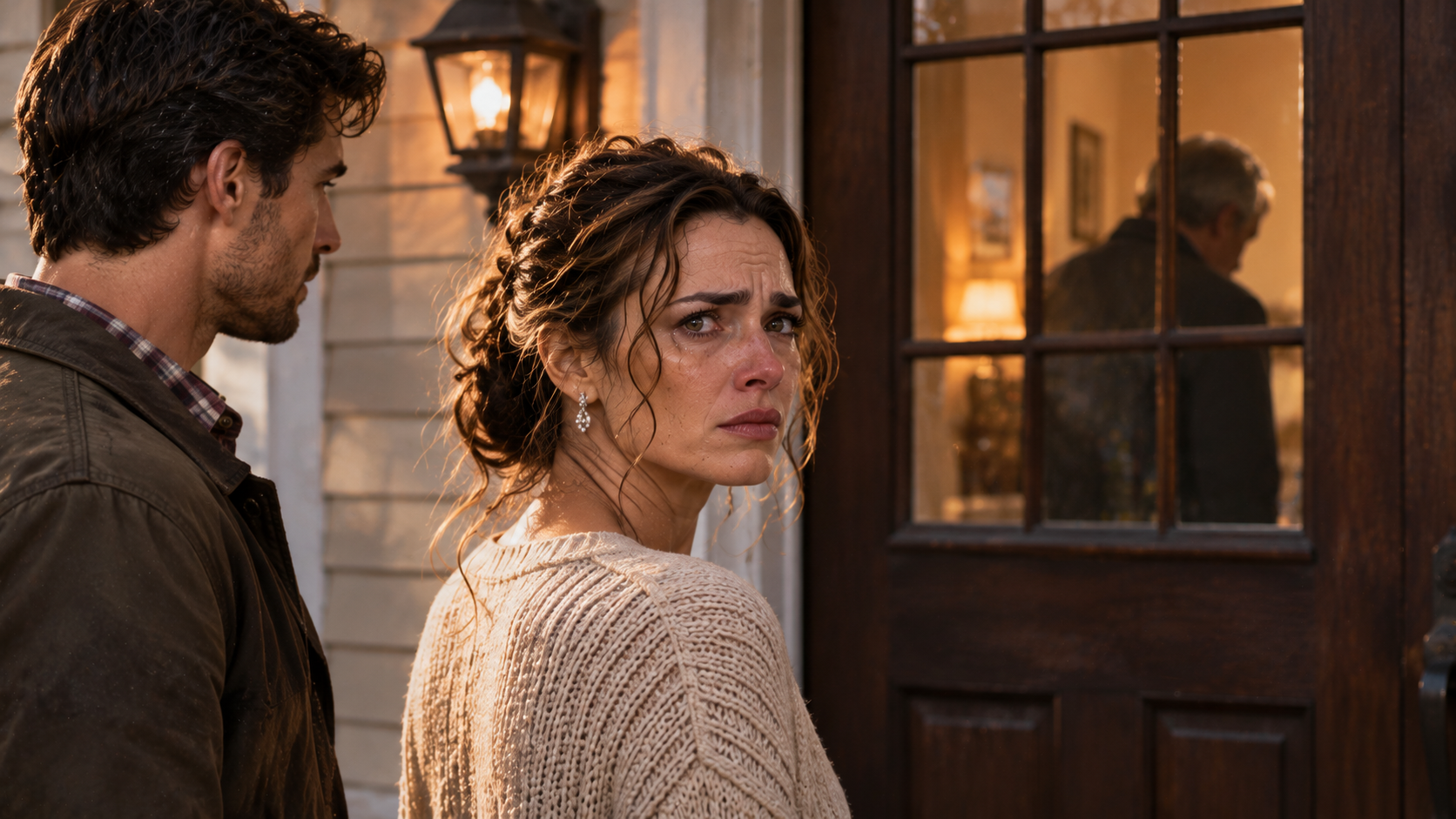
My Father Disowned Me for Marrying a Man of a Different Race—Ten Years Later, His Will Named Me Sole Heir, and My Brother Wasn’t Having It. Then I Found a Letter That Explained Everything
Disowned for marrying a man of a different race, I never expected to inherit anything. But when my father's will...