My Father Disowned Me for Joining the Military—Ten Years Later, He Collapsed at My Promotion Ceremony and Begged for Forgiveness with a Shocking Confession
The fluorescent lights of the auditorium hummed as I stood at attention, the new oak leaves on my shoulder catching the glare. Three hundred faces blurred into a sea of dress blues and proud smiles—my wife, Elena, in the front row, our daughter, Maya, clutching a tiny American flag. Ten years of grit, three deployments, and a green-to-gold commission had led to this moment: my promotion to captain. But as the applause thundered, a commotion near the back doors drew every eye. An elderly man in a rumpled suit stumbled forward, his face ashen, and collapsed onto the polished floor. Medics rushed, but he waved them off, locking eyes with me. It was my father—the man who had disowned me a decade ago, who had called my military ambition a ‘betrayal of everything this family stands for.’ He hadn’t spoken my name since the day I left for basic training.
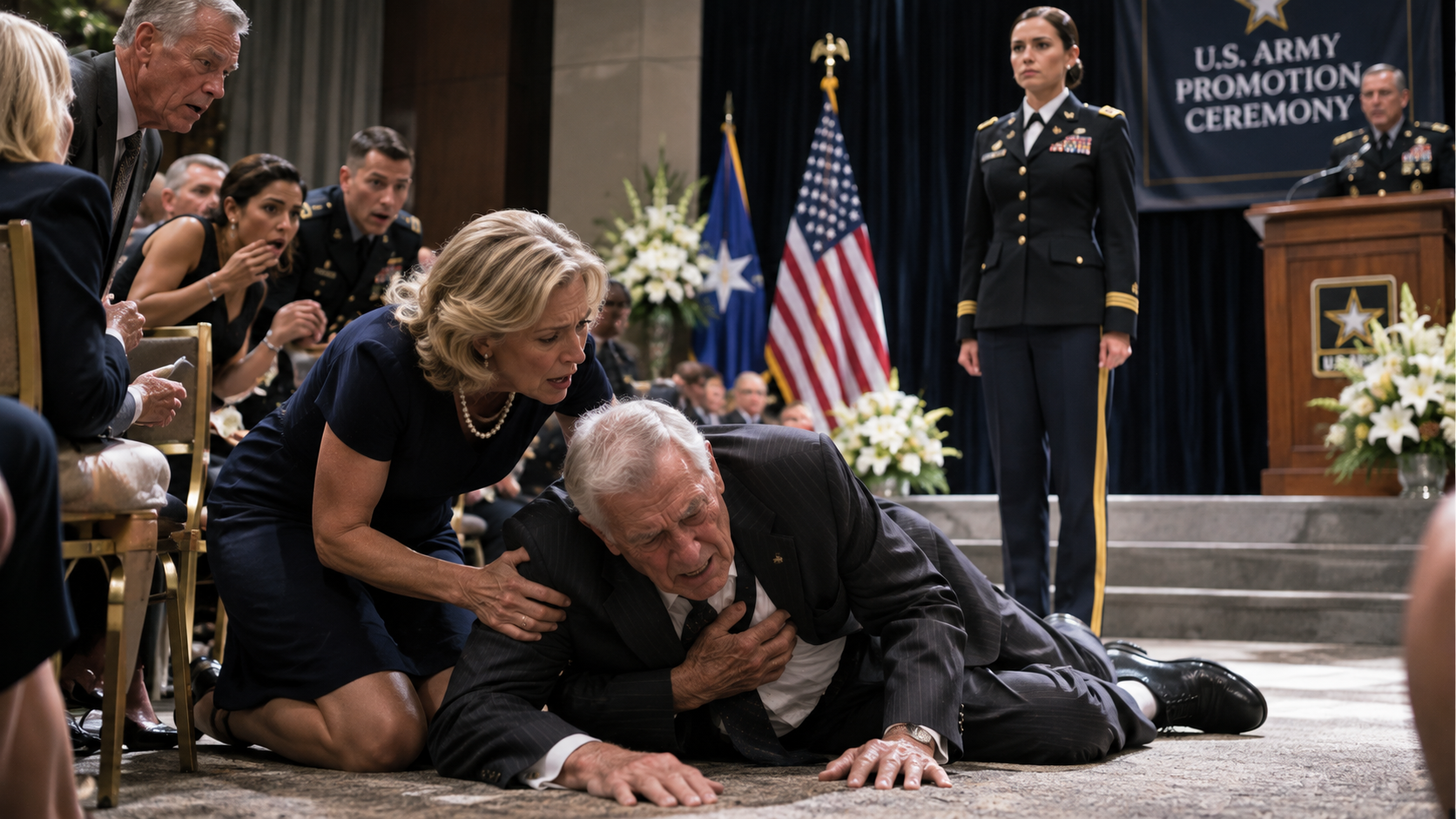
I hadn’t seen him in ten years. Not since the night he threw my enlistment papers across the kitchen table and told me I was dead to him. My mother had cried silently, my younger brother, Danny, had looked away, and I had walked out with a duffel bag and a broken heart. Now, here he was, trembling on the floor of my own ceremony, reaching out with a shaking hand. ‘Forgive me,’ he rasped, loud enough for the front rows to hear. ‘I had to make you hate me. It was the only way to keep you alive.’
The Silence That Lasted a Decade
My father, Robert, was a retired civil engineer—or so I’d believed. Growing up in the small town of Millbrook, Ohio, I knew him as a quiet, rigid man who kept to himself, who never talked about his past, who had a locked study I was forbidden to enter. He was patriotic in a muted way—a flag on the porch, a respectful nod at the VFW hall—but when I told him I was enlisting after 9/11, he erupted with a fury I’d never seen. ‘You will not do this,’ he shouted, his voice cracking. ‘I forbid it.’ I was nineteen, stubborn, and desperate to serve. I enlisted anyway. The last words he said to me were, ‘Don’t ever come back.’
For ten years, I honored that. I built a life in the Army—met Elena, a military intelligence officer, had Maya, climbed the ranks. I sent letters home, but they came back unopened. I called on birthdays, but the line went dead. My mother would secretly email me updates—Danny’s graduation, her arthritis—but she never mentioned my father, and I never asked. The wound was too raw.
Then came the promotion ceremony at Fort Benning. I had invited my mother, and she had RSVP’d yes. I never imagined she would bring him.
The Collapse and the Confession
After the medics helped him to a chair in the back, the ceremony continued, but my focus was shattered. I accepted the promotion with mechanical precision, my eyes flicking to the back row where my father sat, hunched and pale. When it was over, I found him in a quiet corridor, my mother hovering nearby with tears streaming down her face. ‘He insisted on coming,’ she whispered. ‘He said he had to tell you before it was too late.’
My father looked up at me, and for the first time, I saw not anger but fear. ‘Sit down, son,’ he said. ‘There’s something you need to know.’
He told me he had worked for the CIA—not as an engineer, but as a covert operative during the Cold War. In the 1980s, he had been part of an operation infiltrating a Soviet spy ring operating in the Midwest. The mission had gone wrong; a mole had been discovered, and my father had been forced to sever all ties with his past to protect his family. ‘They threatened you,’ he said, his voice barely a whisper. ‘They said if I didn’t disappear from your life, they would come for you. I had to make you hate me. It was the only way to keep you safe.’
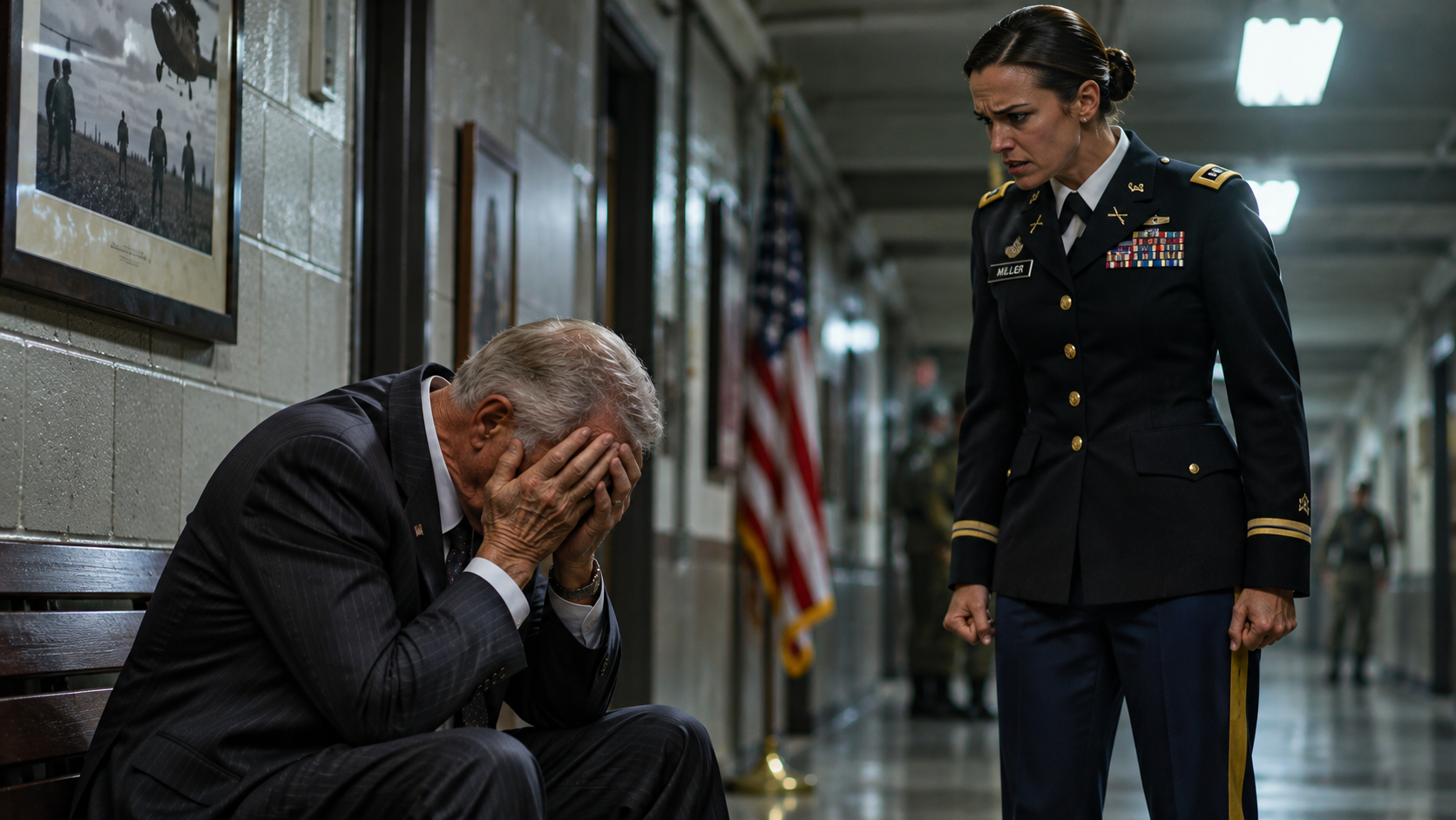
I felt the floor tilt. ‘You expect me to believe that?’ I said. ‘For ten years, you let me think you hated me—because of some spy story?’
He pulled a worn envelope from his jacket. Inside was a photograph: a younger version of him, standing next to a man I recognized from old news clippings—a Soviet defector who had been assassinated in 1985. ‘I’ve been monitoring your career from a distance,’ he said. ‘Every promotion, every deployment. I have friends who still work in the agency. They kept me informed. I knew you were safe as long as I stayed away.’
My mother stepped forward. ‘He’s telling the truth, honey. I didn’t know for years. When he finally told me, I wanted to scream. But he made me promise to keep it secret. He was terrified that if anyone knew, you’d become a target.’
The Hidden File and the Real Threat
I didn’t believe him—not at first. It sounded like a convenient excuse, a way to rewrite a decade of cruelty. But then he mentioned a name: Victor Kessler, a man I had never heard of. ‘He was the mole,’ my father said. ‘He’s been in witness protection for thirty years. But last month, I got a call from an old contact. Kessler is dying, and he’s been talking. He’s been telling people that the son of the man who exposed him is now a rising star in the military. He wants revenge.’
My blood ran cold. ‘How do you know this?’
‘Because I’ve been tracking him,’ my father said. ‘I never stopped. I couldn’t protect you openly, so I did it from the shadows. I’ve been in contact with your commanding officers—anonymously. I’ve been the one who flagged suspicious activity around your deployments, who pushed for extra security on your last tour. I couldn’t be your father, but I could be your guardian angel.’
He handed me a file. Inside were surveillance photos, intercepted communications, and a letter from a CIA liaison confirming his story. I stared at the documents, my mind reeling. Ten years of silence, of bitterness, of believing I was unloved—and all along, he had been watching over me.
‘Why now?’ I asked. ‘Why come forward after all this time?’
‘Because Kessler’s threats are escalating,’ he said. ‘And because I’m dying. I have stage four lung cancer. The doctors give me six months. I couldn’t go to my grave without you knowing the truth.’
The Reckoning
The next few weeks were a blur. I contacted my chain of command, who confirmed that my father had indeed been in contact with them—under a code name—for years. They had known about the threat and had been quietly monitoring the situation. Kessler was arrested two weeks later after a sting operation. He died in custody a month after that, taking his secrets with him.
My father and I didn’t reconcile overnight. The hurt was too deep, the trust too shattered. But we started talking. He told me stories about his covert work, about the men he had served with, about the sacrifices he had made. He met Elena and Maya, and for the first time, I saw him smile—truly smile. He died four months later, holding my hand, with my mother and me by his side.
At his funeral, I wore my dress blues. As they folded the flag and handed it to my mother, I realized that my father had given me two gifts: the truth, and the freedom to serve without fear. He had been a soldier in his own way—a silent warrior who had fought his battles in the shadows, all to protect the son he loved.
I still think about the ten lost years. But then I remember the file, the photos, the late-night calls to my commanders. My father never stopped being my father. He just had to love me from a distance. And in the end, that distance was the greatest act of love I’ve ever known.
Recommended Stories
My Mother-in-Law Swapped My Wedding Ring with a Fake—Then a Pawn Shop Owner Called Me About the ‘Stolen’ Original
She swapped my heirloom wedding ring for a fake, but a pawn shop owner's call exposed her—and revealed the ring's...
My Brother Asked Me to Be His Best Man—Then His Fiancée Showed Me a Text That Revealed He’d Been Stealing from Our Parents for 10 Years
My brother asked me to be his best man—then his fiancée showed me a text that revealed he'd been stealing...
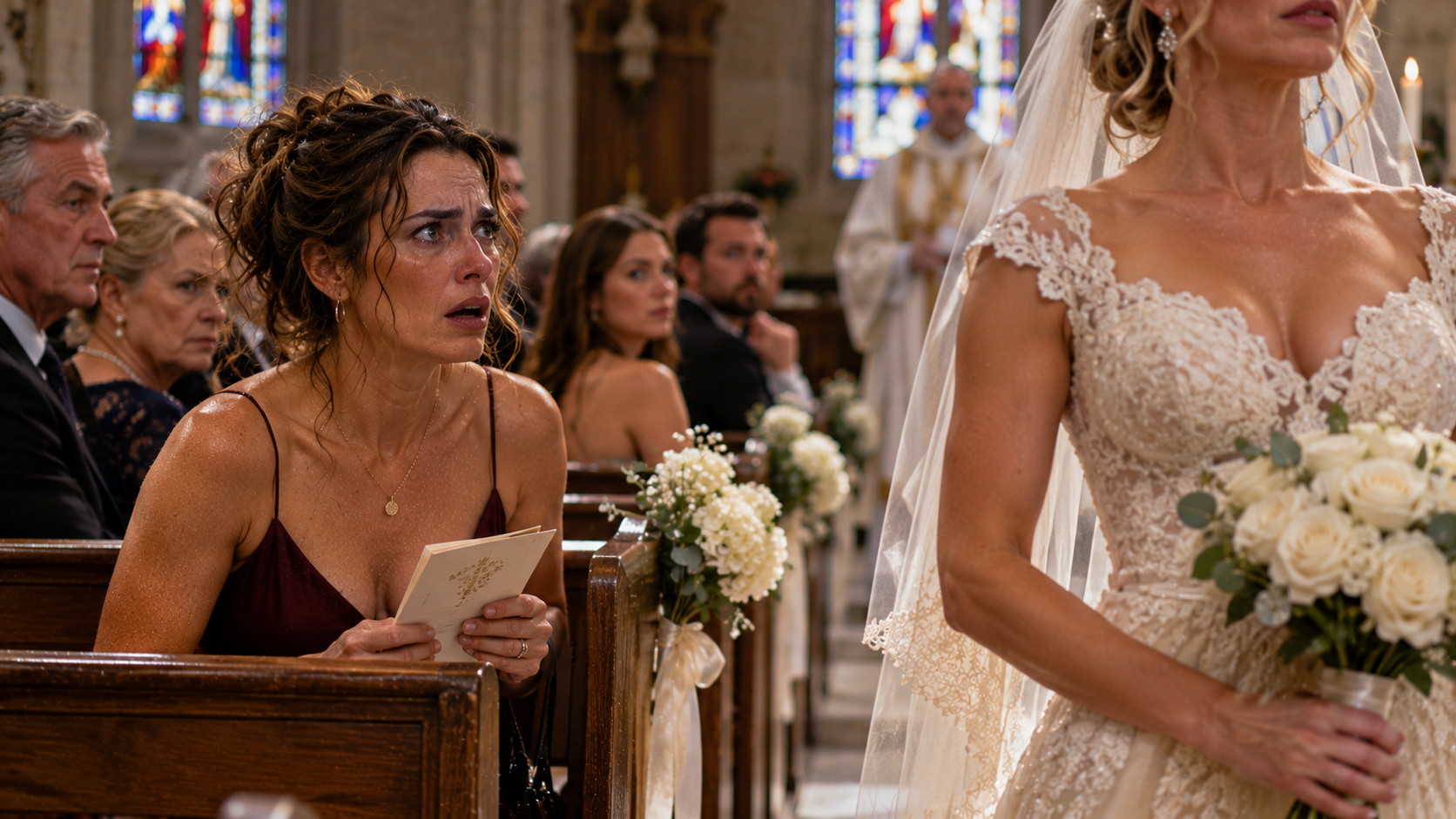
My Sister Stole My Wedding Dress and Wore It to Her Own Wedding—When I Confronted Her, She Laughed and Said, ‘You’ll Never Prove It.’ Then the Photographer Sent Me the Original Negatives
She wore my wedding dress to her own wedding and laughed, 'You'll never prove it.' Then the photographer sent me...