My Mother ‘Borrowed’ My $50,000 College Fund to Pay for My Brother’s Drug Rehab—Then He Relapsed and She Asked for More
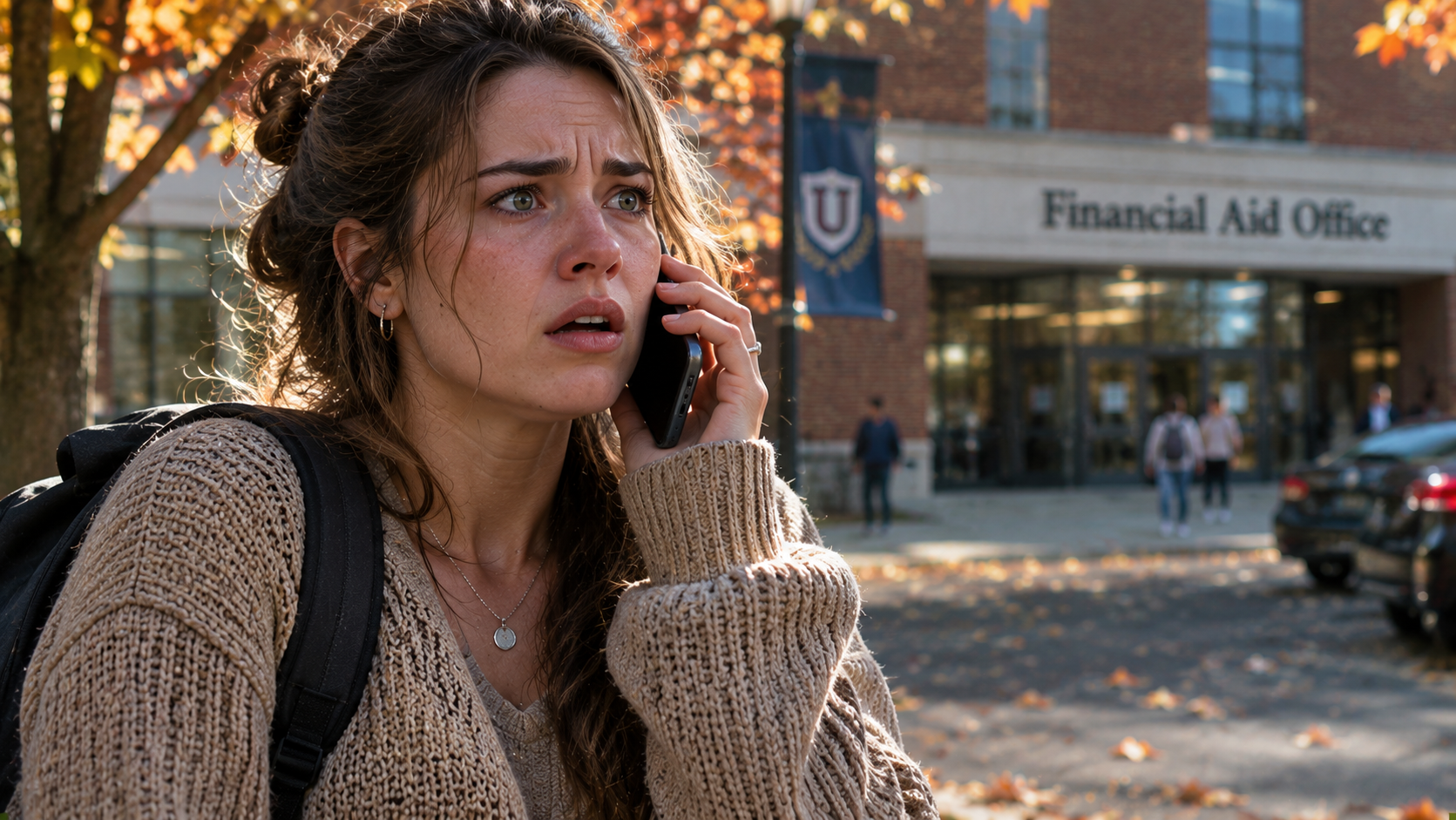
I found out my college fund was gone on a Tuesday afternoon in October, standing in the financial aid office at the University of Vermont. The clerk behind the counter—a woman with kind eyes and a name tag that read ‘Debra’—was explaining that my tuition payment had bounced. Not just bounced. The account had been closed three months earlier.
I called my mother from the parking lot. She didn’t sound surprised. She sounded prepared. ‘I was going to tell you,’ she said, her voice flat. ‘But you were so focused on school. I didn’t want to upset you.’
That was the moment I learned that the $50,000 my grandmother had left me for college had been ‘borrowed’—my mother’s word—to pay for my older brother’s third stint in rehab. And that was just the first betrayal.
The Golden Child and the Invisible Daughter
My brother Danny was always the sun in my mother’s universe. He was two years older, charming, a gifted athlete who could talk his way out of anything. I was the quiet one—the honor roll student who worked part-time at a bookstore and never asked for much. In our house, Danny’s problems were crises. Mine were inconveniences.
When Danny’s opioid addiction spiraled after a football injury, my mother emptied her savings, took out a second mortgage, and eventually drained my college fund—all without telling me. I was a sophomore at the time, living on ramen and work-study checks, while my mother was writing checks for a $30,000 treatment center in Arizona.
‘He’s your brother,’ she said when I confronted her. ‘You can always take out loans. He could die.’
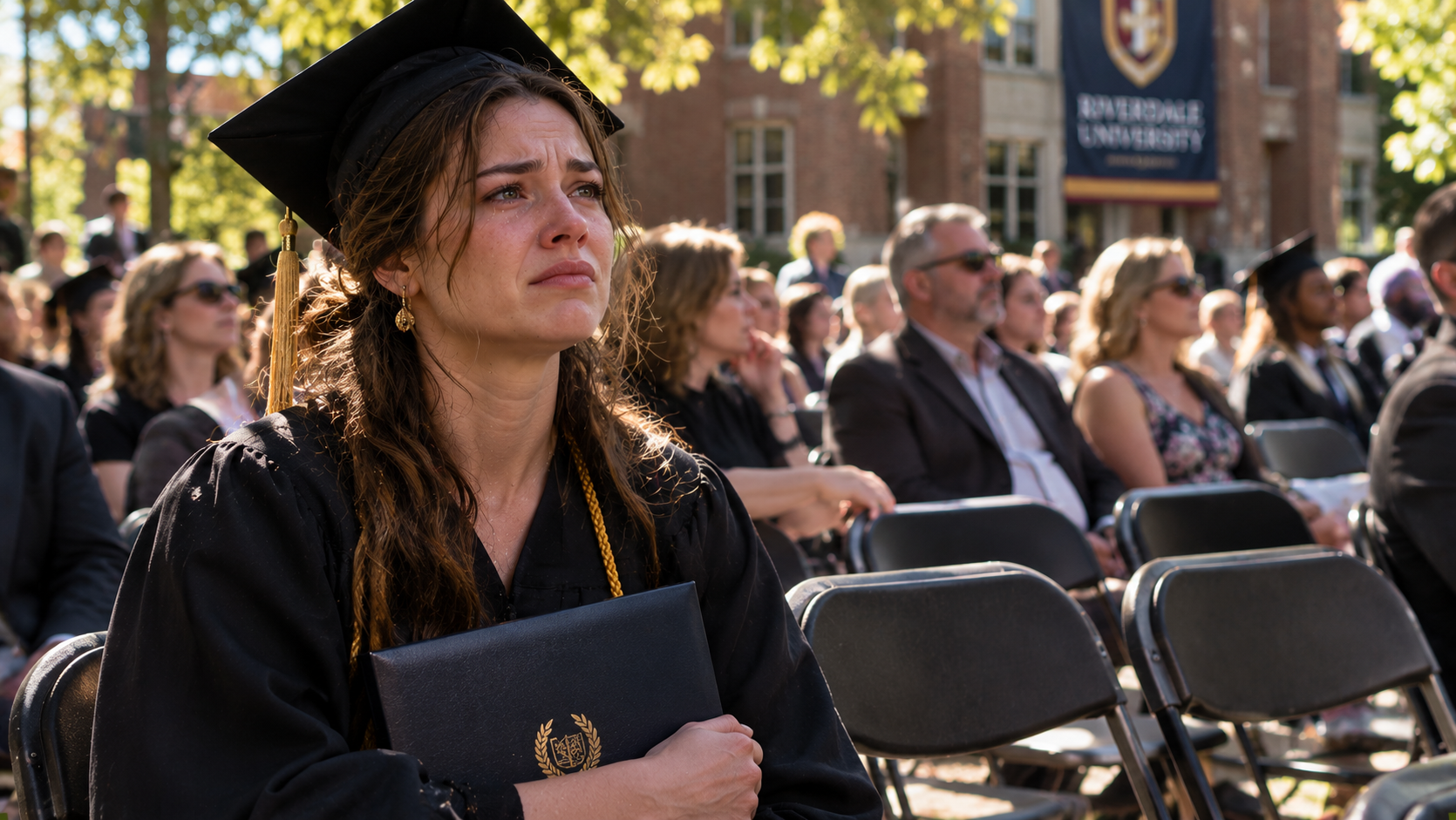
She wasn’t wrong about the loans. I graduated with $42,000 in debt and a bitterness I couldn’t shake. But I also graduated—summa cum laude, with a degree in accounting and a job offer in Boston. I moved out the week after commencement and didn’t look back.
The Relapse and the Request
For three years, I built a life. I rented a tiny apartment in Somerville, worked eighty-hour weeks at a mid-tier accounting firm, and paid down my debt with a ferocity that bordered on obsession. I talked to my mother on holidays. I sent Danny birthday cards. I kept my distance.
Then Danny relapsed. Again.
This time, my mother called me at work. ‘He needs a program in California,’ she said. ‘It’s $25,000. I can’t do it alone.’
I remember the exact moment. I was sitting at my desk, staring at a spreadsheet of client assets, and I felt something in me harden. ‘Mom,’ I said, ‘I don’t have $25,000. I have $8,000 in savings and $34,000 in student loans that I’m still paying off because you stole my college fund.’
She didn’t deny it. She just said, ‘You’re so selfish. You always were.’
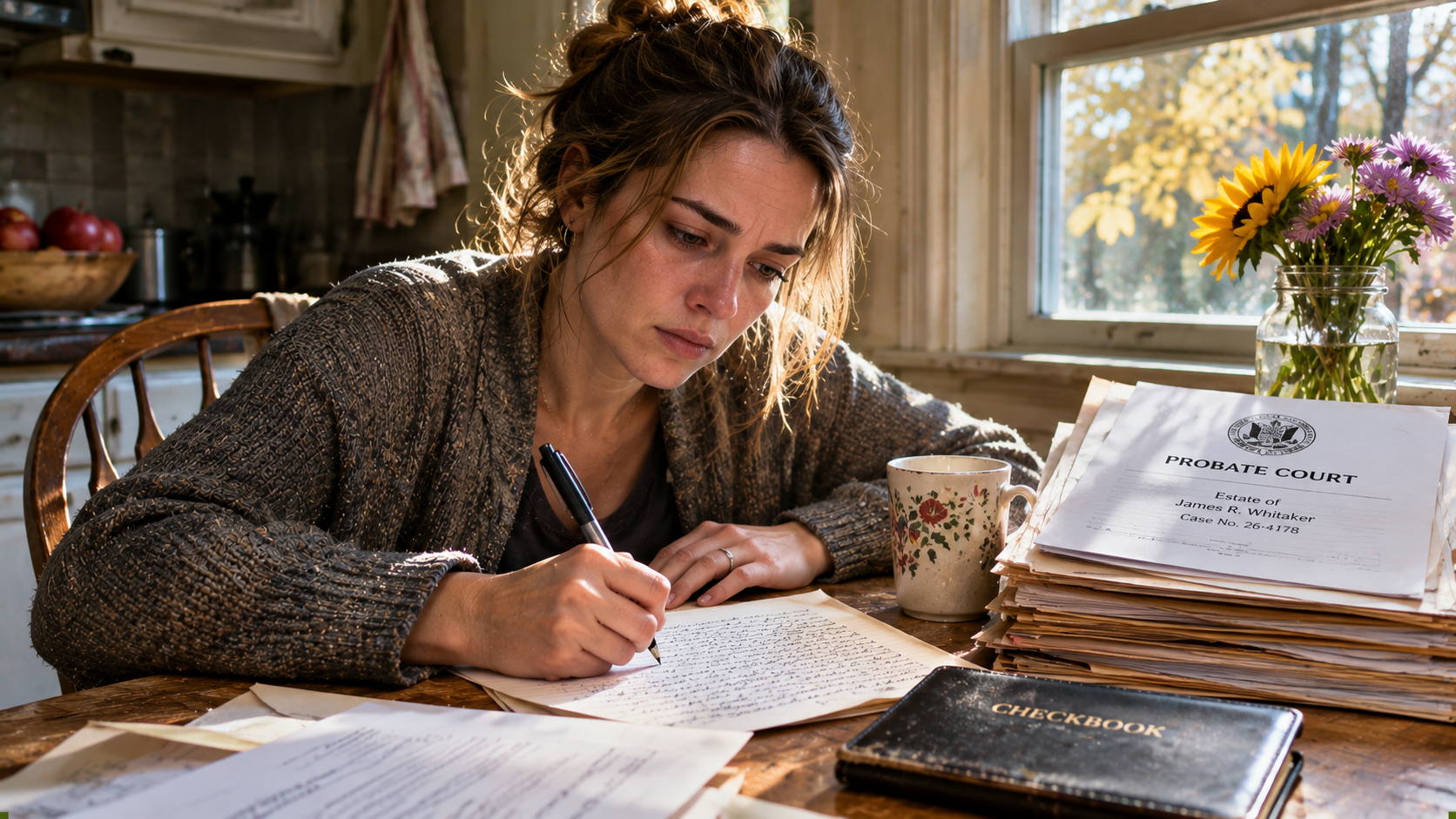
That was the last time we spoke for six months. In that silence, I did something I should have done years earlier: I requested my grandmother’s will from the county probate court. It took four weeks and $35 in fees, but the document arrived in a manila envelope on a Saturday morning.
The Truth in the Fine Print
My grandmother had been specific. The $50,000 was to be held in a trust for my education, with my mother as custodian. But there was a clause—a single sentence buried on page four—that my mother had conveniently ignored: ‘If the beneficiary does not use the funds for educational purposes by age twenty-five, the remaining balance shall be distributed directly to the beneficiary.’
I was twenty-four. The money should have been mine outright the moment I turned twenty-five, but my mother had emptied the account three years earlier. She hadn’t just borrowed the money. She had stolen it—legally, maybe, but morally? That was a different question.
I didn’t sue. I thought about it. I even consulted a lawyer, who told me I had a case but that suing my mother would be ’emotionally expensive.’ Instead, I wrote her a letter. Four pages, handwritten. I told her I forgave her for the money, but I couldn’t forgive her for making me feel like I was worth less than my brother. I told her I needed space—real space—and that I wouldn’t be coming home for Christmas.
The Boundary That Set Me Free
My mother didn’t respond for two months. When she did, it was a voicemail: ‘I’m sorry you feel that way.’ Not ‘I’m sorry I did that.’ Not ‘I’m sorry I made you feel less than.’ Just ‘I’m sorry you feel that way.’ The non-apology of a woman who would never see me as anything but the daughter who failed to save her son.
I didn’t call back.
That spring, I got a promotion. I used the raise to pay off the last of my student loans, and then I started a small college fund for my future children—if I ever have them—with a clause that no one but they can touch. I also started therapy, where I learned that boundaries aren’t punishments. They’re survival.
Danny is still struggling. I check on him occasionally through a cousin. My mother still believes I’m the villain of her story, the daughter who abandoned the family when they needed her most. But here’s what I know: I didn’t abandon them. I saved myself. And that’s not selfish. That’s necessary.
The last time I spoke to my mother, she asked if I’d consider co-signing a loan for Danny’s next treatment. I said no. She called me cold. I said, ‘Maybe. But I’m also free.’
And for the first time in my life, I meant it.
Recommended Stories

At My Wedding, My Mother Stood Up and Announced My Fiancé Was Already Married—Then His ‘Wife’ Walked In and Handed Me a Prenup
My mother stood up at my wedding and announced my fiancé was already married. Then a woman in red handed...
My Mother-in-Law Secretly Recorded My Miscarriage and Played It at My Baby Shower—Then My Husband Found the Recording and Made a Choice That Destroyed Her
My mother-in-law recorded my miscarriage and played it at my baby shower. Then my husband found the hidden folder—and made...

At My Brother’s Wedding, His Best Man Announced He Was Actually Our Half-Brother—Then My Father Collapsed, and the Family Secret Unraveled
A wedding toast turns into a bombshell when the best man reveals he's the groom's half-brother—and the rightful heir to...