I Gave Up My Career to Care for My Ailing Grandmother—Then My Cousin Sold Her House and Kept the $500,000
The Phone Call That Ended My Life as I Knew It
I was sitting in a glass-walled conference room in downtown Chicago, twelve minutes away from presenting a campaign that would have made me the youngest creative director in my agency’s history. My phone buzzed. Then buzzed again. Three missed calls from my mother. I excused myself, heart already pounding, and stepped into the hallway.
“Maya, it’s Grandma Ruth,” Mom said, her voice cracking. “She had a stroke. They don’t know if she’ll walk again. She’s asking for you.”
I was thirty-two years old, living in a one-bedroom apartment I loved, dating a man I loved even more. My grandmother, Ruth Eleanor Vance, had raised me while my mother worked double shifts in Youngstown, Ohio. Grandma Ruth taught me to read, to bake bread, to believe in myself when no one else did. She was the one who scraped together $200 for my first portfolio when I was seventeen.
I was on a plane to Ohio by 6 p.m.
What I found was worse than I imagined. Grandma Ruth, the woman who once chased a raccoon out of her garden with a broom, lay in a hospital bed, her left side paralyzed, her speech slurred. But her eyes—those sharp, knowing eyes—lit up when I walked in.
“Maya,” she whispered. “You came.”
“Of course I came, Grandma.”
My cousin Derek was already there, leaning against the wall with his arms crossed. Derek was forty-five, perpetually between jobs, and had always viewed Grandma Ruth’s three-bedroom house in the suburbs of Columbus as his personal inheritance. He’d been circling it for years.
“About time,” Derek said. “Someone needs to figure out what to do with her. I can’t be here all day—I’ve got a business meeting.”
He didn’t have a business meeting. He never did.

The Sacrifice Nobody Asked For—But Somebody Had to Make
Within a week, I made a decision that would cost me nearly everything. I quit my job. I sublet my apartment. I broke up with my boyfriend—not because he didn’t offer to help, but because I couldn’t ask him to put his life on hold for a situation with no end date.
Grandma Ruth needed round-the-clock care. Medicare would cover some physical therapy, but not the daily assistance she required. Derek, of course, had an excuse for everything.
“I’ve got creditors breathing down my neck,” he said, not meeting my eyes. “You’re the one with the fancy job. You can afford to take a break.”
I didn’t have a fancy job anymore. I had a savings account with $18,000 and a grandmother who needed me. So I moved into Grandma Ruth’s spare bedroom, converted the living room into a recovery space, and learned how to bathe, dress, and feed the woman who had once done all those things for me.
For two years, I was her caregiver. I cooked her meals. I read her Agatha Christie novels. I held her hand through the tremors and the tears. I watched her slowly reclaim her speech, her mobility, her dignity. And through it all, Derek visited exactly seven times—usually when he needed money.
“She’s got that house,” Derek said one afternoon, standing in the kitchen while Grandma Ruth napped. “She’s got a pension. She’s not poor, Maya. You don’t need to act like some kind of saint.”
“I’m not acting like anything,” I said. “I’m taking care of her.”
“Right,” Derek said, his jaw tightening. “Well, don’t get too comfortable. That house is half mine. My dad was her son too.”
I knew that wasn’t true. Grandma Ruth had told me years ago that she’d already put the house in a trust—for me. “You’re the only one who ever came back,” she’d said. “You’re the one who deserves it.”
But I didn’t have the paperwork. And I didn’t have the heart to fight about it while she was still alive.
The Sale That Broke My Heart—And Woke Me Up
Grandma Ruth died on a Tuesday in October, three years after her stroke. She went peacefully, in her sleep, with me holding her hand. I was thirty-five years old. I had no job, no savings left, and no idea what to do next.
I gave myself two weeks to grieve. Then I started looking for work. I was in the middle of updating my resume when a neighbor called.
“Maya, honey, I’m so sorry about Ruth,” she said. “But I saw a ‘For Sale’ sign in her yard this morning. Did you list the house?”
My blood ran cold.
I drove to the house. The sign was there, all right—along with a lockbox on the front door. I called the number on the sign. The realtor answered on the second ring.
“Oh, you’re the granddaughter?” she said. “Your cousin said you were aware of the sale. He said you’d already moved out and signed off on everything.”
“I did not sign anything,” I said, my voice shaking. “I want that lockbox off the door. Now.”
Derek had forged my signature. He had gone to court, presented an old power of attorney that Grandma Ruth had signed years ago—before I even moved in—and sold her house for $500,000. He’d pocketed the proceeds and fled to Florida. The house had been the only asset in the trust. And the trust had been named to me.

The Evidence That Changed Everything
I hired a lawyer named Janet Okonkwo, a sharp-eyed woman in her fifties who specialized in elder law. She took one look at the trust documents and smiled.
“This is airtight,” she said. “Your grandmother set up an irrevocable trust in 2016. You’re the sole beneficiary. Derek had no legal standing to sell the house, and that power of attorney was revoked two years before she died. He forged the dates.”
But we needed proof. And proof came from an unlikely source: Grandma Ruth’s old landline, which I’d kept active because I couldn’t bear to cancel it. There was a voicemail from Derek, left the day before he sold the house.
“Hey, it’s me,” his voice crackled. “I found the trust papers. You know the ones. I’m going to take care of it. Don’t worry about Maya—she’s too busy playing nurse to notice anything.”
He’d accidentally left the message on the wrong voicemail. He’d meant to call his girlfriend. Instead, he’d called Grandma Ruth’s phone—and confessed everything.
Janet filed a lawsuit for fraud, forgery, and breach of fiduciary duty. Derek, now living in a rented condo in Tampa, didn’t even show up to court. The judge ruled in my favor within three weeks. The sale was voided. The house was returned to the trust. And Derek was ordered to repay the $500,000 in full, plus damages.
The Justice That Tasted Bittersweet
I didn’t get the house back—the buyer had already moved in, and the judge ruled that they were a victim of Derek’s fraud, not a co-conspirator. But I got the money. All of it. And Derek got something else: a criminal investigation that resulted in felony fraud charges. He’s currently serving eighteen months in a Florida state prison.
I used the $500,000 to do something I never thought I could: I started my own creative agency. I work with small businesses, nonprofits, and artists. I set my own hours. I take care of myself.
And I finally understood what Grandma Ruth had been trying to teach me all those years. She didn’t need me to be a martyr. She needed me to be brave. She needed me to fight for what was right—even when it was hard. Even when it cost me everything.
I still miss her every day. But when I walk into my office each morning, I feel her presence. She’s the voice in my head that says, “You came. You did the right thing.”
And that’s worth more than any house.

What I Learned About Family, Money, and Justice
If there’s one thing I want you to take away from this story, it’s this: family will sometimes betray you in ways you never thought possible. But you don’t have to let them win.
Here’s what I wish someone had told me three years ago:
- Document everything. Every conversation, every promise, every transaction. I never thought I’d need proof against my own cousin. I was wrong.
- Trust your instincts. I knew Derek was trouble. I knew he was eyeing the house. But I let guilt and politeness keep me quiet. Don’t do that.
- Get legal advice early. I waited until it was almost too late. If Grandma Ruth’s trust hadn’t been airtight, I might have lost everything.
- You are not obligated to be a martyr. I gave up my career, my savings, and my relationship to care for my grandmother. I don’t regret it—but I also know now that I could have set boundaries. I could have asked for help. I could have said no.
Most of all, I learned that justice doesn’t always come quickly or easily. But it does come. And when it does, it tastes like victory—even if it’s bittersweet.
I still think about Derek sometimes. Not with anger, but with a kind of sad pity. He threw away his family for money. He’s sitting in a prison cell while I’m building a life. And I wonder if he ever thinks about the voicemail—the one that ended everything.
I hope he does.
Because that’s the thing about family betrayals: they don’t just hurt you. They reveal who people really are. And sometimes, the person who betrayed you was never the person you thought they were at all.
Recommended Stories

At My Brother’s Wedding, His Best Man Announced He Was Actually Our Half-Brother—Then My Father Collapsed, and the Family Secret Unraveled
A wedding toast turns into a bombshell when the best man reveals he's the groom's half-brother—and the rightful heir to...
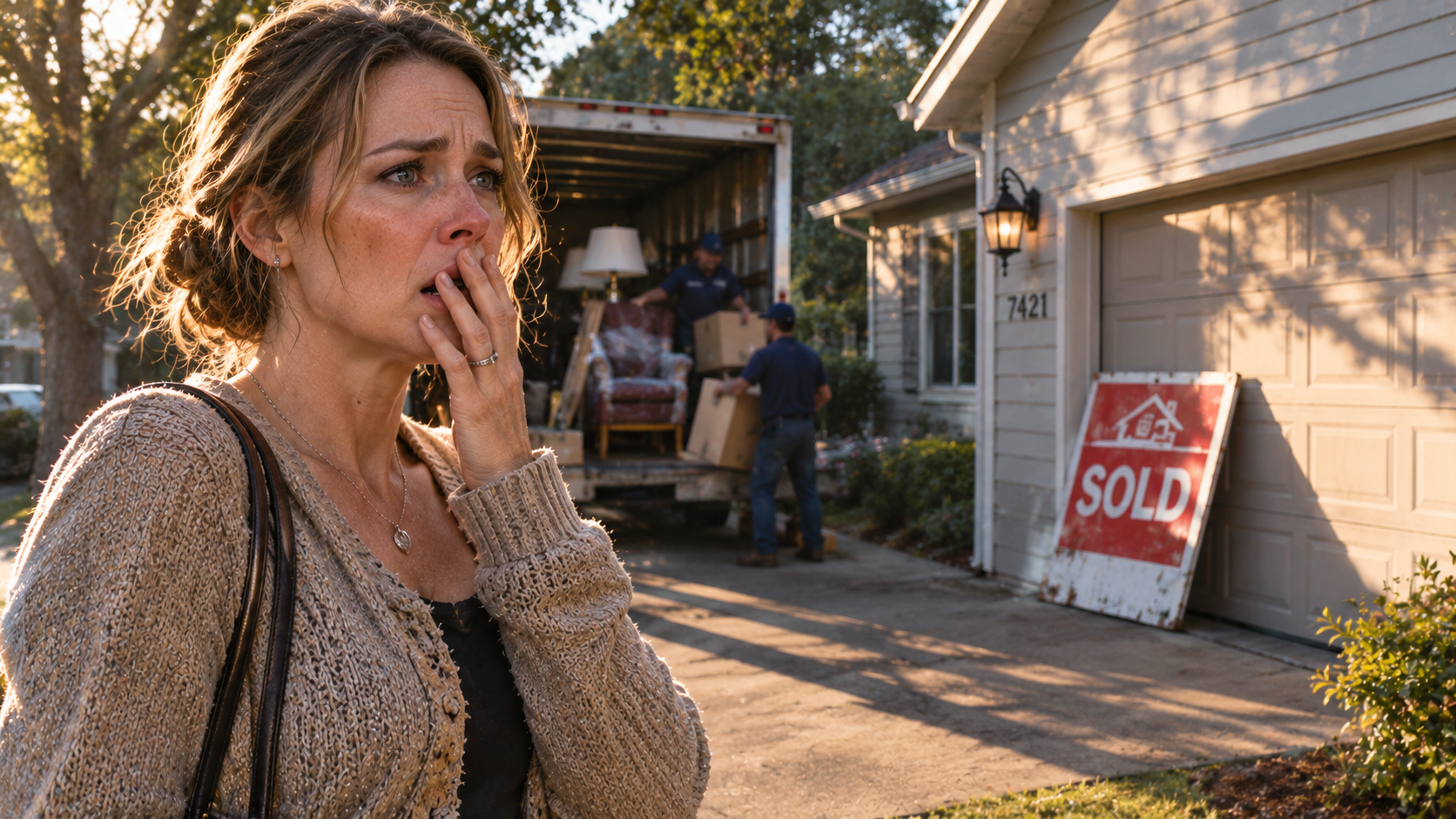
My Stepmother Sold My Childhood Home Without Telling Me—Then I Found a Hidden Safe in the Basement That Contained My Mother’s Will
My stepmother sold my childhood home without telling me—then I found a hidden safe in the basement that contained my...
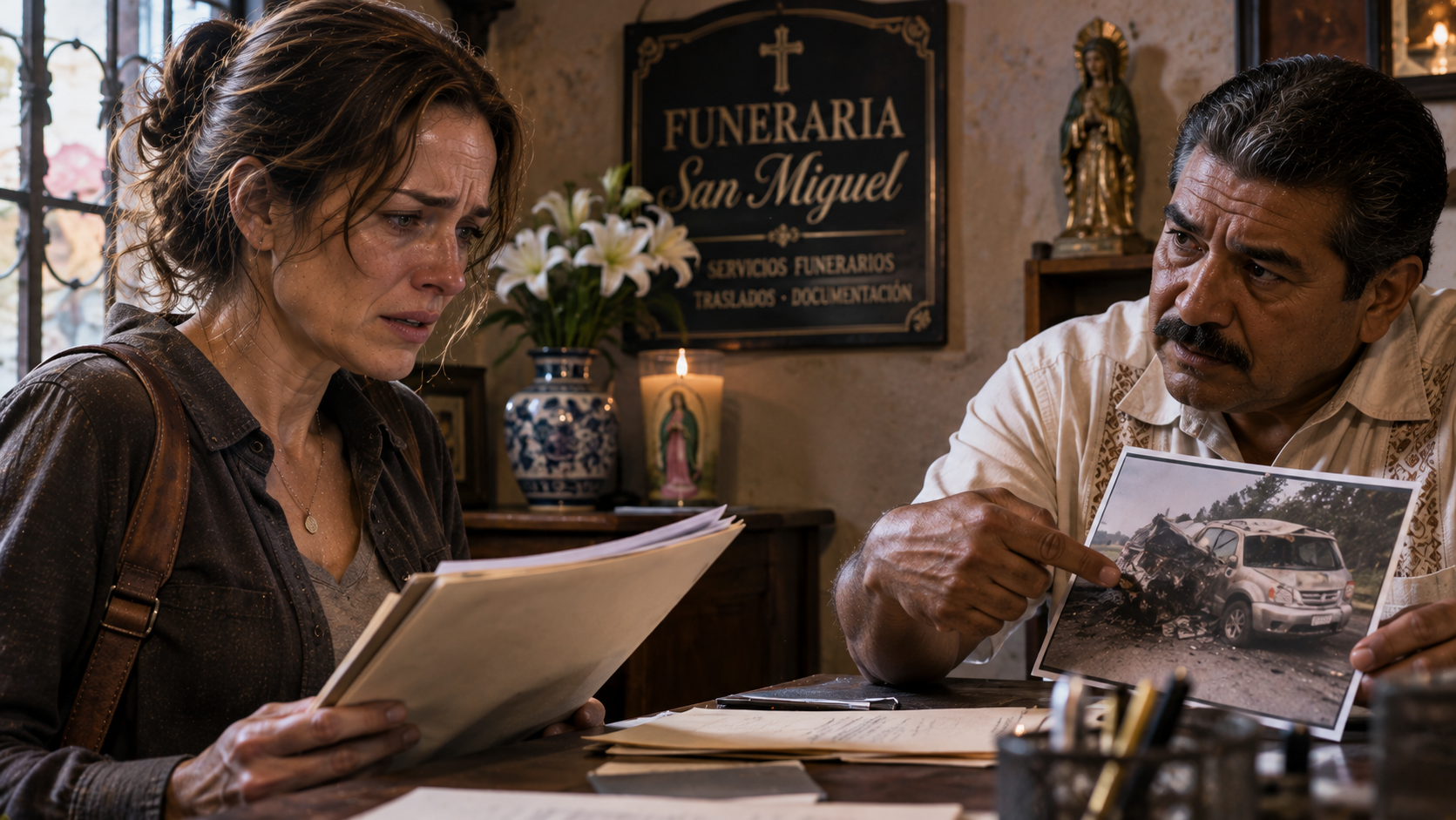
My Brother Stole My Identity to Take Out Loans—Then He Faked His Own Death and Left Me with the Debt and a Funeral to Plan
When my brother died in a car crash, I thought my world had ended. Then I found the loan documents...