My Aunt Claimed My Grandmother’s ‘Worthless’ Jewelry Was Fake—Then a Museum Curator Offered Me $500,000 for the ‘Costume’ Pieces
The Box That Wasn’t Supposed to Matter
My grandmother’s dying wish was simple: she wanted me to have the blue velvet box from her dresser. I was twenty-six, working two jobs to pay off student loans, and I didn’t think much of it when my aunt Diane handed it to me at the funeral reception. “Just some old costume jewelry,” she said, her voice dripping with fake sympathy. “Nothing valuable, but you know how sentimental Grandma was.”
I believed her. Why wouldn’t I? Diane had always been the family expert on everything—antiques, real estate, you name it. She’d spent years telling anyone who’d listen that Grandma’s collection was “garage-sale quality.” So I shoved the box in my closet and forgot about it for three years.
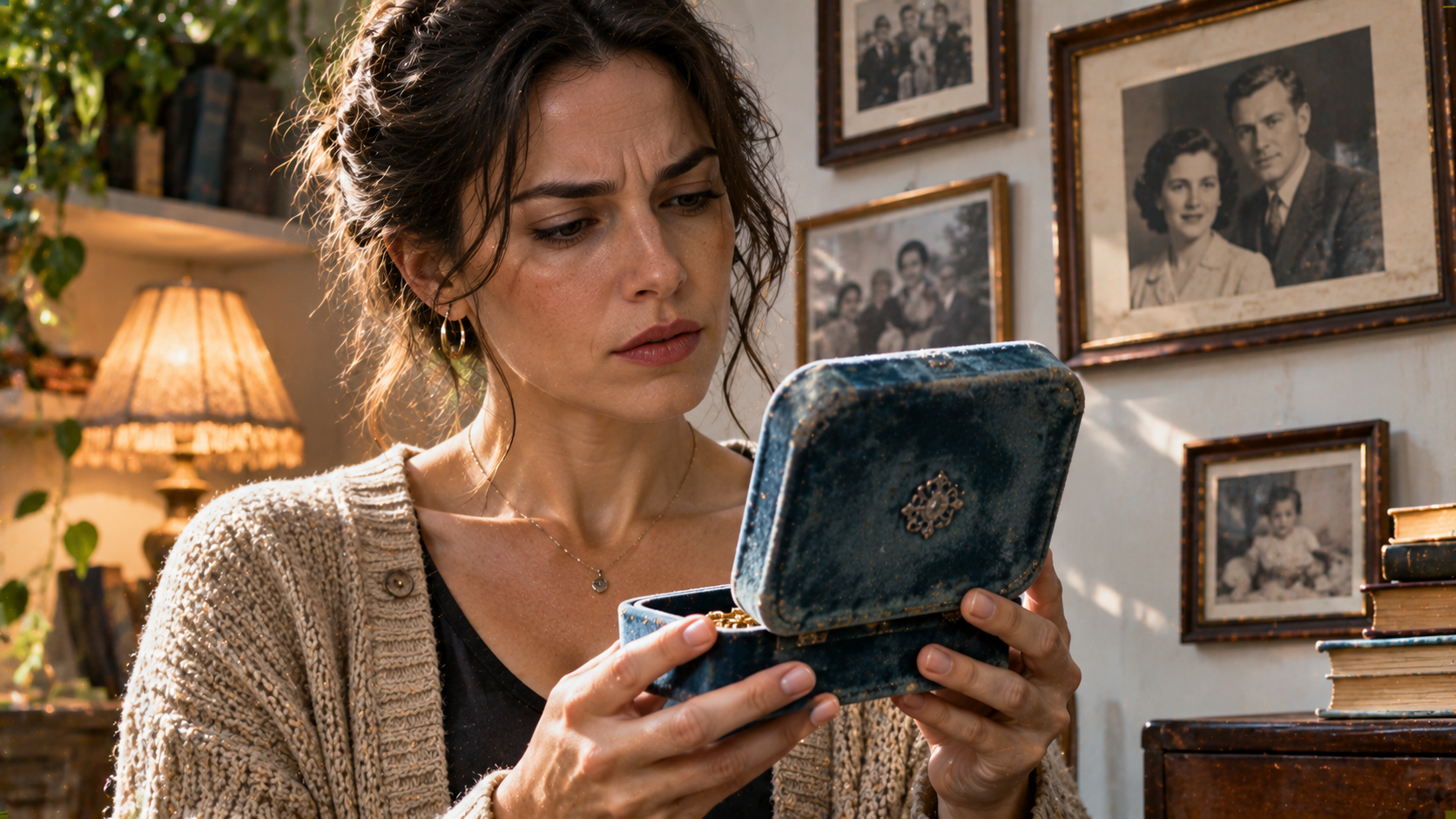
Then I lost my job. The marketing firm I worked for downsized, and suddenly I was staring at a mountain of bills with no safety net. That’s when I remembered the box. Maybe there was something in there—even a few hundred dollars would help.
The ‘Costume’ Pieces That Didn’t Add Up
I opened the box on my kitchen table and spread the pieces out under the light. A pearl necklace, a gold brooch with a strange crest, a diamond ring that looked almost too perfect, and a pair of emerald earrings. They felt heavy. Real. But what did I know? I was a marketing major, not a jeweler.
Still, something nagged at me. The clasp on the pearl necklace had tiny hallmarks I’d never seen before. The brooch had a maker’s mark that looked like a tiny crown. I took a few photos with my phone and posted them on an antique jewelry forum, asking if anyone recognized the style. Within an hour, a user named “VintageVulture” replied: “Where did you get these? Those aren’t costume. That’s Victorian-era craftsmanship. Get them appraised immediately.”
My heart started pounding. I called the local museum the next morning and asked if they had a jewelry curator who could take a look. They transferred me to Dr. Eleanor Hayes, a woman with a voice so calm it made me nervous.
“Bring them in,” she said. “I’ll see you at two.”
The Curator’s Shocking Offer
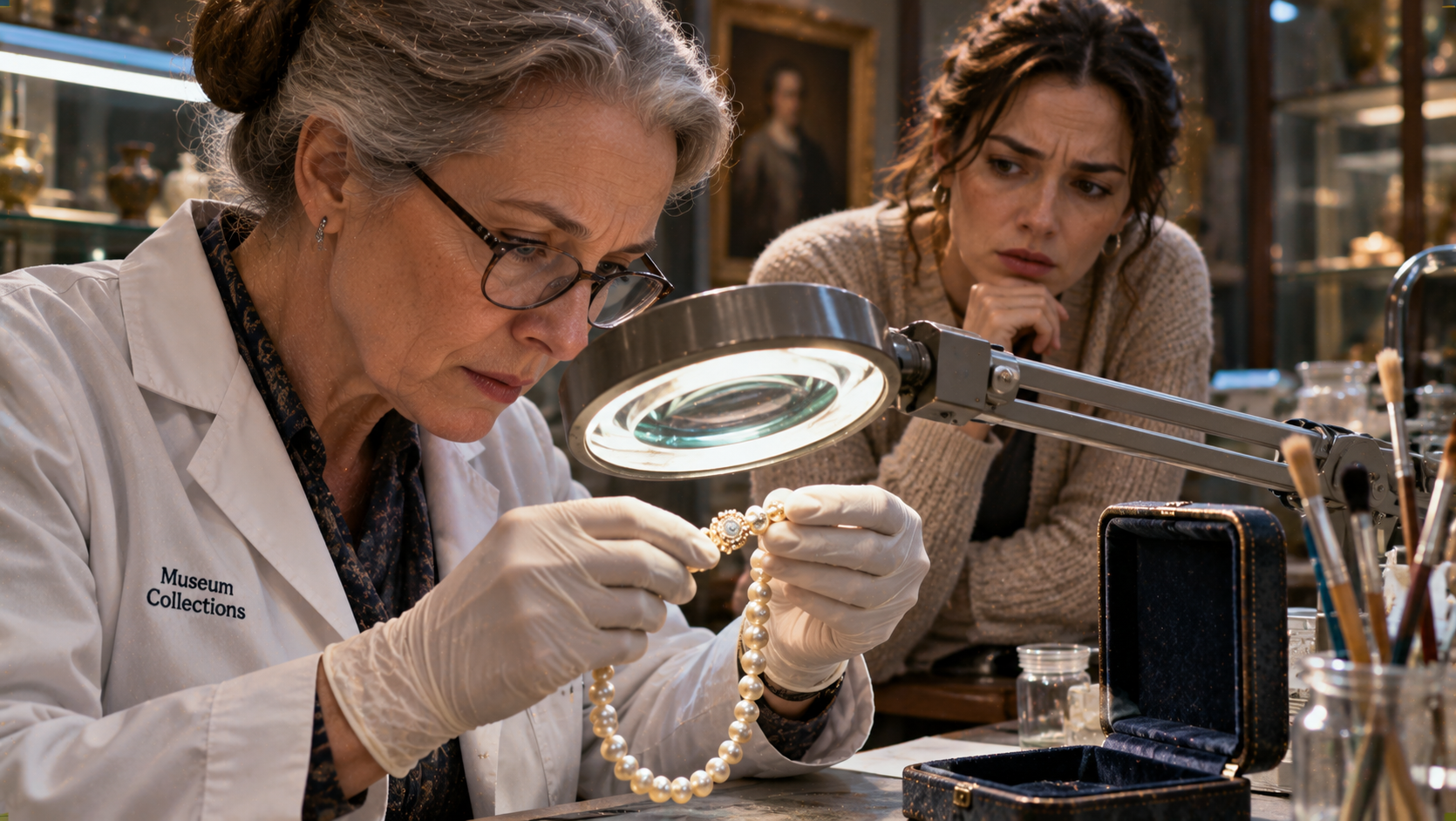
Dr. Hayes spent forty minutes examining the pieces under a magnifying lamp. She didn’t say a word. Then she looked up at me, her eyes wide. “Do you know what you have here?”
I shook my head.
“This pearl necklace belonged to a European royal family in the 1890s. The brooch is a Fabergé piece—one of only a handful known to exist. And this ring? The diamond is a three-carat antique cushion cut, flawless. The emeralds are Colombian, untreated.” She paused. “I can’t give you a formal appraisal without more research, but off the record? This collection could easily fetch half a million dollars at auction. Maybe more.”
I nearly fell off my chair. “My aunt told me they were fake. She said they were worthless.”
Dr. Hayes frowned. “Who is your aunt?”
“Diane Coleman. She’s an antique dealer in town.”
The curator’s expression hardened. “I know Diane. She came to me two years ago with a similar collection. Asked me to appraise it quietly. I told her it was valuable, but she never came back. I assumed she’d sold it privately.”
My blood ran cold. Diane had tried to sell my inheritance behind my back.
The Paper Trail That Exposed the Lie
I didn’t confront Diane right away. I needed proof. I hired a lawyer, and we requested the estate records from my grandmother’s probate. That’s when we found it: a signed document from Diane, dated six months after the funeral, claiming the jewelry had been “assessed as costume and disposed of accordingly.” She’d filed it with the court, swearing under penalty of perjury that the pieces were worthless.
But the appraisal she’d attached was a forgery. The appraiser’s name was fake. The letterhead didn’t exist. Diane had fabricated the entire thing to cover her tracks.
We also discovered she’d taken out a $50,000 loan against her own house around the same time—right after she’d been told the jewelry was worth a fortune. She’d probably planned to sell the pieces and pay off her debts, but something had stopped her. Maybe she couldn’t find a buyer. Maybe she got scared. Either way, she’d lied to me and to the court.
The Family Meeting That Turned Into a Reckoning
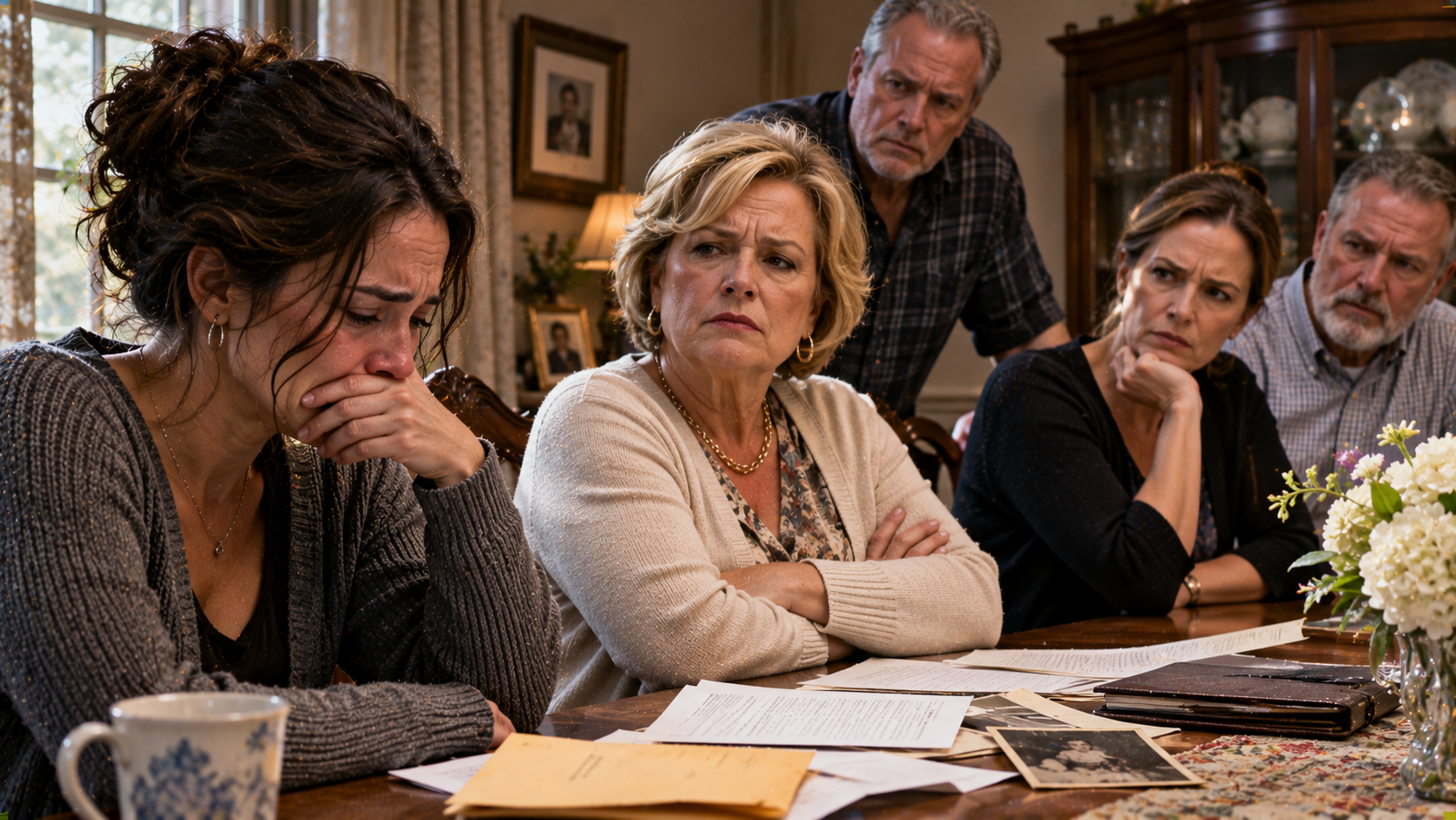
I called a family meeting at my parents’ house. Diane showed up in her usual designer blouse, already defensive. “What’s this about?” she snapped.
I laid the documents on the table. “You told me Grandma’s jewelry was fake. You told the court it was worthless. But Dr. Hayes says it’s worth half a million dollars. And she remembers you trying to sell it.”
Diane’s face went white. “That’s a lie. She’s confused.”
“Then explain this.” I slid the forged appraisal across the table. “You signed this. You swore it was real. But the appraiser doesn’t exist. You made it up.”
My mother gasped. My father just stared at his sister like he’d never seen her before.
Diane tried to stammer an excuse—something about needing money, about how I didn’t appreciate the pieces anyway—but the room had turned against her. My uncle, who’d always defended her, shook his head. “You stole from your own niece. From your mother’s memory.”
She left in tears, but I didn’t feel sorry for her. I felt free.
What the Jewelry Taught Me
I ended up selling two of the pieces at auction—the brooch and the ring—for a total of $380,000. I kept the pearl necklace and the emerald earrings. They’re in a safe deposit box now, but someday I’ll pass them down to my own daughter, with the whole story.
Diane never apologized. She moved to Florida and stopped speaking to most of the family. But I learned something important: the people who tell you something is worthless are often the ones who want it for themselves. My grandmother knew that. That’s why she gave the box to me, not to Diane.
Sometimes I think about that day at the funeral, when Diane handed me the box with a smirk. She thought she’d won. She thought I’d never know. But the truth has a way of shining through—even through a layer of fake pearls and forged paper.
And now, whenever I see a piece of costume jewelry at a flea market, I don’t just walk past. I look closer. Because you never know what someone might be hiding—or what they’re trying to take from you.
Recommended Stories
At My Wedding, My Mother Gave a Toast That Exposed My Father’s 30-Year Affair—Then His Mistress Stood Up
At my wedding, my mother exposed my father's 30-year affair during her toast—then his mistress stood up. The truth that...
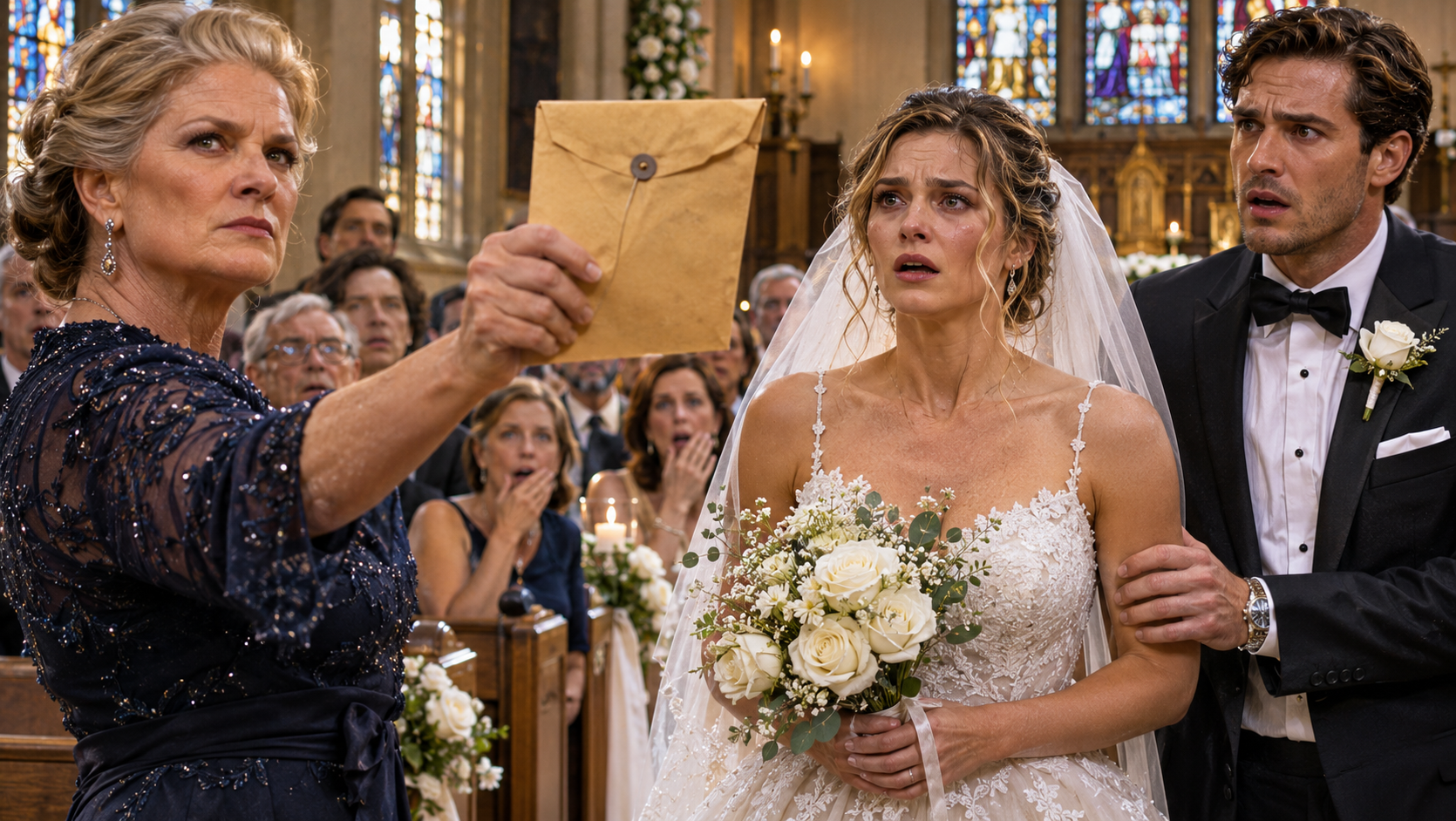
At My Wedding, My Mother Stood Up and Announced My Fiancé Was Already Married—Then His ‘Wife’ Walked In with a Baby
My mother stood up at my wedding and announced my fiancé was already married. Then his wife walked in with...
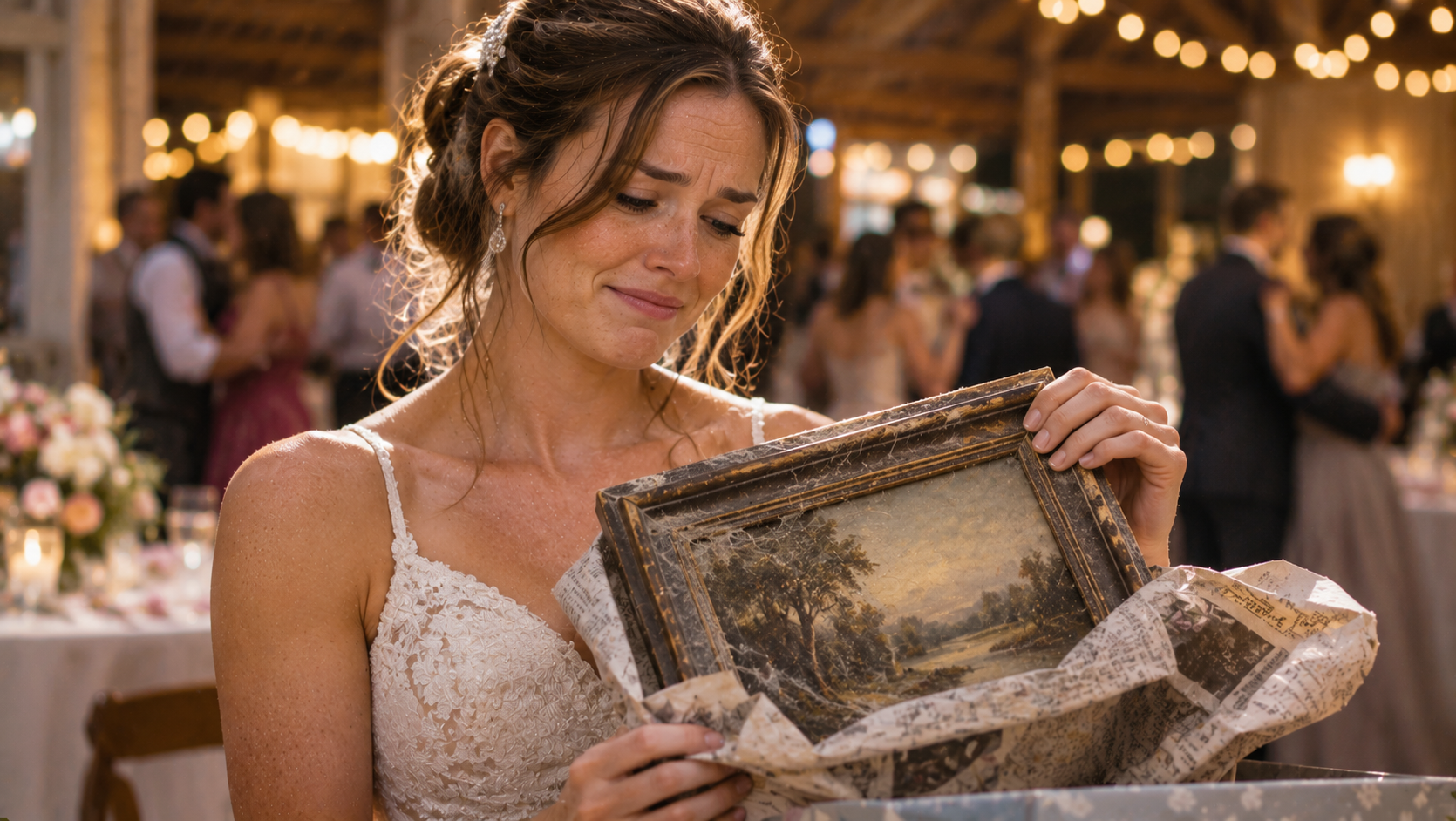
My Mother Gave Me a ‘Worthless’ Painting for My Wedding—Then an Art Dealer Offered Me $250,000 Because It Was a Stolen Masterpiece
My mother gave me a 'worthless' painting for my wedding. Then an art dealer offered me $250,000—because it was a...