My Brother Sold My Vintage Car Collection for $10,000—Then I Found Out It Was Worth $500,000 and Sued Him
The Phone Call That Ended My World
I was three time zones away, standing in a sterile hotel room in Chicago, when my brother Danny called. His voice had that careless, breezy tone he always used when he was about to drop a bomb. ‘Hey, sis, I did you a favor,’ he said. ‘I sold all that old junk in your garage. Got ten grand for it. You’re welcome.’
My heart stopped. ‘What old junk?’ I asked, already knowing the answer.
‘Those rusty cars you’ve been hoarding for years. The ones Dad left you. They were taking up space, and a guy offered cash. I needed the money, so I took it.’
I sank onto the bed, my hands trembling. Those ‘rusty cars’ were a 1967 Shelby GT500, a 1955 Mercedes 300SL Gullwing, and a 1969 Chevrolet Camaro Z/28—a collection my father had spent thirty years assembling. He’d left them to me in his will, with a note: ‘These are your future, sweetheart. Don’t ever sell them cheap.’
Danny had just sold them for $10,000. The true value? Over half a million dollars.
The Inheritance I Never Wanted to Touch
My father, Frank, was a mechanic who loved classic cars more than anything—except me. He spent weekends tinkering in our garage in Bakersfield, California, teaching me the difference between a carburetor and a fuel injector. When he passed away three years ago, he left me the cars and the house. Danny got the savings account—$50,000—which he blew through in six months.
I couldn’t bear to sell the cars. They were my dad’s legacy, his passion. I kept them in the garage, under tarps, telling myself I’d restore them someday. I was a nurse, working long shifts, raising two kids on my own after my divorce. The cars sat there, gathering dust.
Danny, on the other hand, was always a schemer. He’d been in and out of jobs, always hustling, always borrowing money. After Dad died, he’d asked to ‘store some things’ in my garage. I said yes, thinking he meant boxes. Instead, he’d been eyeing the cars.
The ‘Favor’ That Cost Me a Fortune
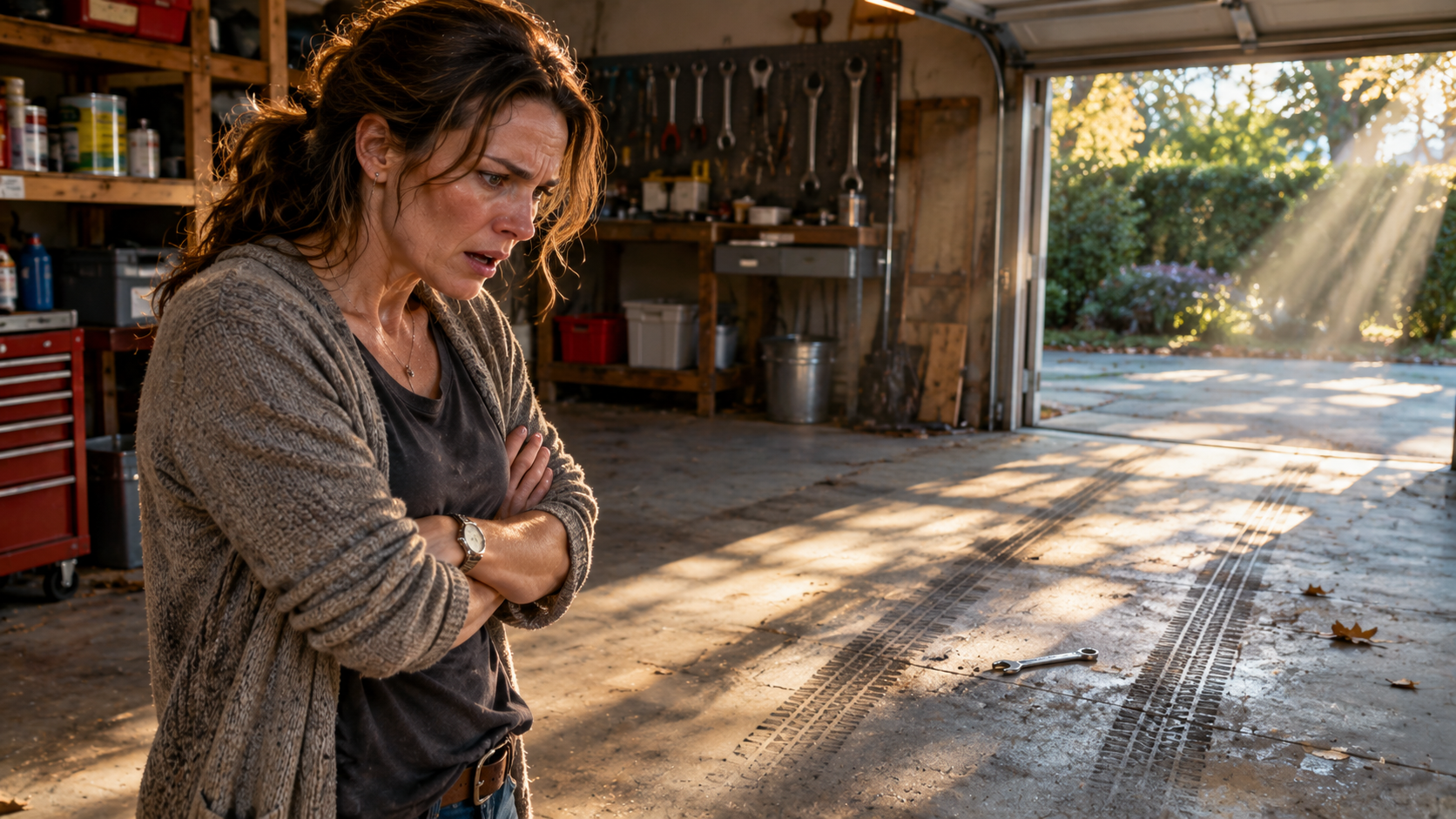
When I got home two days later, the garage was empty. The tarps were crumpled on the floor. My father’s tools were scattered. I called Danny, screaming. He laughed. ‘Relax, Sarah. Those cars were rust buckets. You should be thanking me. I got you ten grand for scrap.’
I didn’t believe him. I called a classic car appraiser, a guy my dad used to know, named Lou. He came over, looked at the empty garage, and turned pale. ‘Sarah, those cars—the Shelby alone was worth $250,000. The Gullwing? Another $200,000. The Camaro? $75,000. Together, they were a museum piece.’
I felt the floor drop out from under me. ‘Danny sold them for ten grand,’ I whispered.
Lou shook his head. ‘He got robbed. Or he’s lying. Either way, you need a lawyer.’
The Paper Trail That Broke the Case
I hired a lawyer, a sharp, no-nonsense woman named Patricia. She dug into Danny’s life and found a trail of deceit. The buyer was a shady dealer from Los Angeles who’d paid Danny $10,000 in cash—but the bill of sale listed the cars as ‘junk vehicles, sold as-is.’ Danny had forged my signature on the title transfers.
Patricia also discovered that Danny had been bragging to friends about the sale. One of them, a guy named Marcus, had recorded a conversation. In it, Danny said, ‘My sister’s too stupid to know what those cars were worth. I’m gonna flip ’em and keep the profit.’
But here’s the twist: Danny didn’t flip them. The dealer, a man named Sal, had already sold the Shelby to a collector in Texas for $300,000. The Gullwing was on its way to an auction in Europe. The Camaro was still in Sal’s showroom.
Patricia filed a lawsuit against both Danny and Sal for fraud, forgery, and conversion. She also alerted the police. Danny was arrested for grand theft auto and forgery. He posted bail, but his life unraveled. His wife left him, taking their kids. His friends turned their backs. He called me, sobbing, begging me to drop the charges. ‘We’re family, Sarah. You can’t do this to me.’
I said, ‘You did this to yourself, Danny. You sold our father’s legacy for ten grand. You forged my name. You laughed at me. Now you’ll face the consequences.’
The Courtroom Showdown
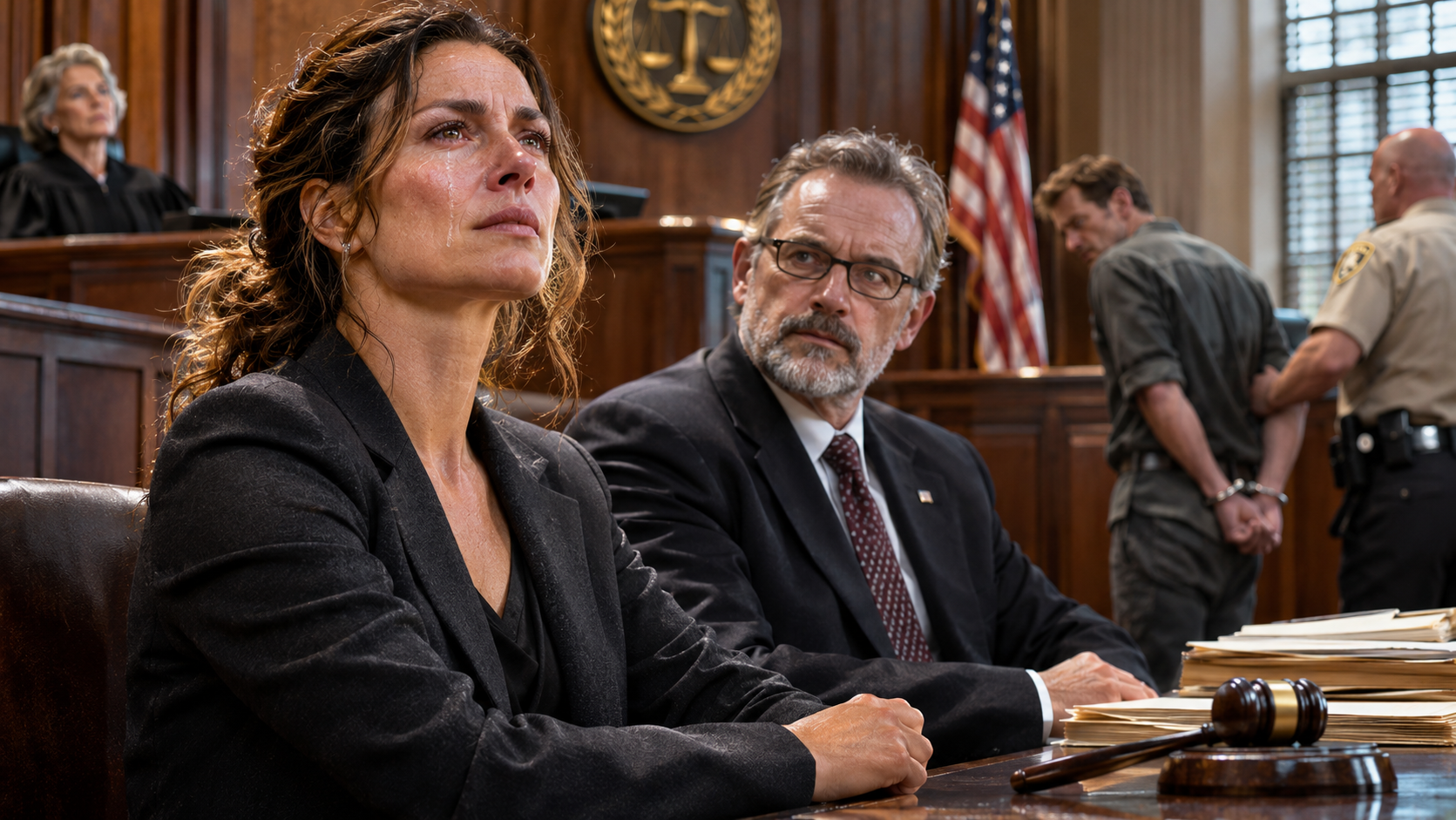
The trial was a circus. Danny showed up in a cheap suit, looking haggard. His lawyer argued that Danny had ‘misunderstood’ the value of the cars and that he was ‘helping’ me by clearing out the garage. But Marcus’s recording was played. The courtroom gasped. Even the judge looked disgusted.
Sal, the dealer, testified that Danny had lied about owning the cars outright. ‘He said his sister gave him permission. He had the titles. I didn’t know they were forged.’ Sal agreed to return the Camaro and pay $50,000 in restitution to avoid criminal charges. The Shelby was recovered from Texas—the collector, unaware of the fraud, surrendered it after a legal battle. The Gullwing was intercepted at the port before it shipped to Europe.
Danny was convicted of forgery and grand theft. He was sentenced to two years in prison, followed by five years of probation. He was also ordered to pay me $150,000 in restitution—the difference between the cars’ value and what was recovered.
The Aftermath and a Final Twist
I got the cars back, but they needed restoration. I sold the Gullwing at auction for $220,000—enough to pay off my mortgage and set up a college fund for my kids. I kept the Shelby and the Camaro, restoring them slowly, with Lou’s help. Every time I turn a wrench, I feel my dad beside me.
Danny served eighteen months. When he got out, he tried to reconcile, but I couldn’t. The betrayal was too deep. He moved to another state, and I haven’t spoken to him since.
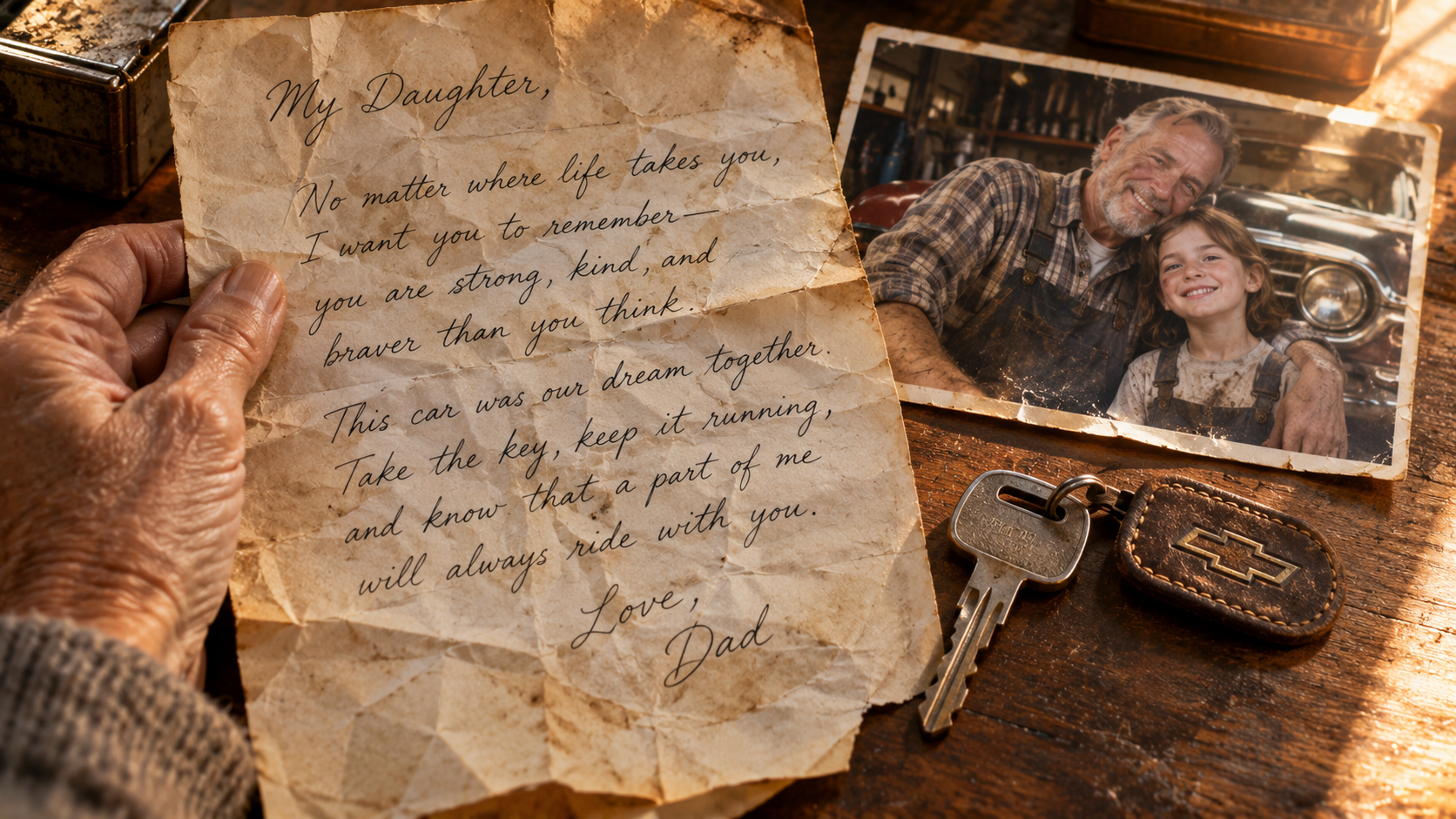
But here’s the twist that still haunts me: Six months after the trial, I found a letter in my dad’s old toolbox. It was dated a week before he died. It read: ‘Sarah, if Danny ever tries to sell the cars, don’t let him. He’s always been jealous of you. I love you both, but you’re the one who deserves them. I hope you never have to read this.’
My dad knew. He knew Danny would try something. And he trusted me to fight back.
I did. And I won.
What I Learned
Family isn’t just blood. It’s trust. Danny broke that trust for $10,000. I fought back not just for the money, but for my father’s memory and for my own dignity. The cars are more than metal and chrome—they’re a reminder that some things are worth fighting for, and some people aren’t worth forgiving.
If you’re facing a similar betrayal, don’t stay silent. Document everything, hire a lawyer, and stand your ground. The truth has a way of coming out—and justice, even if it’s slow, is worth the wait.
Recommended Stories
My Brother ‘Borrowed’ My Identity to Get a Passport and Flee the Country—Then I Got a Call from the FBI
A quiet Tuesday turns into a nightmare when the FBI calls: my brother stole my identity to flee the country....
At My Wedding, My Mother-in-Law Announced She Was Pregnant—Then My Father Stood Up
A wedding toast turns into a confession: my mother-in-law is pregnant, and my father is the father. The fallout shatters...
At My Wedding, My Mother Gave a Toast That Exposed My Father’s 30-Year Affair—Then His Mistress Stood Up
At my wedding, my mother exposed my father's 30-year affair during her toast—then his mistress stood up. The truth that...