My Mother-in-Law Gave Me a ‘Worthless’ Brooch on My Wedding Day—A Pawn Shop Owner Turned Pale When He Saw It
My mother-in-law, Diane, has a way of smiling that never reaches her eyes. I noticed it the first time I met her, three years before I married her son, Mark. She looked me up and down—my off-brand shoes, my clearance-rack dress—and said, “Well, aren’t you… resourceful.”
I should have run then. But I was twenty-six and in love, and I believed that love could soften even the hardest woman. It didn’t.
On our wedding day, Diane stood in the receiving line in a beaded navy gown, holding a small velvet box. When my turn came, she pressed it into my hands with a tight smile.
“Every bride in this family gets one,” she announced loudly enough for the guests to hear. “It’s a tradition.”
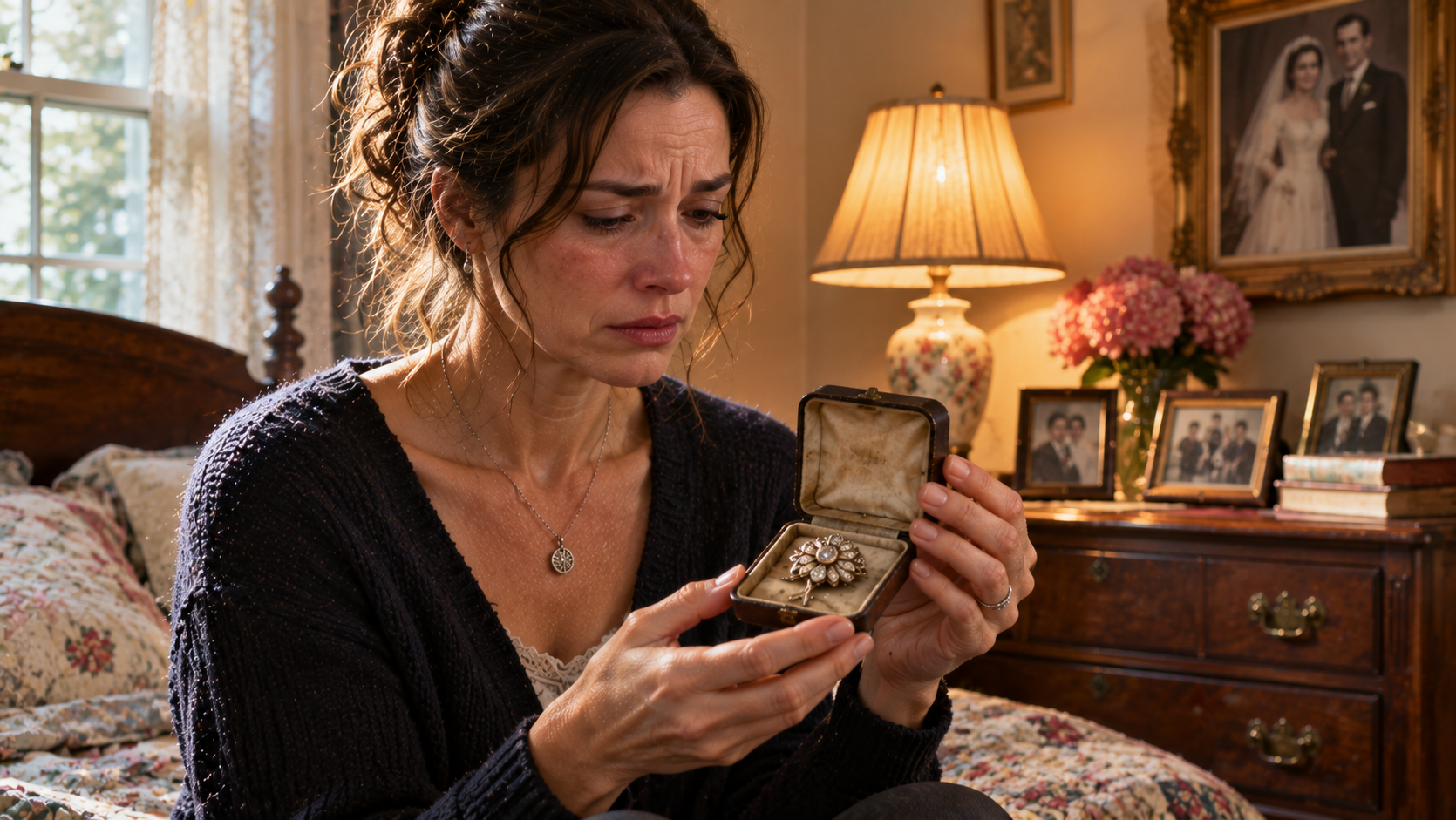
Inside was a brooch—a tarnished oval of dull metal with a cluster of cloudy stones that looked like they’d been glued on by a child. It was the kind of thing you’d find at a garage sale, priced at fifty cents and still passed over.
“It’s… lovely,” I managed.
Diane patted my cheek. “It’s worthless, dear. But it’s the thought that counts, isn’t it?”
She laughed. A few relatives laughed with her. Mark squeezed my hand and whispered, “She doesn’t mean it. She’s just… Diane.”
I wore the brooch for the rest of the reception because I didn’t want to cause a scene. But I felt its weight against my collarbone like a small, cold stone of humiliation.
The Years of Quiet Disrespect
Over the next four years, the brooch lived in the back of my jewelry box, tangled with broken chains and single earrings. I never threw it away—not because I treasured it, but because throwing away a gift felt like letting Diane win.
And Diane did not let up. She criticized my cooking, my career as a high school art teacher, and the way I folded Mark’s shirts. She bought us a “starter” set of towels for our anniversary that were so thin you could see through them. When I got pregnant, she told me my hips were “too narrow” for a natural birth.
Mark, to his credit, tried to intervene. But Diane had a way of twisting every confrontation into proof that I was “sensitive” and “ungrateful.” After a while, he learned to smooth things over instead of fighting. I learned to swallow my pride and smile at Sunday dinners.
But the brooch stayed in the box. It became a private symbol of everything I refused to let her take from me—my dignity, my patience, my belief that I was worth more than her approval.
The Day the Money Ran Out
The breaking point came on a Tuesday in October. Mark lost his job at the logistics company when they downsized his entire department. We had a six-month-old daughter, a mortgage we could barely afford, and exactly $312 in our checking account.
I started selling things on eBay—old textbooks, a camera I never used, the designer purse my mom had given me for graduation. One afternoon, I found myself in the jewelry box, staring at the brooch.
“Worthless,” Diane had said. But even worthless things had a price.
I drove to a pawn shop on the edge of town, a cramped little place called Gold Street Exchange. The owner was a wiry man in his sixties named Harold, with glasses perched on his nose and a jeweler’s loupe hanging around his neck.
I set the brooch on the counter. “I know it’s not much. My mother-in-law said it was worthless, but I thought maybe—”
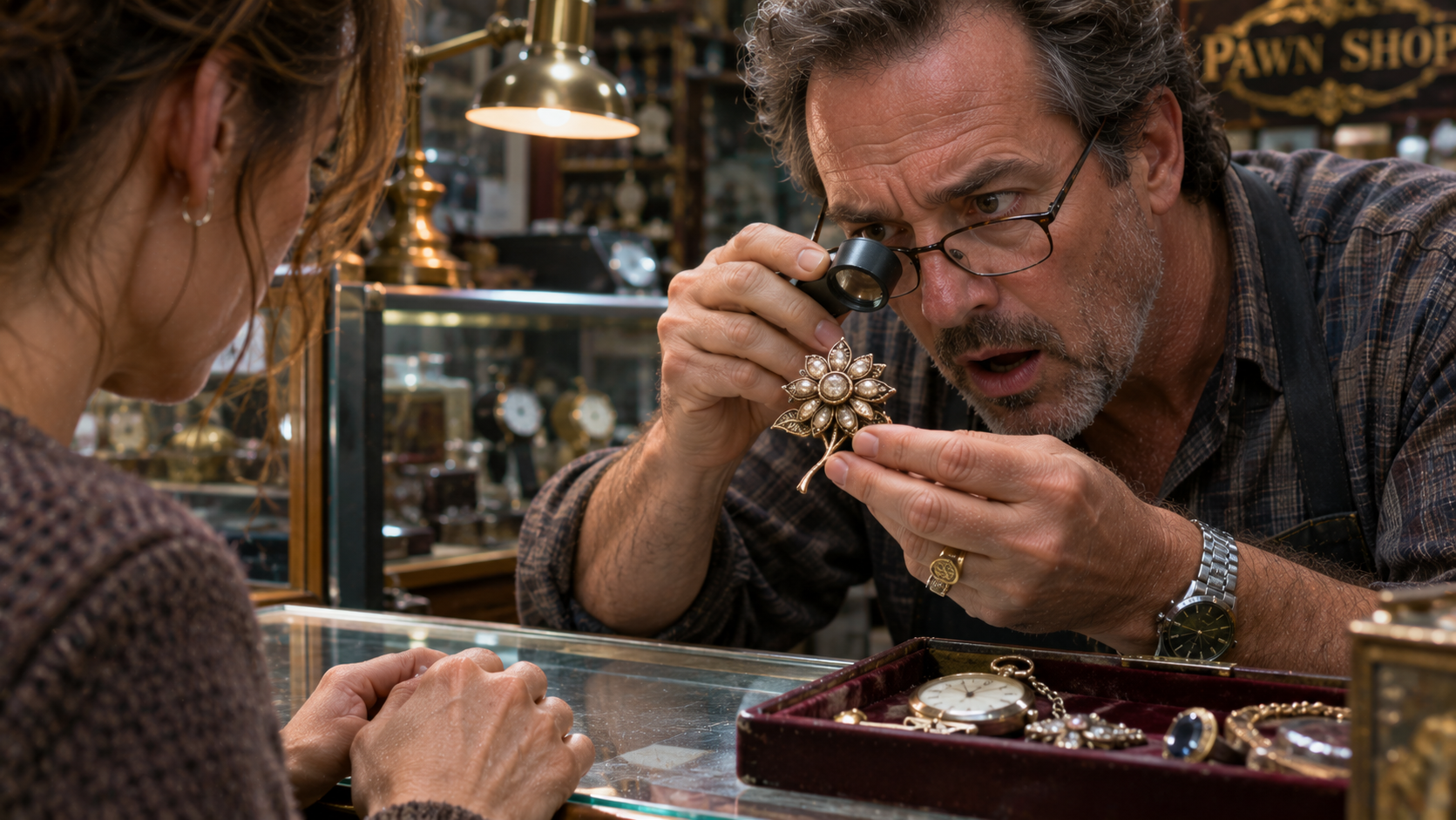
Harold picked it up. He turned it over once, then twice. Then he went very still.
His face drained of color. He set the brooch down carefully, as if it were made of glass, and looked at me over his glasses.
“Ma’am,” he said, his voice suddenly hoarse. “Where did you get this?”
My heart started to pound. “My mother-in-law gave it to me on my wedding day. She said every bride in the family gets one.”
Harold shook his head slowly. “I’ve been in this business thirty-eight years. I’ve seen maybe three of these.” He swallowed. “This isn’t costume jewelry. These stones are old European cuts—hand-faceted, probably late nineteenth century. The setting is platinum, not silver. It’s tarnished, but that’s just surface oxidation.”
He paused. “This is a piece from a famous collection. The Van der Meer estate. It was reported stolen in 1998.”
I gripped the counter. “Stolen?”
“The family was Dutch. Moved to Boston in the seventies. The brooch was one of six pieces taken in a burglary. There was a reward posted—never claimed.” He looked at me with something like pity. “If this is authentic, it’s worth somewhere between eighty and a hundred twenty thousand dollars. But more importantly, it’s evidence.”
The Truth Behind the “Tradition”
I drove home in a daze. That night, I confronted Mark. He didn’t know anything about the brooch’s origin—but he did know his mother had a sister named Eleanor who had died in 1999, a year before Mark was born.
“She never talked about her,” Mark said. “I always thought it was too painful.”
I did some digging. Eleanor had been married to a man named Pieter Van der Meer. They had no children. When Eleanor died, her estate passed to her only living relative—her younger sister, Diane.
The stolen pieces had never been recovered. But Diane had inherited everything.
I called the Van der Meer family’s attorney, whose name I found in an old newspaper article about the burglary. Within a week, I had a meeting with the remaining family members—Pieter’s niece and nephew, both in their seventies.
They confirmed the brooch’s description. They had a photograph of Eleanor wearing it at a gala in 1995.
And they told me something else: Diane had been questioned by police in 1998. She had been staying with Eleanor the week of the burglary. No charges were ever filed, but the family had always suspected her.
“She was jealous of Eleanor,” the niece said quietly. “Eleanor had everything—money, beauty, a husband who adored her. Diane had nothing but resentment.”
The Confrontation
I didn’t go to the police right away. First, I went to Diane’s house on a Sunday afternoon, the brooch in my purse.
She opened the door in her usual silk blouse and pearls, her smile already in place. “Well, this is a surprise. Mark didn’t say you were coming.”
“He doesn’t know I’m here,” I said. “I need to ask you about the brooch.”
Her smile flickered. “The what?”
“The worthless brooch you gave me on my wedding day. The one you said every bride in the family gets.”
She stepped back, her hand on the doorframe. “I don’t know what you’re talking about.”
I pulled the brooch from my purse and held it up. “This one. The one stolen from your sister’s house in 1998. The one you’ve been hiding for twenty-five years.”
Diane’s face went white. For a moment, she looked old and afraid. Then something hardened in her eyes.
“You can’t prove anything,” she said.
“I can,” I said. “The Van der Meer family has photographs. The pawn shop owner identified it. And I have a lawyer who’s very interested in why you gave stolen property to your daughter-in-law.”
She stared at me. “I didn’t steal it. Eleanor gave it to me. She was dying—she wanted me to have something.”
“Then why did you call it worthless?” I asked. “Why did you laugh at me?”
Diane’s chin trembled. “Because I wanted to hurt you,” she whispered. “Because you were everything I never was. Young. Loved. Happy. And I couldn’t stand it.”
She sank onto the hallway bench, her hands shaking. “I didn’t mean to keep it. I just… I couldn’t sell it. It was the only thing of Eleanor’s I had left.”
I looked at her—really looked at her—and saw not a villain, but a small, bitter woman drowning in her own regrets.
“You could have told me the truth,” I said. “You could have trusted me.”
She didn’t answer.
The Price of Silence
I returned the brooch to the Van der Meer family. They were grateful—and they insisted on giving me the reward that had been posted decades earlier. After taxes, it came to $42,000.
Mark and I used it to pay off our credit card debt and put a down payment on a smaller, more affordable house. He was devastated by his mother’s actions, but he stood by me. Diane and I don’t speak anymore. She sends birthday cards to our daughter, which I quietly throw away.
Sometimes I think about that brooch—how it sat in my jewelry box for years, a symbol of everything Diane wanted me to believe about myself. Worthless. Unwanted. A joke.
But she was wrong. The brooch was never worthless. And neither was I.
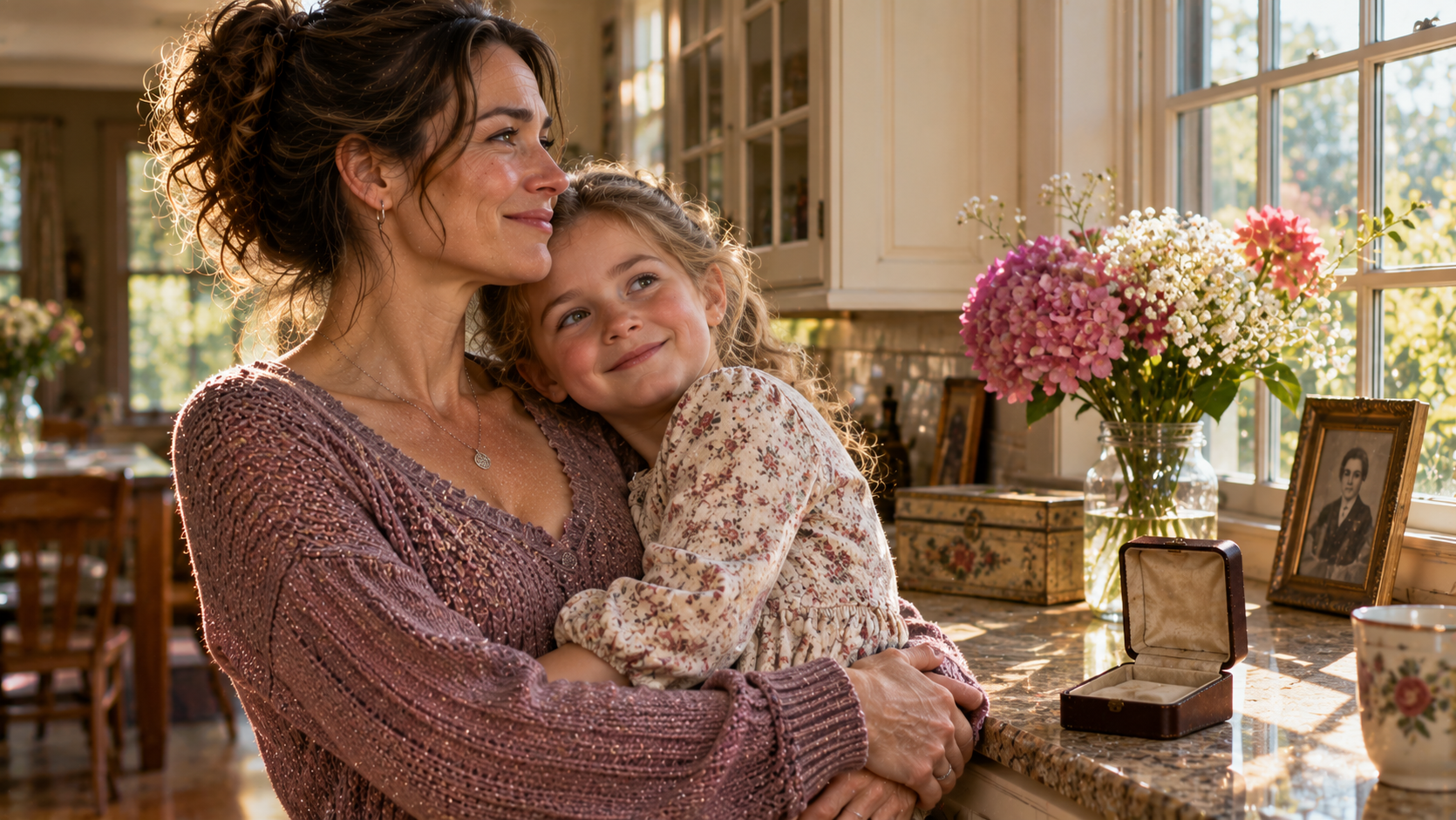
The real treasure wasn’t the money. It was the moment I stopped letting someone else define my value.
Recommended Stories
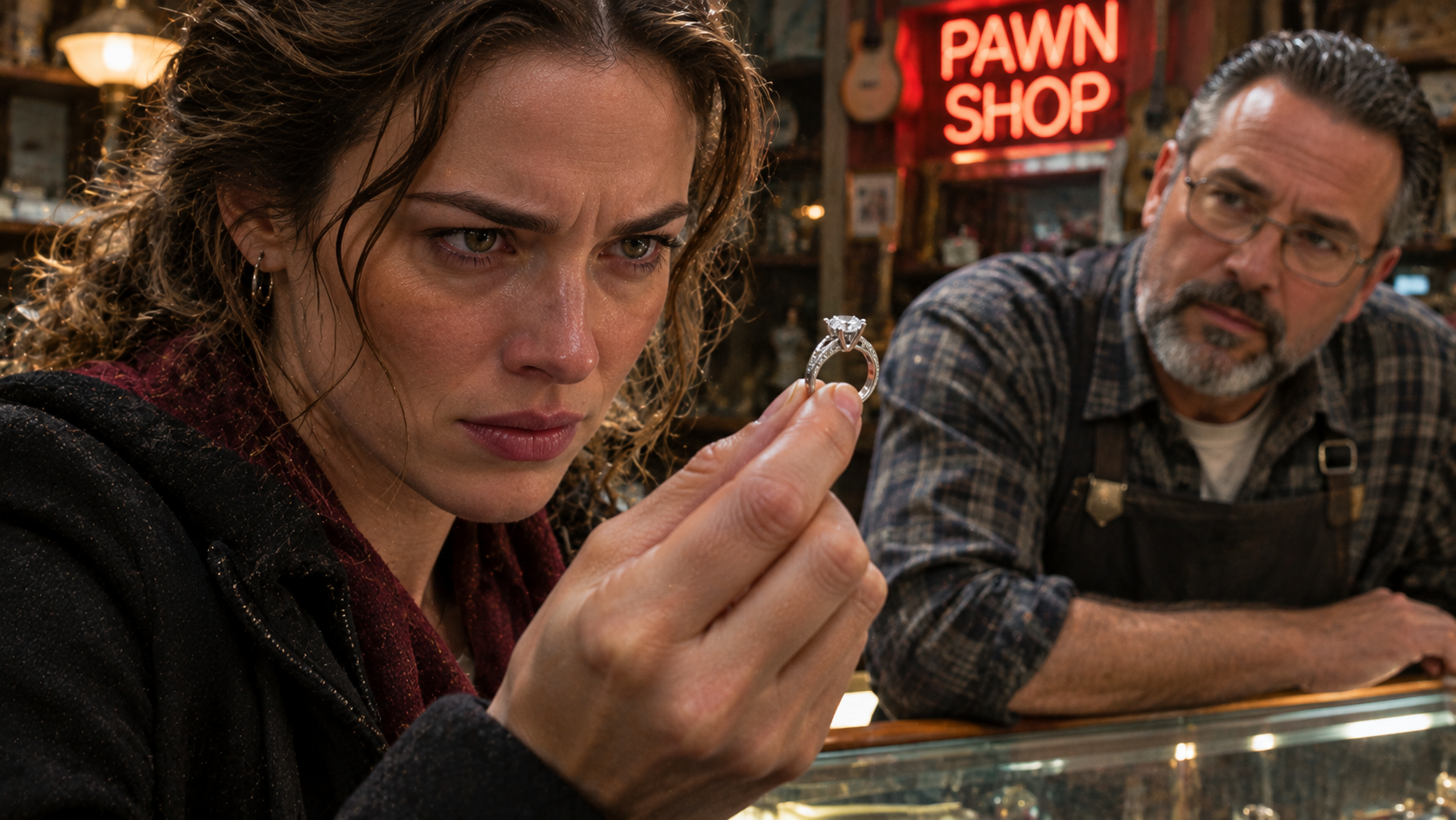
My Stepmother Sold My Mother’s Wedding Ring at a Pawn Shop for $50—I Bought It Back for $5,000, Then Sued Her for the Full Value
My stepmother sold my mother's wedding ring for $50. I bought it back for $5,000—then discovered it was worth $50,000....
At My Father’s Funeral, a Stranger Handed Me a Letter He’d Written the Day Before He Died—It Revealed He’d Been Paying My Mother’s Medical Bills in Secret for Years
A stranger at the funeral hands her a letter from her late father—revealing he'd secretly paid her mother's medical bills...
My Sister Asked Me to Be Her Maid of Honor—Then She Secretly Invited My Ex-Husband to the Wedding and Seated Him at the Head Table. When I Confronted Her, She Said Something That Made Me Leave
My sister asked me to be her maid of honor—then secretly invited my ex-husband and seated him at the head...