I Paid Off My Parents’ $200,000 Mortgage as a Surprise—Then They Changed the Locks and Told Me I Wasn’t Their ‘Real’ Child
The Day I Became a Stranger in My Own Home
The key didn’t fit. I stood on the porch of my parents’ house—the house I’d just paid off—with a bag of groceries in one hand and a bottle of my father’s favorite bourbon in the other. The lock had been changed. Through the window, I saw my mother pull the curtain shut.
That morning, I’d driven six hours from Chicago to surprise them. I’d been planning this moment for three years, ever since I started my tech consulting firm and started tucking away every spare dollar. Two hundred thousand dollars. That’s what it took to clear their mortgage. I’d wired the final payment on a Friday. By Saturday, they knew.
They didn’t call to thank me. They called a locksmith.
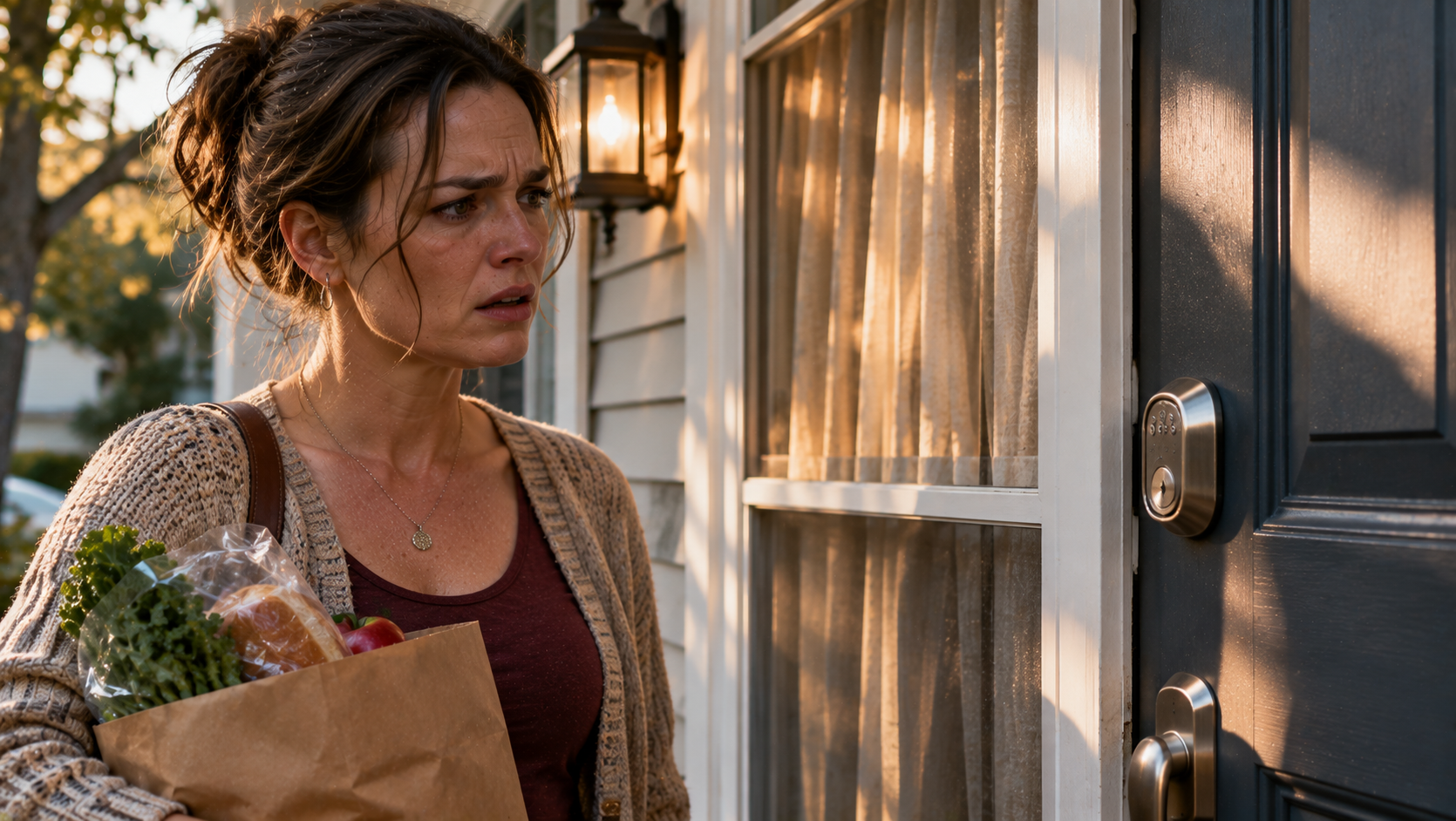
I knocked. No answer. I called. Straight to voicemail. Finally, my father opened the door just wide enough to slide a folded piece of paper through the gap. His face was pale, his jaw tight. “You need to go, Nora,” he said. “We’ll send your things.”
The paper was a note in my mother’s handwriting: You are not our daughter. We adopted you as a baby. The mortgage was the least you owed us. Don’t come back.
I read it three times before the words made sense. Adopted. I was thirty-two years old, and I’d never heard a whisper of it. Not from them, not from my older brother, not from anyone. But the cruelty wasn’t the secret—it was the timing. They’d waited until the debt was gone to tell me I was never really theirs.
The Brother Who Knew
My brother, Mark, was two years older and had always been the golden child. He lived twenty minutes away, worked at a car dealership, and had never paid a dime toward the mortgage. I called him from my car, shaking.
“Did you know?” I asked.
Silence. Then: “Mom told me when I was sixteen. She said it was better if you didn’t know. You were always so… sensitive.”
“And the mortgage?”
“They said it was fair. That you owed them for raising you.”
I hung up. The sun was setting over the cul-de-sac where I’d learned to ride a bike. I felt like a ghost haunting a house that still had my childhood drawings taped to the fridge.
That night, I stayed in a motel off the interstate. I couldn’t sleep. I kept thinking about the money—$200,000, every penny I’d saved. I’d skipped vacations, driven a ten-year-old Honda, and worked weekends for three years. And for what? To be erased.
But as the anger cooled, a colder thought crept in: If they were willing to do this, what else were they hiding?
The Aunt Who Told the Truth
My mother had a sister, Aunt Diane, who lived in Arizona and had been estranged from the family for as long as I could remember. I’d only met her twice. But she was the only person left who might talk.
I found her number online and called at 7 a.m. Phoenix time. She answered on the second ring.
“Nora,” she said, her voice soft. “I’ve been waiting for this call for twenty years.”
She told me everything. My birth mother was a young woman named Elena, a waitress at a diner my father frequented. She’d died in a car accident when I was six months old. My parents—the people who raised me—had taken me in as a favor, but they’d never formally adopted me. Instead, they’d become my legal guardians and collected a monthly stipend from the state until I turned eighteen.
“They were paid to raise you,” Diane said. “And they never spent a cent of it on you. Your father used it to buy that house.”
The math hit me like a truck. The stipend was $800 a month. Over eighteen years, that was $172,800. The mortgage was $200,000. They’d used my own money to buy the house—and then demanded I pay it off again.
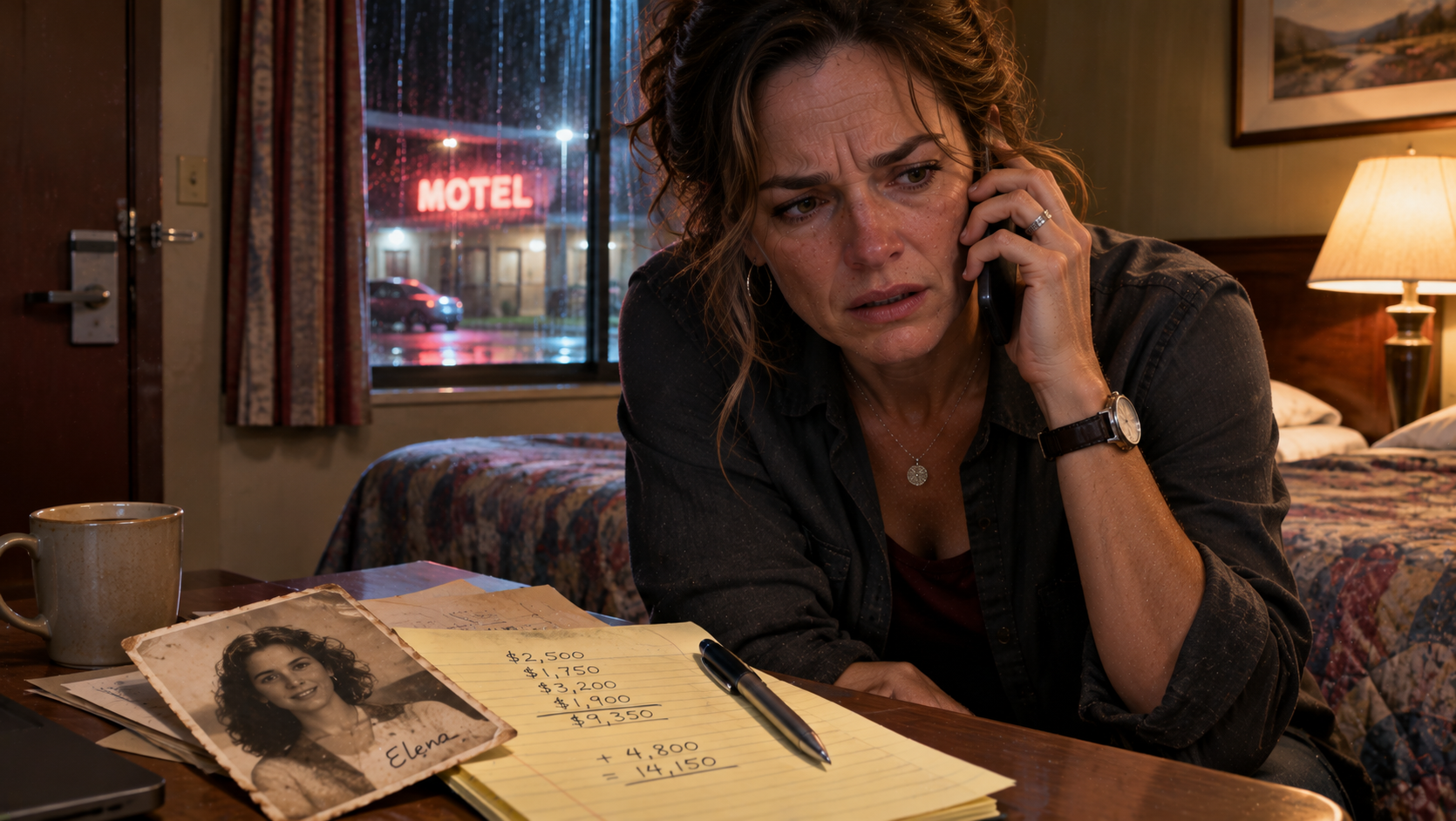
“There’s more,” Diane said. “Elena left you something. A savings bond and a small life insurance policy. Your parents were supposed to hold it in trust. I don’t think they ever gave it to you.”
I felt the floor drop out. “How much?”
“The bond was $10,000. The policy was $50,000. And Nora—your birth mother wrote you a letter. I have a copy. I’ll send it.”
The Letter and the Lawyer
The letter arrived three days later. It was short, written in a shaky hand on diner stationery.
My darling girl, if you ever read this, know that I loved you more than anything. I asked the Hendersons to take care of you because I had no one else. I gave them everything I had. Please don’t let them take your kindness for weakness. You are not a debt to be paid. You are a gift.
I cried for an hour. Then I called a lawyer.
His name was David Okafor, and he specialized in family law and financial fraud. He listened to my story without interrupting, then asked for every document I had: the mortgage payoff confirmation, the note from my mother, Diane’s testimony, and the letter.
“This is not just a family dispute,” he said. “This is potential fraud, breach of fiduciary duty, and unjust enrichment. The guardianship stipend was intended for your care. They used it for their own benefit. And the life insurance and bond were legally yours.”
He sent a demand letter to my parents. Two days later, my mother called me, sobbing.
“You can’t do this to us,” she said. “We raised you! We fed you! You owe us!”
“No,” I said, my voice steady. “You owed me. And I’m done paying.”
The Reckoning
The lawsuit moved faster than I expected. My parents couldn’t produce a single document showing they’d spent the stipend on my care. They had no adoption papers. And the life insurance policy had been cashed out in 2005—with my signature forged.
Mark testified against them. Not out of loyalty to me, but because he was afraid of being implicated. He admitted they’d told him the stipend was “free money” and that I’d never find out.
The judge ruled in my favor. I was awarded the $200,000 mortgage payoff, plus $60,000 for the misused funds, plus attorney’s fees. My parents had to sell the house to pay the judgment. They moved into a rented apartment across town.
I didn’t attend the auction. I didn’t need to. I’d already bought something better: a small condo in Chicago with a view of the lake, paid for in cash with the money they’d tried to steal from me.
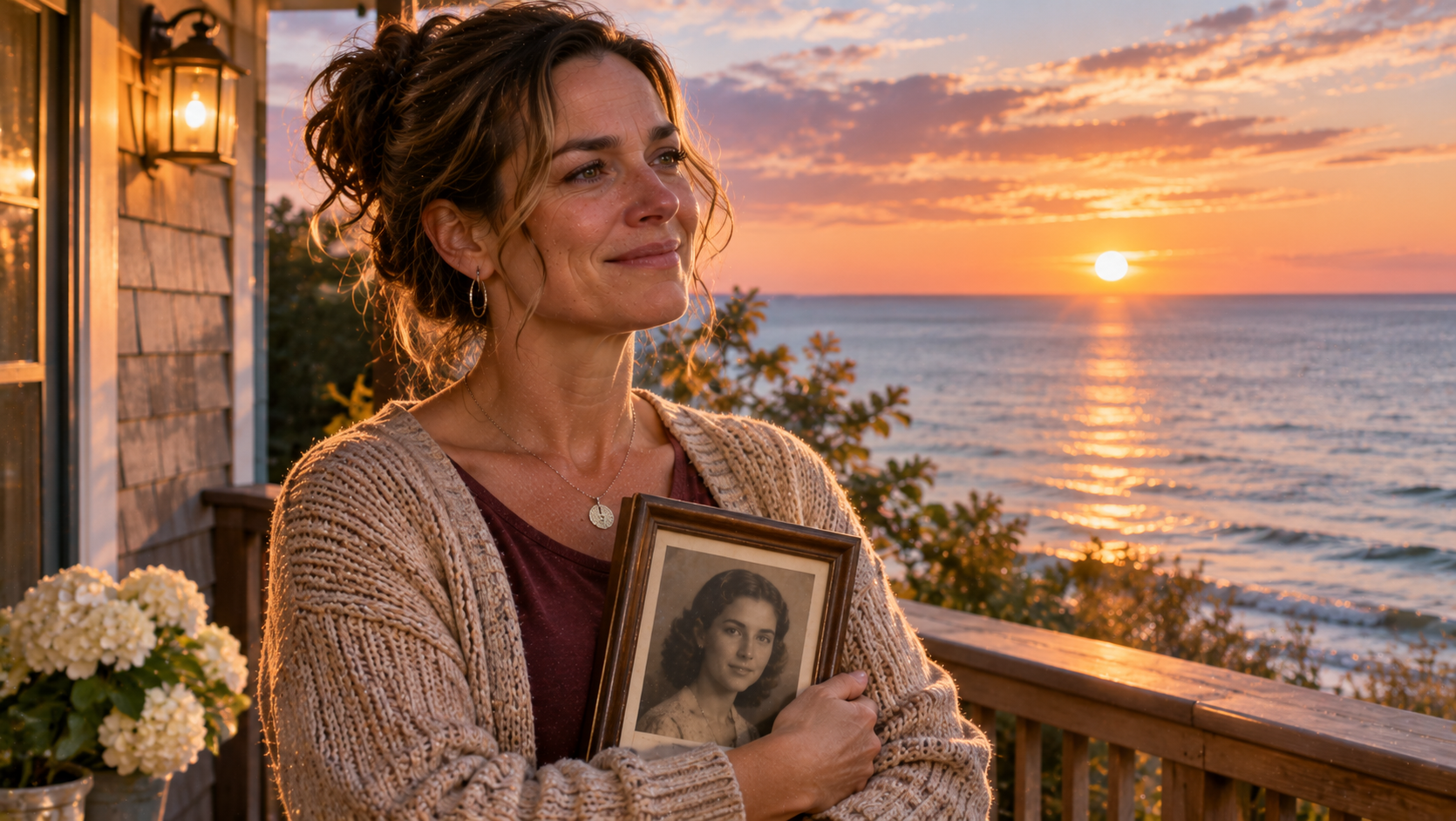
Last month, I visited Elena’s grave for the first time. It was in a small cemetery outside Springfield, overgrown with weeds. I cleared the headstone and left a bouquet of daisies. Then I read her letter again, and I realized something: she hadn’t just given me life. She’d given me the truth. And the truth, it turns out, is the only inheritance that can’t be stolen.
My parents still call sometimes, leaving voicemails asking for forgiveness. I don’t answer. Some debts can’t be repaid—and some families aren’t worth the interest.
Recommended Stories

At My Mother’s Funeral, My Aunt Announced She Was My Real Mother—Then My ‘Sister’ Handed Me a DNA Test
At my mother's funeral, my aunt dropped a bombshell: she was my real mother. Then my 'sister' handed me a...

I Took My Niece to Disney World After Her Mom Died—Then My Sister’s Ghost Allegedly Started Appearing in Our Photos
A grieving aunt takes her niece to Disney World and captures a ghostly figure in photos—could it be her late...
My Brother Stole My Inheritance to Open a Restaurant—Then His Chef Found My Grandmother’s Recipe Book and Exposed the Fraud
When my brother stole my $150,000 inheritance to open a restaurant, he thought he'd won. But Grandma's recipe book held...