I Found a Mysterious Key in My Late Father’s Desk—It Opened a Safe Deposit Box Containing a Will That Left Everything to a Woman I’d Never Heard Of
My father, Richard, was a man of routines. Every morning, he’d have black coffee and two slices of whole-wheat toast. He’d read the Chicago Tribune, then head to his dental practice. He was predictable, dependable, and utterly boring—or so I thought. When he died of a heart attack at 68, I was devastated but not surprised; his diet was terrible, and he never exercised. What surprised me was what I found in his desk three weeks after the funeral.
I was cleaning out his home office, a cramped room in the suburban Chicago house where I’d grown up. My mother had passed five years earlier, and as the only child, the task fell to me. I was sorting through old bills and dental journals when I noticed a small, tarnished brass key taped to the underside of his desk drawer. It was the kind of key that opens a safe deposit box, and it had a number etched on it: 427. No bank name, no other clues. Just a key and a wave of unease.
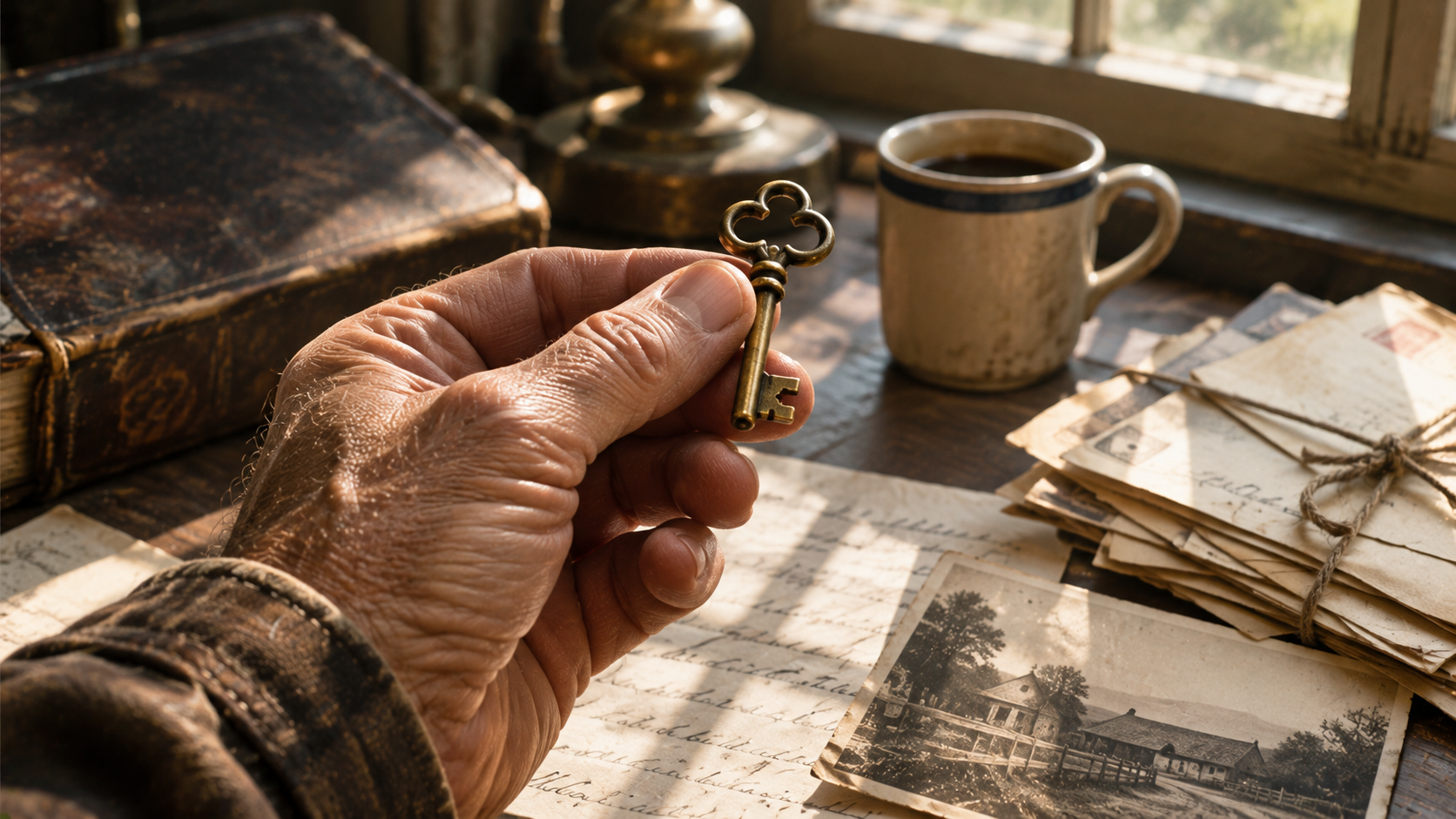
My father was meticulous. He had a will, a trust, and a financial advisor. Everything was in order—or so I believed. But this key felt like a loose thread. I spent the next week calling every bank within a 50-mile radius, asking if they had a box numbered 427 under Richard Hayes. Most said they couldn’t disclose that information. Then I tried the First National Bank of Evanston, a small branch he’d used decades ago. The manager, a kind woman named Mrs. Alvarez, confirmed that a box existed under his name, but it hadn’t been accessed in over 20 years. She asked if I had the key and a death certificate. I did.
The Box That Changed Everything
Two days later, I sat in a private room at the bank, my hands trembling as I turned the key. Inside the metal box was a single manila envelope, yellowed with age. I half-expected stock certificates or old savings bonds. Instead, I found a will—dated 1998, three years before I was born. It left everything to a woman named Elena Vasquez.
I’d never heard that name. My father’s will, the one probated after his death, left everything to me. This older will was a shock, but it was legally superseded by the newer one. Still, the existence of Elena Vasquez gnawed at me. Who was she? Why would my father, a man who never missed a mortgage payment, have a secret will leaving his entire estate to a stranger?
I showed the document to my father’s attorney, a family friend named Greg. He scanned it and frowned. “This is unusual, but it’s not valid anymore. The 2015 will is the one that counts. But I’d be lying if I said I wasn’t curious. Your dad never mentioned an Elena.”
I hired a private investigator, a retired cop named Sam. Within a week, he found her: Elena Vasquez, age 72, living in a small apartment in Tucson, Arizona. She was a retired schoolteacher, never married, no children. And according to public records, she had been the beneficiary of a life insurance policy my father took out in 1999—one that paid out $250,000 when he died.
My father had been sending her money for over two decades. I found cancelled checks in his files, made out to “E. Vasquez” for $1,000 every month. I’d assumed they were for a charity or a former employee. But this was no charity. This was a commitment.
The Woman Who Knew My Father
I flew to Tucson. I didn’t call ahead; I wanted to see her reaction. Her apartment was modest, filled with books and plants. She was frail, with silver hair and kind eyes. When I introduced myself as Richard’s daughter, she didn’t look surprised. She looked relieved.
“I wondered if you’d come,” she said, her voice soft. “I’m sorry for your loss. He was a good man.”
We sat at her kitchen table, and she told me the story. In 1997, my father was a young dentist volunteering at a free clinic in Chicago. Elena was a patient, a recent immigrant from Mexico, struggling to make ends meet. She had a severe infection, and he treated her for free. They became friends. Then, more than friends. My father was married to my mother, but their marriage was already strained. Elena was his confidante, his escape.
“He never left your mother because of you,” she said. “He didn’t want to break up your family. But he loved me. And I loved him.”
She showed me letters—dozens of them—spanning 20 years. They were love letters, but also practical: updates on my childhood, photos of my graduation, notes about his practice. He had shared his life with her, even as he lived it with us.
The will, she explained, was his way of making sure she was taken care of if something happened to him before he could arrange things properly. But he never updated it. “He meant to,” she said. “But he was afraid of hurting you. He thought he had time.”
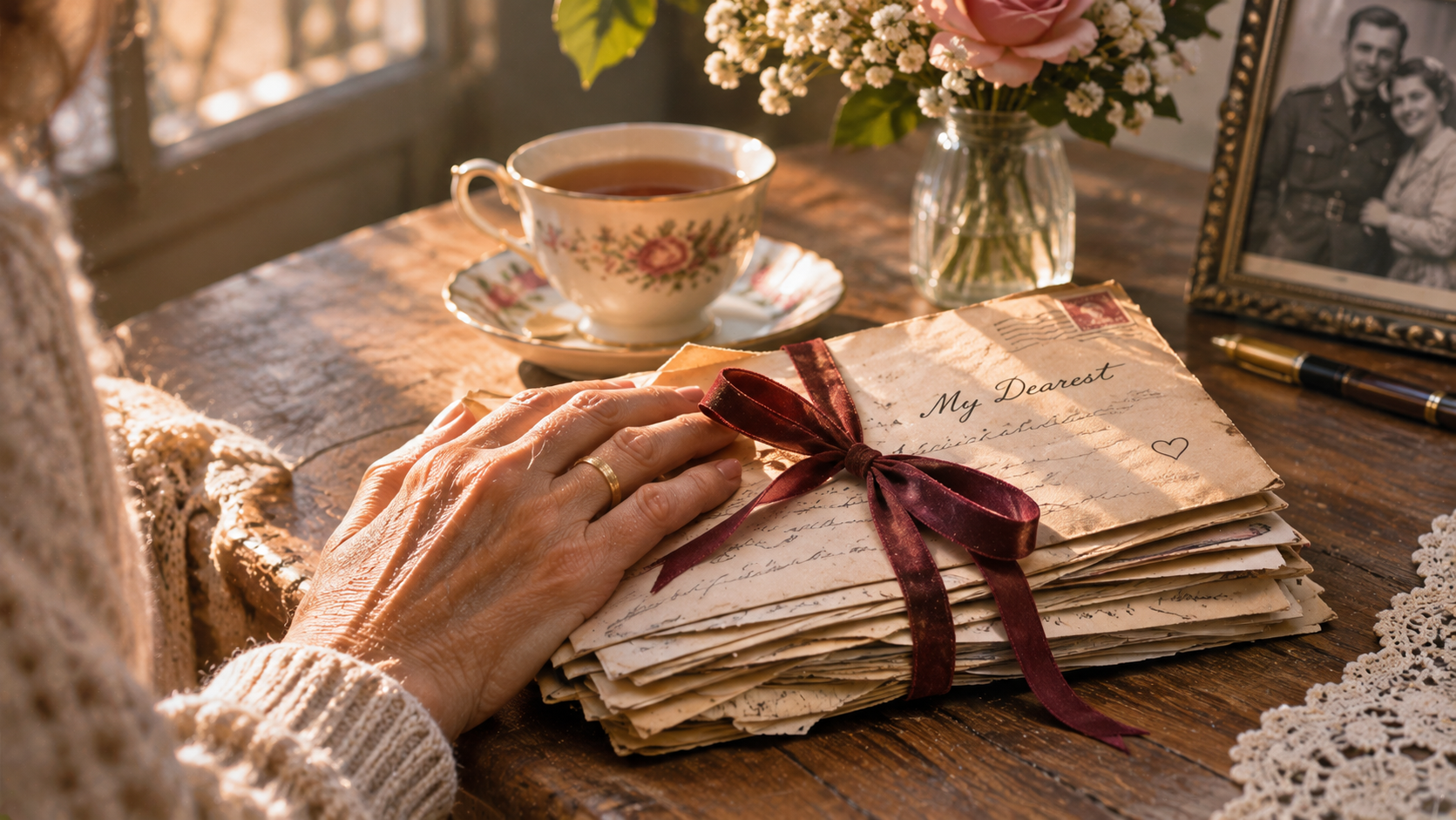
I was furious. Not at Elena—she was a victim of my father’s secrets, too. I was furious at my father for lying to me, for living a double life. But as I read the letters, I saw a side of him I never knew: vulnerable, romantic, conflicted. He wasn’t a villain. He was a man who made a mess.
The Choice I Had to Make
Legally, Elena had no claim to my father’s estate. The 1998 will was invalid, and the life insurance policy had already paid out. But morally, I felt a responsibility. My father had promised to provide for her. He had failed to update his will, but his intent was clear.
I consulted Greg. “You could give her something,” he said. “But you’re not obligated. The estate is yours.”
I thought about my father—his quiet generosity, his secret guilt. I thought about Elena, who had spent 20 years loving a man she could never have. And I thought about myself, about the kind of person I wanted to be.
I decided to give Elena $100,000 from the estate. It wasn’t everything, but it was enough to make her comfortable. She cried when I told her. “I never wanted your money,” she said. “I just wanted him.”
I also gave her the letters. They were hers, after all.
What I Learned About My Father
In the months since, I’ve gone through my father’s things more carefully. I found a journal he kept in his last year. In it, he wrote about his regrets—about not being brave enough to leave my mother, about not being honest with me. “I hope one day my daughter will understand,” he wrote. “I hope she’ll forgive me.”
I don’t know if I’ve forgiven him. But I understand him better. He was a man who tried to do the right thing and failed in ways that hurt people. He wasn’t a saint, but he wasn’t a monster. He was just human.
And Elena? She and I still exchange Christmas cards. She’s not family, exactly, but she’s a part of my father’s story. And now, she’s a part of mine.
Sometimes, the keys we find don’t just open boxes. They open our eyes.
Recommended Stories
I Took My Niece to Disney World After Her Mom Died—Then My Sister’s Ghost Allegedly Started Appearing in Our Photos
A grieving aunt takes her niece to Disney World and captures a ghostly figure in photos—could it be her late...
My Sister Asked Me to Be Her Surrogate—Then She Tried to Keep the Baby and Claim I Was Unfit
She asked me to carry her baby. I said yes. Then she tried to erase me from the child's life—and...
I Paid for My Brother’s Dream Wedding—Then He Eloped with My Fiancée and Left Me with the $50,000 Bill
I spent $50,000 on my brother's dream wedding—only to discover he'd eloped with my fiancée. Here's how I recovered, financially...