My Brother Asked Me to Be His Alibi for a ‘Camping Trip’—Then the FBI Showed Up and I Learned He’d Been Running a $2 Million Fraud
The Phone Call That Changed Everything
My brother Danny was always the golden child—the one who could sell ice to an Eskimo, the one our parents bragged about at every family dinner. So when he called me on a Tuesday afternoon in October, his voice dripping with that familiar charm, I didn’t hesitate. “Hey, sis, I need a huge favor,” he said. “I’m going camping with some buddies this weekend up in the Adirondacks. Cell service is spotty. If anyone asks, just tell them I’m off the grid, okay?”
I agreed. Why wouldn’t I? Danny was thirty-four, a successful financial advisor with a beautiful wife and a condo in Boston. He’d never given me a reason to doubt him. But three days later, two men in dark suits knocked on my door in Providence, Rhode Island, and my entire world imploded.
The Alibi That Unraveled
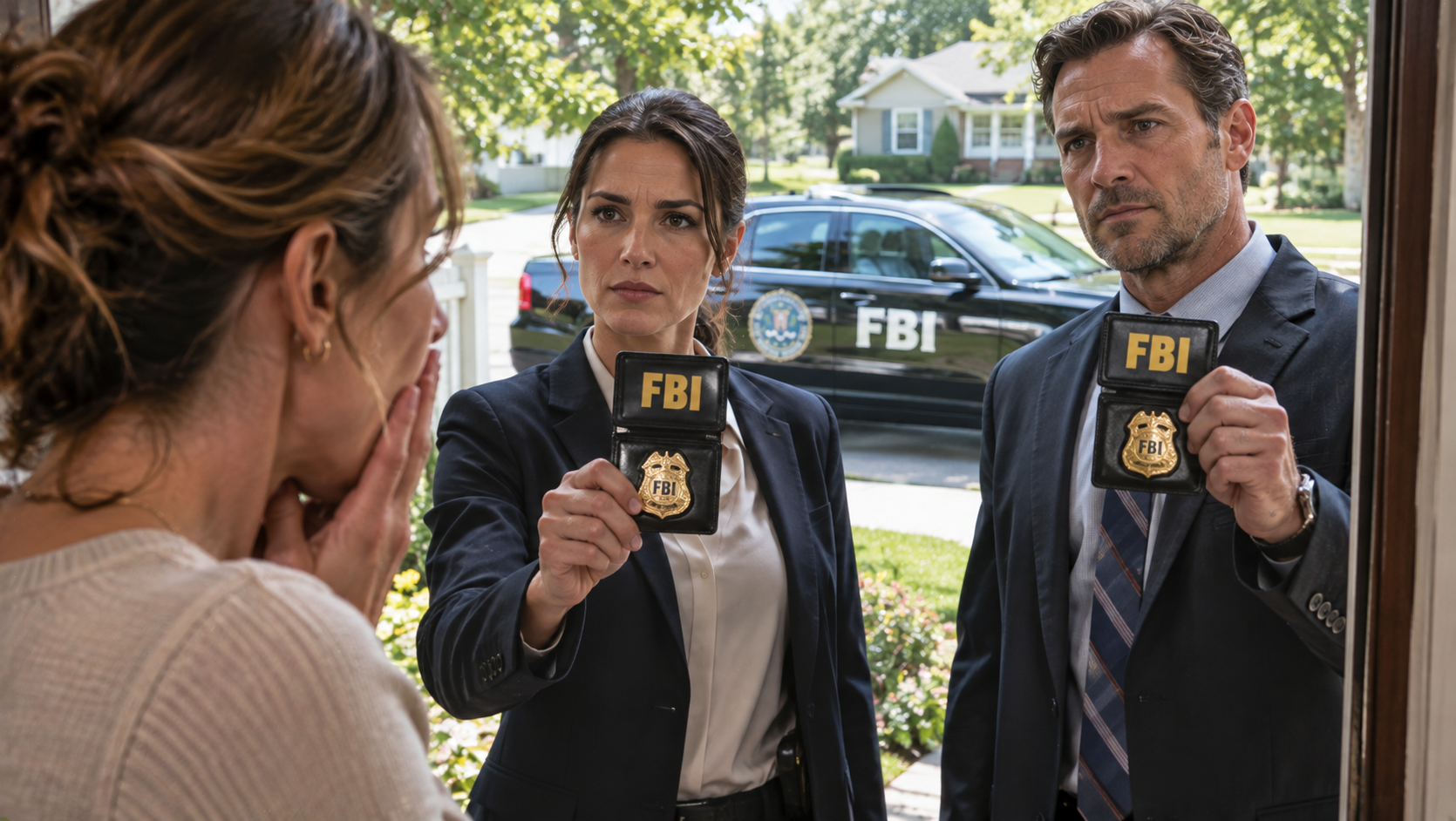
“Ma’am, we’re with the FBI. We’re looking for Daniel Reeves,” the taller agent said, flashing his badge. “We understand he’s your brother.”
My heart hammered. “He’s camping,” I said automatically. “In the Adirondacks. No cell service.”
The agent exchanged a glance with his partner. “Mrs. Callahan, your brother didn’t go camping. He’s been operating a Ponzi scheme that defrauded over forty investors of approximately two million dollars. We have reason to believe he’s been using you as part of his cover.”
I felt the floor tilt beneath me. “That’s impossible. Danny’s a financial advisor. He’s successful. He has a wife—”
“His wife is cooperating with our investigation,” the agent interrupted. “She claims she had no knowledge of the scheme. But you, Mrs. Callahan—you told his business partner that he was camping this weekend. That alibi bought him time to move funds. We need to know everything you know.”
I sank onto the couch, my mind racing. The camping trip. The spotty cell service. The casual request. Danny hadn’t been planning a weekend in the woods—he’d been planning an escape.
The Paper Trail I Never Saw Coming
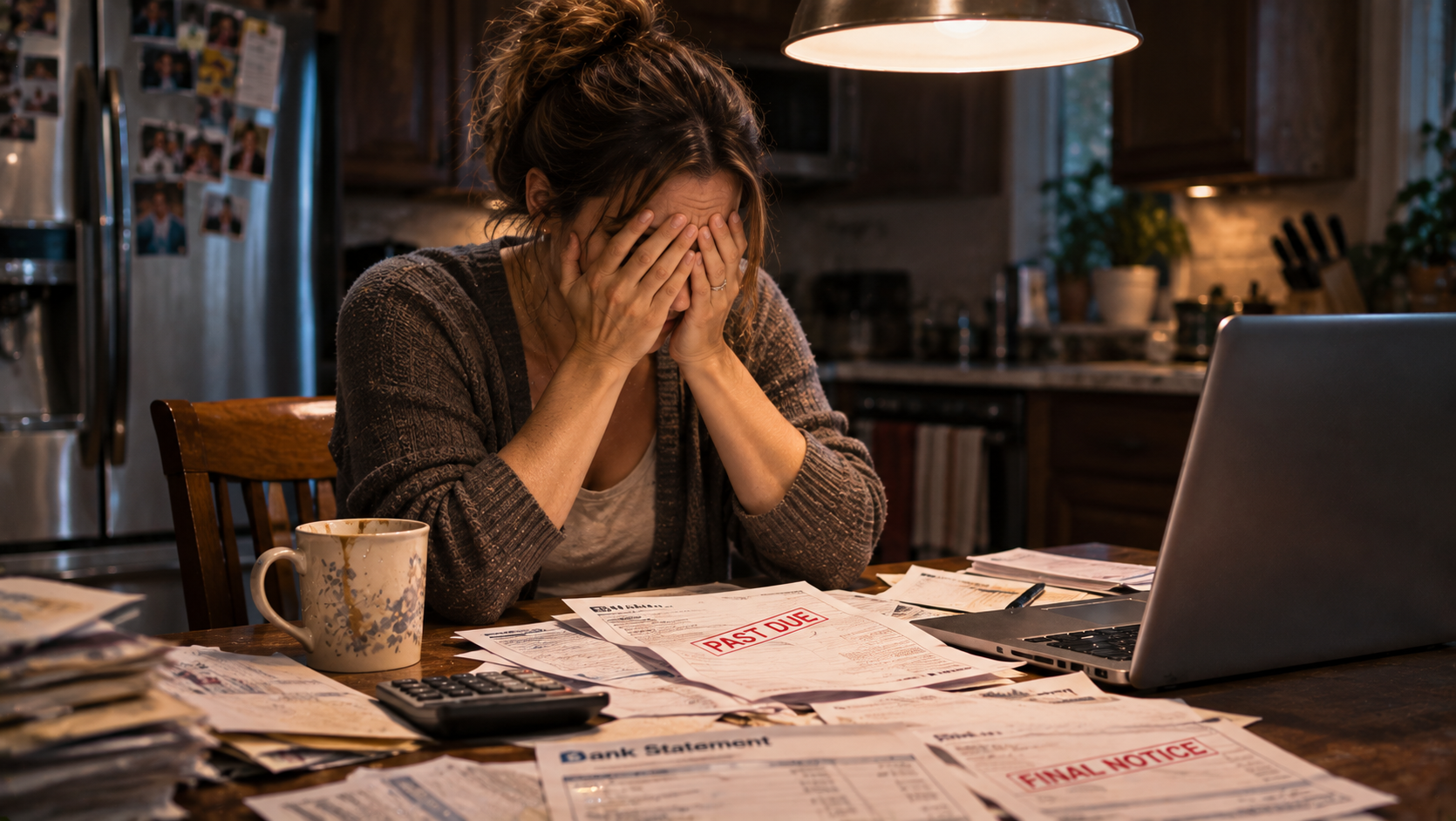
Over the next week, I cooperated fully with the FBI. I handed over every text, every voicemail, every email Danny had sent me in the past year. And what I found made me sick.
Danny had been running his scheme for three years. He’d targeted elderly clients, convincing them to invest their retirement savings in what he called “guaranteed high-yield bonds.” There were no bonds. There was only Danny, living large on other people’s money—a new boat, a timeshare in Florida, private school tuition for his kids.
But the worst part? He’d used my name. He’d told investors that his sister—a “successful attorney”—was handling the legal paperwork. I’m not an attorney. I’m a high school English teacher. But Danny had forged my signature on fake documents, creating a paper trail that made it look like I was complicit.
“You’re going to need a lawyer,” the FBI agent told me bluntly. “Your brother has implicated you in his scheme. We don’t believe you were involved, but we need to prove it.”
The Confrontation That Broke Me
They found Danny two weeks later, hiding in a motel in upstate New York. He’d dyed his hair and shaved his beard, but the FBI tracked his credit card to a gas station fifty miles from the Canadian border.
I visited him in jail. I needed to hear it from him.
“How could you do this?” I asked, my voice trembling. “You used me, Danny. You forged my signature. You made me an accessory to fraud.”
He had the audacity to look sheepish. “I didn’t mean for it to go this far. I just needed a little more time. I was going to pay everyone back—”
“Two million dollars, Danny! You stole two million dollars from people who trusted you. And you dragged me into it.”
He looked down at his hands. “I’m sorry, Lizzie. I really am.”
But sorry wasn’t enough. Not when I was facing potential criminal charges. Not when my reputation—my career—was on the line. Not when our parents had stopped taking my calls because they believed I’d turned on their precious son.
Clearing My Name
My lawyer was a bulldog named Maria Santos. She took one look at the forged documents and knew exactly what to do.
“Your brother is a narcissist,” she said. “He forged your signature, but he did a sloppy job. The handwriting doesn’t match yours. And he made a critical mistake—he used your old address on some of the paperwork. You’d moved two years before he created those documents.”
It took six months and $15,000 in legal fees, but Maria proved my innocence. The FBI dropped all charges against me. Danny, however, wasn’t so lucky.
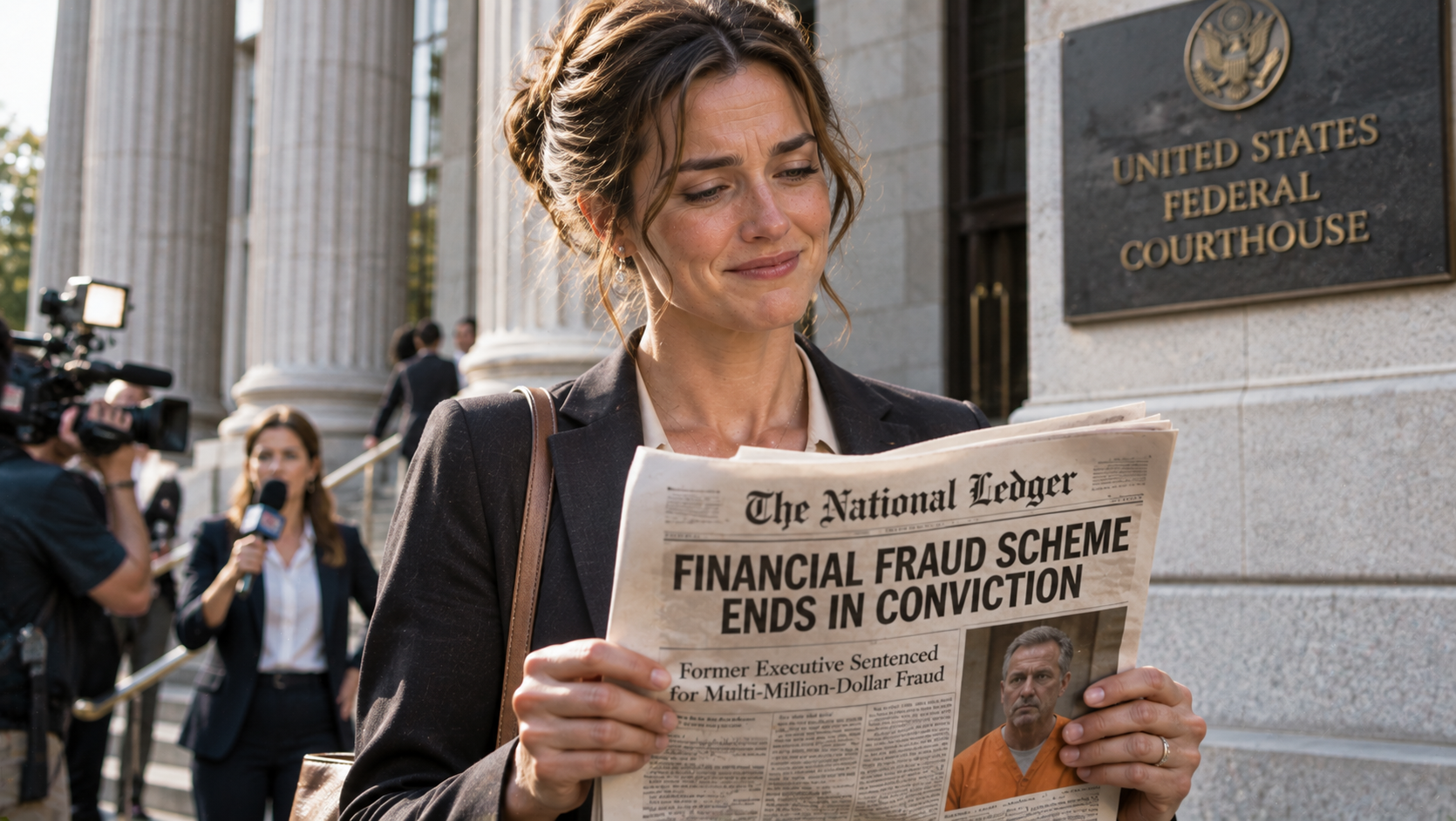
He was convicted of wire fraud, securities fraud, and forgery. The judge sentenced him to eight years in federal prison and ordered him to pay back every cent he’d stolen. His wife divorced him and moved to California with the kids. Our parents, who’d initially blamed me for “abandoning” my brother, eventually came around after seeing the evidence. But our relationship never fully healed.
The Lesson I Carry
It’s been three years since that day. I’m still teaching, still living in Providence, still trying to rebuild my life. The legal fees wiped out my savings. The stress gave me migraines. And the trust I once had in my own family is gone forever.
But I’ve learned something valuable: family isn’t a free pass. Love doesn’t mean blind loyalty. And when someone asks you to lie for them, the question you should ask isn’t “Why?”—it’s “What are you hiding?”
Danny writes me letters from prison sometimes. He says he’s found God, that he’s changed, that he wants to make amends. Maybe he has. But I’ve learned that words are cheap. It’s actions that matter.
And the only action I’m interested in now is protecting myself.
So the next time someone asks me for a favor—even if it’s family—I’ll think twice. Because the last time I said yes, I almost lost everything.
And that’s a mistake I will never make again.
Recommended Stories
I Inherited a Million Dollars from a Stranger—Then a Woman Showed Up Claiming to Be His Secret Daughter and Demanded a DNA Test
A mysterious inheritance from a stranger leads to a shocking DNA discovery and a sister I never knew I had.
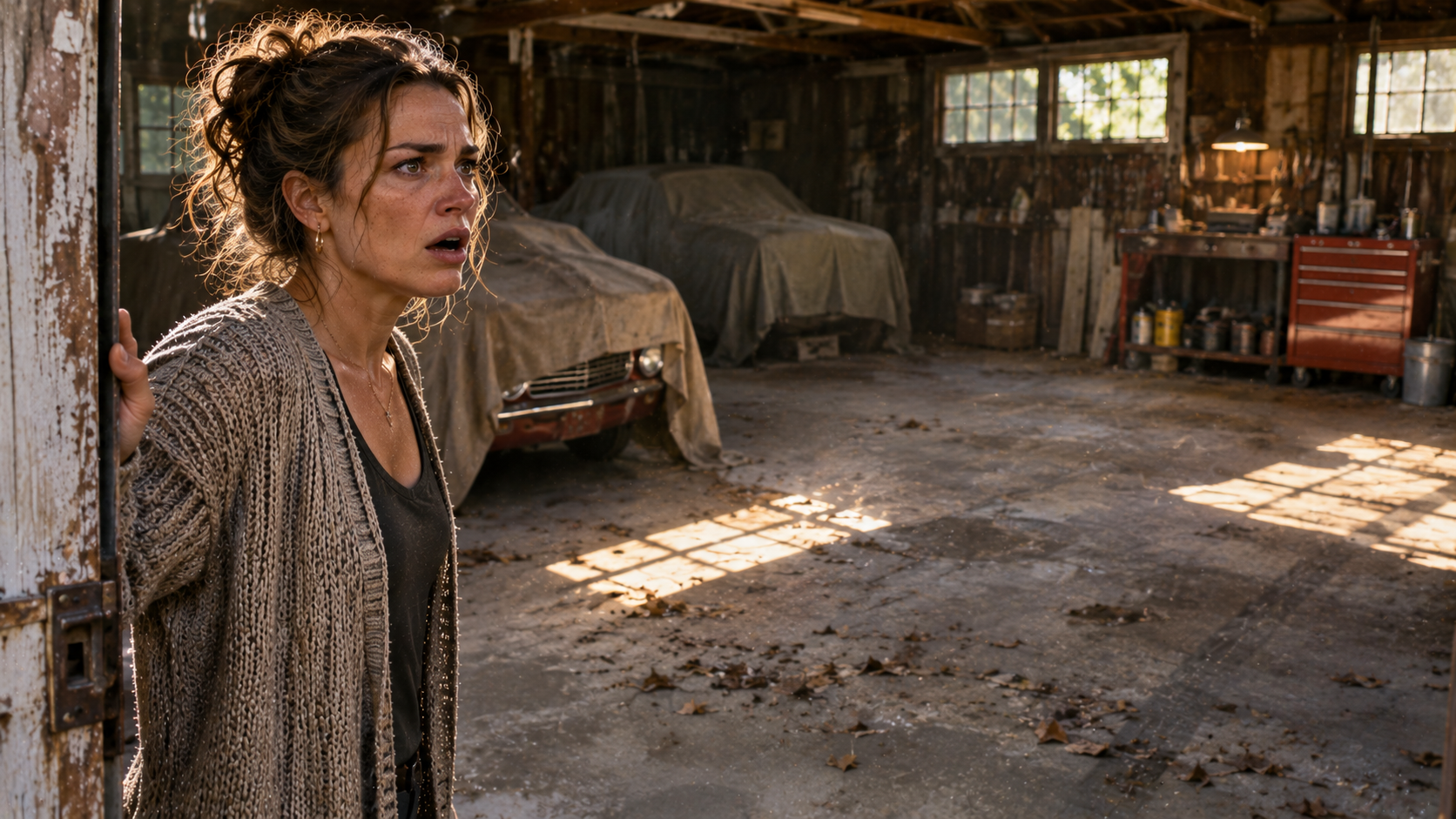
My Father Promised Me His Vintage Car Collection—After He Died, My Stepmother Sold It for $50,000. Then I Found the Original Title in His Safe
After her father's death, Maya's stepmother sold his vintage car collection for $50,000. But a hidden safe revealed the truth—and...

At My Baby Shower, My Sister Announced She Was Pregnant Too—Then My Husband’s Face Turned White
My sister's pregnancy announcement at my baby shower made my husband's face go white. What I found on his phone...