I Found a Locked Diary in My Late Wife’s Belongings—It Revealed She Had Been Planning to Leave Me for My Best Friend
The Diary I Wasn’t Supposed to Find
Three weeks after my wife, Claire, died in a car accident, I finally found the courage to clean out her closet. I was thirty-four, a high school history teacher in a small town outside of Portland, Oregon, and the silence in our house had become unbearable. I was sorting through her winter sweaters when my hand brushed against a small, leather-bound book tucked behind a shoebox. It had a brass lock, the kind that comes with a tiny key. The key was taped to the inside cover. I hesitated—Claire had always been private—but grief makes you desperate for any connection. I opened it.
The first page was dated eighteen months earlier. The handwriting was Claire’s, but the words were not the loving reflections of a happy wife. They were the calculated notes of a woman planning her escape. And the man she was planning to escape with was my best friend, Mark.
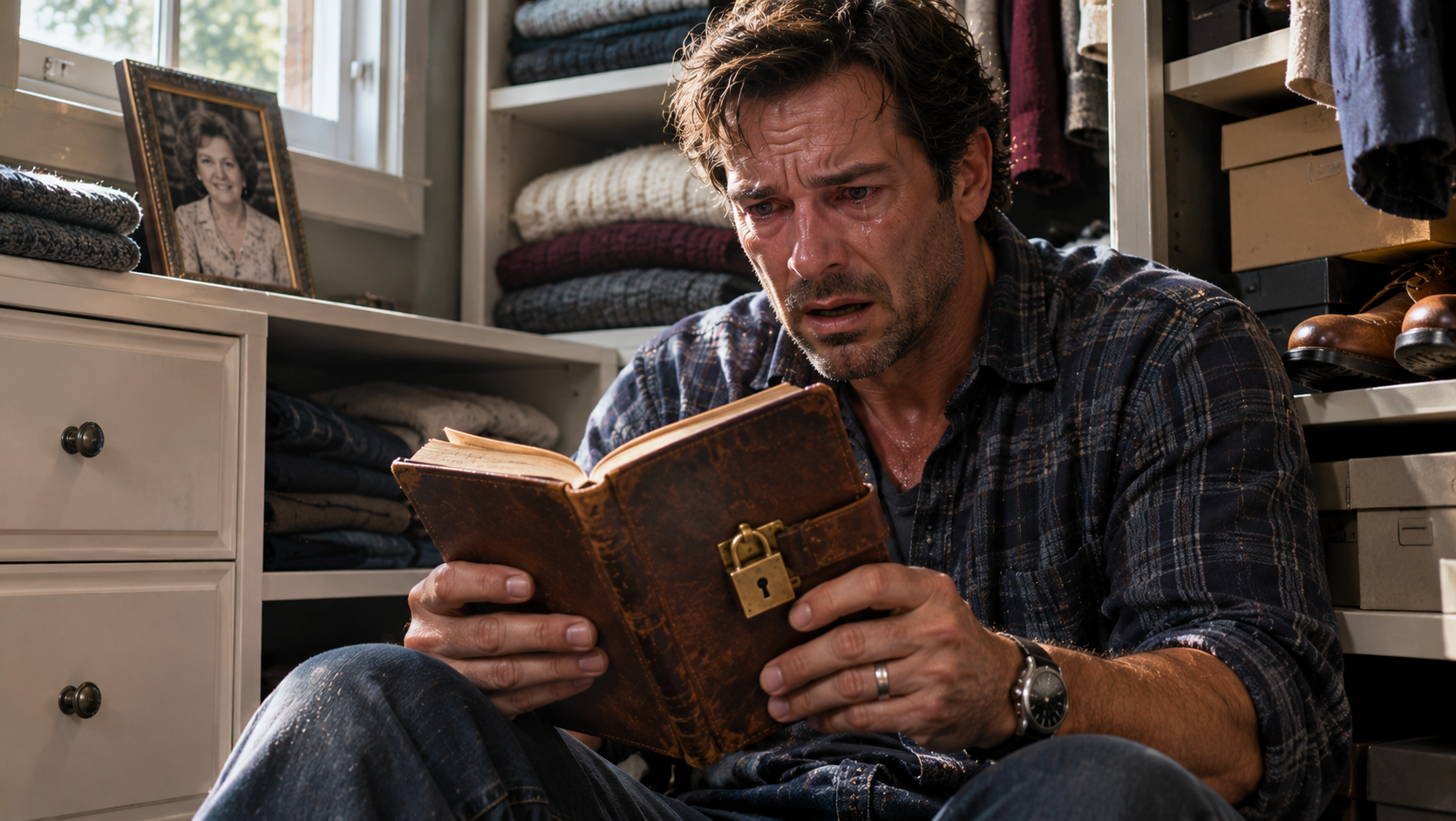
I read the entire diary in one sitting, my back against the closet wall, my heart pounding. Claire wrote about how she had fallen out of love with me, how she found me “predictable” and “smothering.” She described secret lunches with Mark, stolen weekends when I was at a teachers’ conference, and a detailed plan to file for divorce after the holidays. She had even circled a date in red ink: January 15th. The diary ended abruptly on December 28th—the day she died.
The Best Friend Who Was Always There
Mark had been my best friend since college. He was the best man at our wedding. After Claire’s accident, he was the one who brought me casseroles, who sat with me in silence, who handled the funeral arrangements when I couldn’t. I had leaned on him completely. Now, every memory of his kindness felt like a knife twisting in my gut. Had he been comforting me while hiding his betrayal? Had he been at the funeral, knowing he was the reason my marriage was a lie?
I didn’t confront him immediately. I was too raw, too ashamed. Instead, I started looking for evidence. I checked Claire’s phone records—Mark’s number appeared dozens of times in the weeks before her death. I found a receipt for a hotel in Cannon Beach, dated two months prior, charged to a credit card I didn’t recognize. I called the hotel, pretending to be Mark’s assistant, and confirmed a reservation for two under the name “Mr. and Mrs. Miller.”
The betrayal was real. But as I dug deeper, I noticed something odd. The diary entries grew increasingly frantic in the final weeks. Claire wrote about feeling “trapped” and “scared.” She mentioned Mark pressuring her to leave me sooner. One entry, dated December 20th, read: “M says if I don’t tell him by Christmas, he will. I can’t let that happen. I need more time.”
The Second Locked Box
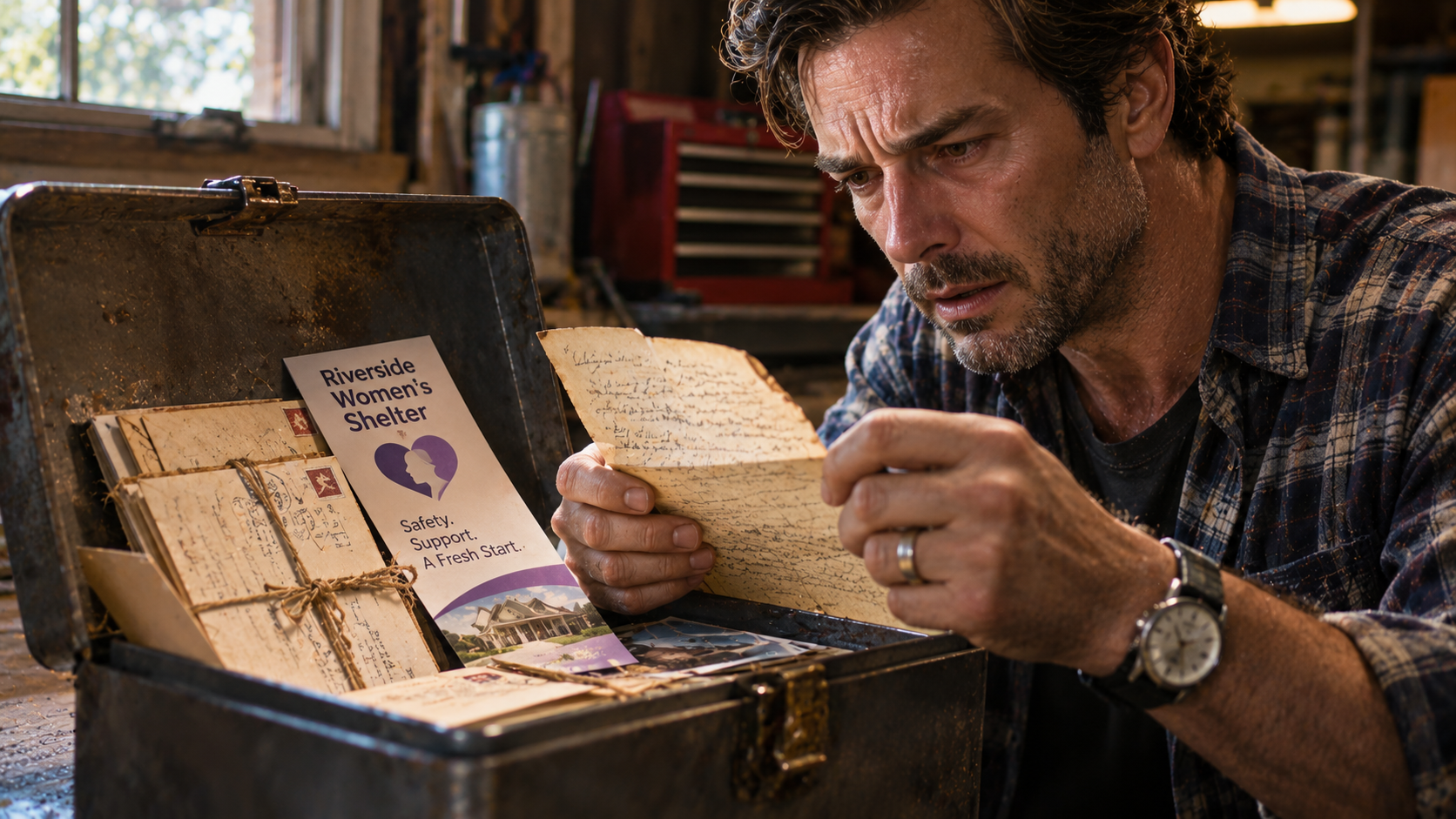
Two days later, I was clearing out the garage when I found a second lockbox—this one metal, hidden behind a stack of old paint cans. It was Claire’s, and it was filled with letters. Not love letters from Mark, but letters from a woman named Diane. The return address was a women’s shelter in Portland. The first letter was dated a year and a half ago.
I read them all. Diane was Mark’s ex-girlfriend. She wrote that Mark had been abusive—emotionally and financially—during their five-year relationship. She warned Claire to stay away from him, that he was charming on the surface but controlling and dangerous underneath. Claire had written back, terrified, saying she had tried to end things with Mark but he threatened to ruin her reputation and tell me she had been unfaithful if she left.
The truth hit me like a freight train. Claire hadn’t been planning to leave me for Mark. She had been trying to escape him. The diary was not a record of a love affair—it was a survival log. She had been documenting his manipulation, his threats, his demands. The January 15th date wasn’t a divorce deadline. It was the day she planned to go to the police.
Confronting the Man I Thought I Knew
I called Mark and asked him to come over. When he arrived, I didn’t say a word. I simply handed him the diary and the letters from Diane. His face went pale, then red. He tried to laugh it off, calling Claire “unstable” and “paranoid.” But when I mentioned the hotel receipt, the phone records, and the shelter letters, his story fell apart.
He admitted that he had pursued Claire, that he had manipulated her, that he had threatened to destroy her marriage if she didn’t comply. He claimed he “loved her” and that she “led him on.” I told him to leave and never come back. I haven’t spoken to him since.
I reported everything to the police. The investigation is ongoing, but the evidence is clear. Mark may not have been driving the other car that night, but he was the reason Claire was on that road, distracted and distraught, trying to get away from him.
What Claire Left Behind
I spent months angry—at Mark, at Claire, at myself for not seeing what was happening. But slowly, the anger faded into something else: sorrow. Claire had been trapped, and she had tried to protect me from the truth. She had loved me enough to keep her struggle hidden, even as it consumed her.
I visit her grave every Sunday now. I tell her I’m sorry I didn’t know. I tell her I understand. And I tell her that I’m finally learning to forgive—not just Mark, but myself, for being blind to the woman who was fighting a war I never saw.
The diary sits in a drawer now, locked away. I don’t need to read it anymore. I know the truth. And sometimes, the truth is the only thing that sets us free.
Recommended Stories
My Brother Stole My Identity to Buy a House—Then the Real Owner Showed Up at My Door
A stranger knocked on my door with a deed to my house—and my name on it. That's when I realized...

I Found a Locked Diary in My Late Father’s Attic—It Revealed He Had a Second Family, and They Were Coming to the Reading of the Will
A locked diary in the attic reveals my father's secret second family—and they're coming to the will reading. What happens...
I Gave My Sister My Savings for Her Cancer Treatment—She Used It to Buy a Boat, and Then Karma Hit Her in the Most Unexpected Way
I drained my savings to save my sister from cancer. She bought a boat instead. Then the Coast Guard called,...