At My Grandfather’s Will Reading, a Stranger Claimed to Be His Daughter—Then the DNA Test Showed She Was Actually My Half-Sister, and My Father Knew All Along
The Stranger in the Back Row
My grandfather, Harold Vance, was a man of routine. Every Sunday at 7 a.m., he’d walk to Miller’s Diner in our small town of Cedar Falls, Iowa, order two eggs over easy, and sit in the same booth by the window. He was a retired high school shop teacher who’d lived in the same brick house on Elm Street for fifty years. So when he died at eighty-two, we expected a quiet funeral, a modest estate, and a family that would finally exhale after months of watching him fade.
What we got was a woman named Danielle.
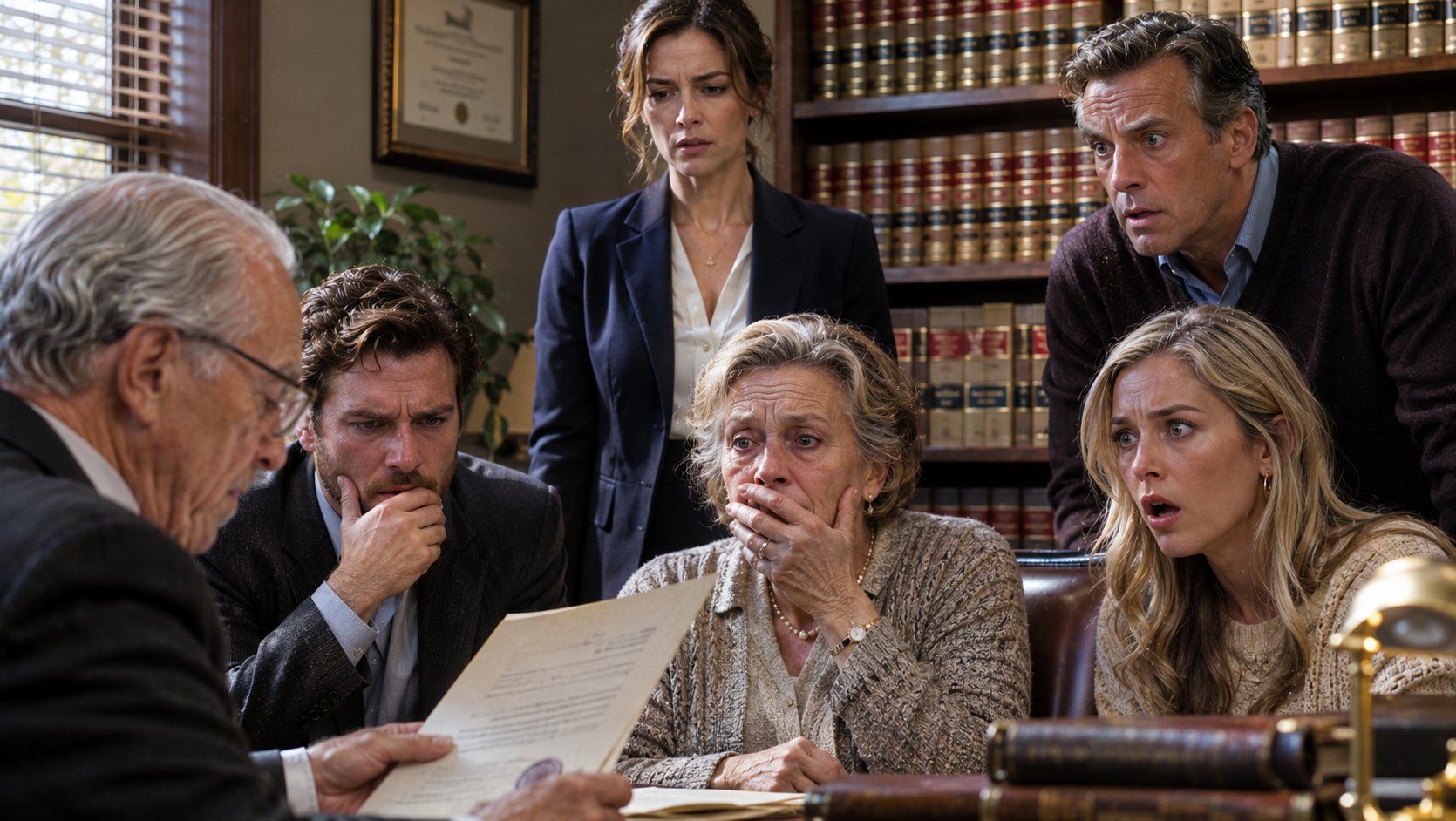
She appeared at the will reading in our family attorney’s office—a cramped room above the bank on Main Street—wearing a navy blazer and clutching a leather-bound notebook. I noticed her first because she didn’t belong. My father, Richard, sat stiffly beside me, his jaw tight. My mother, Ellen, kept folding and unfolding a tissue. My younger brother, Mark, was already checking his phone. But Danielle sat in the back row, and when Attorney Griggs cleared his throat to begin, she stood up.
“Before you read the will,” she said, her voice steady but soft, “I need to state that I am Harold Vance’s daughter. And I believe I’m entitled to a portion of this estate.”
The room went silent. My mother’s tissue stopped moving. My father didn’t look surprised—he looked like a man who’d been expecting a punch and finally felt it land.
The DNA Test That Changed Everything
Danielle claimed she was the product of a brief relationship between my grandfather and a woman named Carol, who’d worked at the diner in the late seventies. She had a birth certificate with no father listed, a handful of old photos, and a letter she said Harold had written to her mother. My father immediately dismissed her. “This is a shakedown,” he said, his voice cold. “My father would never have kept a secret like that.”
But Danielle didn’t want money up front. She wanted a DNA test. She said she’d been diagnosed with a hereditary kidney condition and needed to know her medical history. My father refused at first, but the lawyer advised that a simple cheek swab would settle the matter. Reluctantly, my father agreed—and so did my brother and I, for the sake of medical clarity.
The results came back three weeks later. Danielle was not my grandfather’s daughter. She was my father’s.
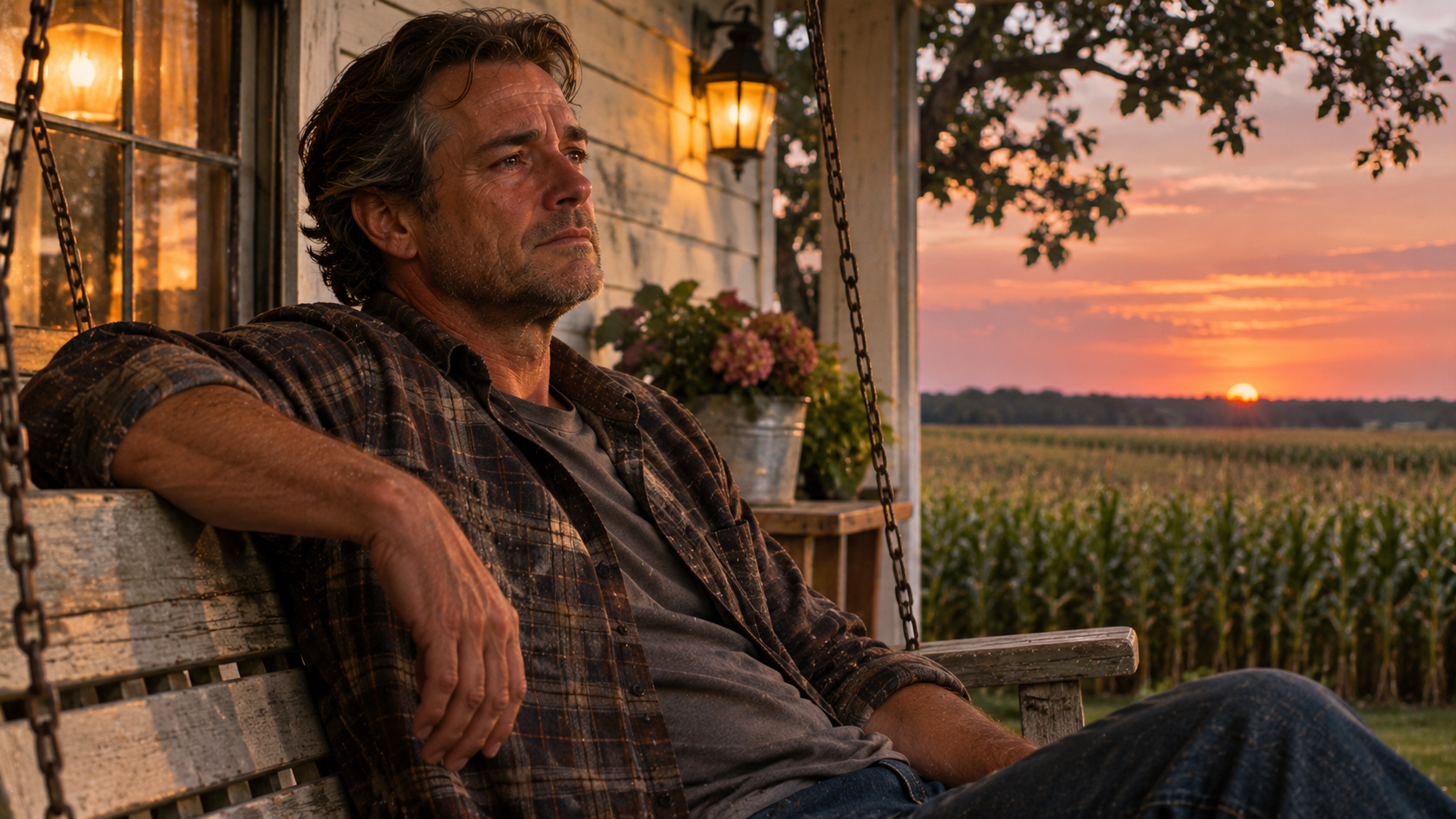
I was sitting at my kitchen table when I opened the email from the lab. The numbers didn’t lie: Danielle shared 50% of her DNA with Richard Vance. She was my half-sister. And when I confronted my father, he didn’t deny it. He just sat down on his porch swing, looked at the cornfield across the road, and said, “I was going to tell you. I just didn’t know how.”
Danielle wasn’t a stranger at all. She was the daughter of an affair my father had in 1985, two years before he married my mother. He’d been twenty-three, working at a hardware store, and Carol was a waitress at Miller’s. When she got pregnant, she told him she wanted nothing from him—no money, no involvement. She moved to Des Moines and raised Danielle alone. My father sent money anonymously for years, but he never met his daughter. He never told anyone.
The Inheritance Battle Begins
My mother was devastated. Not because of the affair—that was ancient history—but because my father had kept this secret for thirty-eight years. “You let me believe we had no secrets,” she said, her voice breaking. “You let me look at that woman in the lawyer’s office and wonder if she was a con artist, when all along you knew.”
My father moved into the guest room that night. The family split into factions. My brother, Mark, sided with our mother, calling Danielle a “gold digger” and threatening to contest the will if she got a dime. I, on the other hand, felt a strange pull toward Danielle. She wasn’t asking for much—just a small share of the estate to help with her medical bills and her daughter’s college fund. She’d never asked my father for anything. She’d built a life as a dental hygienist in Des Moines, raised a daughter alone after her husband left, and only came forward because her kidney disease had worsened.
The will reading itself had been a mess. My grandfather’s estate was worth about $400,000—the house, some savings, and a small investment portfolio. He’d left everything to my father, with a clause that if my father predeceased him, it would go to “my grandchildren.” Danielle, as my father’s biological child, had a legal claim as a grandchild. My father, now exposed, had to decide whether to acknowledge her or fight her in court.
The Letter in the Safe
While the family argued, I started digging. My grandfather had been a meticulous record-keeper—every receipt, every tax return, every letter. In his basement, I found a fireproof safe behind a stack of old shop manuals. Inside was a manila envelope labeled “Richard—Personal.” I opened it and found a letter from my grandfather, written in 1986, addressed to my father.
“Richard,” it read, “I know about the girl. Carol told me. She came to me because she didn’t know who else to turn to. I’m not going to judge you, but I am going to tell you this: that child is a Vance, whether you claim her or not. You can run from it, but you can’t hide from it. One day, she’s going to come looking. And when she does, you’d better be man enough to face her.”
The letter also revealed that my grandfather had secretly set aside $20,000 in a trust for Danielle, to be given to her when she turned thirty. She was now forty-two. She’d never received it. My father had been the trustee—and he’d never told her.
When I showed the letter to my father, he broke down. “I was ashamed,” he said. “I was young and stupid, and then I was scared. I didn’t want to lose your mother. I didn’t want to lose you kids. So I buried it. And then Grandpa died, and I thought maybe I could keep it buried forever.”
The Decision That Changed Our Family
The legal battle could have dragged on for years. But I made a decision: I would give Danielle my share of the inheritance—about $80,000—to cover her medical expenses and her daughter’s tuition. My brother called me a traitor. My mother didn’t speak to me for a month. But I didn’t care. Danielle was my sister. She hadn’t asked for any of this. She’d just wanted to know where she came from.
My father eventually did the right thing. He acknowledged Danielle legally, released the $20,000 trust with interest (it had grown to nearly $35,000), and helped her find a kidney specialist in Iowa City. He and my mother went to counseling. They’re still together, but the trust is fragile. My brother and I barely speak. But Danielle and I talk every week. She sent me a photo of her daughter, Maya, holding her college acceptance letter. “Thank you for being my brother,” she wrote. “I’ve waited my whole life for a family.”
I don’t know if my father will ever fully earn back my trust. But I do know that secrets have a way of surfacing, and when they do, you have a choice: you can bury them deeper, or you can let the truth rebuild something new. I chose the truth. And for the first time in years, I feel like I actually know my family—all of it.
Recommended Stories
My Brother Stole My Identity to Buy a House—Then the Real Owner Showed Up at My Door
A stranger knocked on my door with a deed to my house—and my name on it. That's when I realized...
I Paid for My Parents’ Retirement Home—Then They Left It to My Brother in Their Will, Saying I ‘Owed’ Them. When I Found Their Bank Statements, I Realized They’d Been Hiding a Fortune
I paid $4,200 a month for my parents' retirement home for eight years. Then they left their house to my...
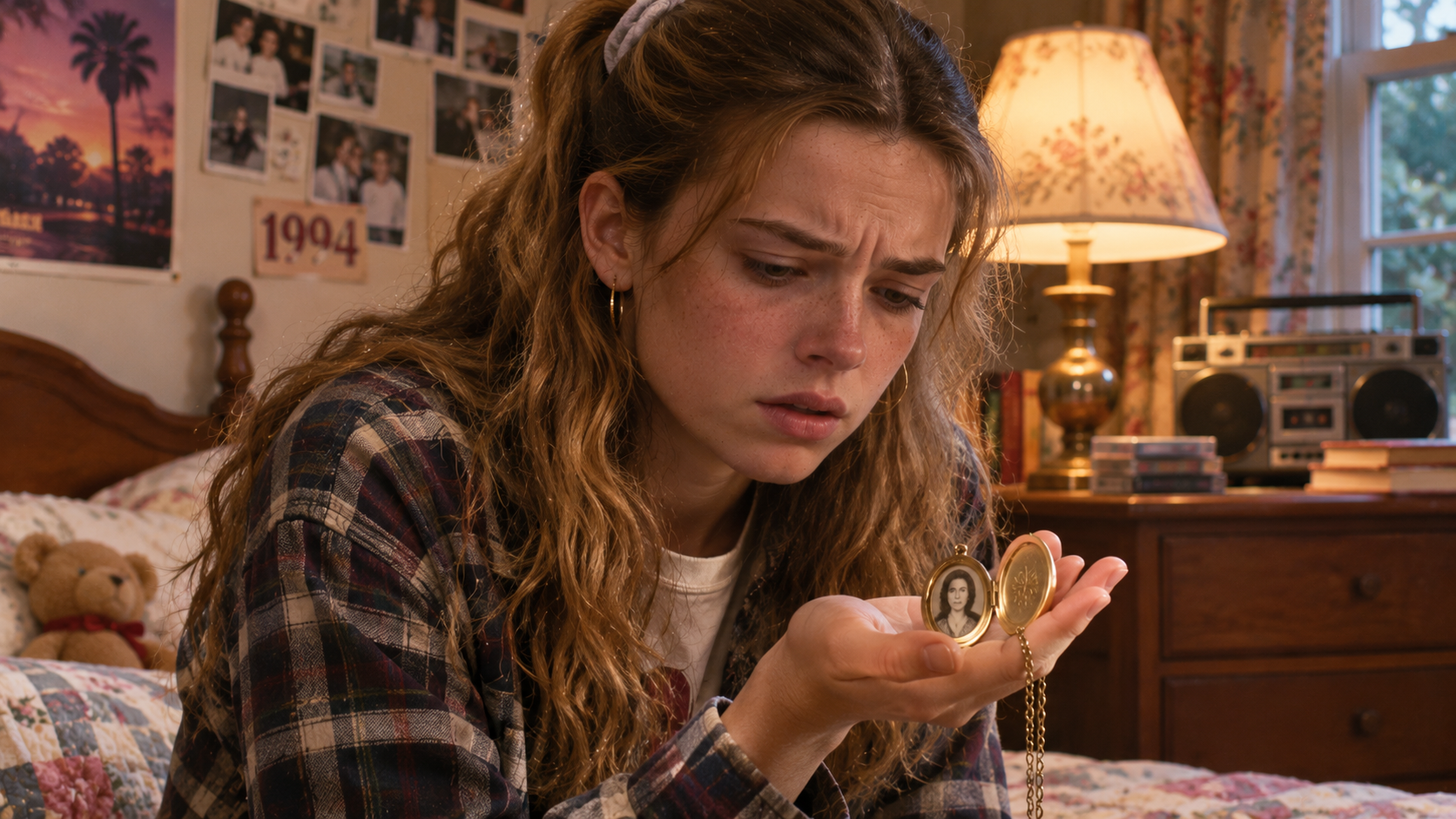
My Stepmother Gave Me a Cheap Locket for My Birthday—Years Later, a Jeweler Told Me What Was Inside
A stepmother's 'cheap' birthday gift hid a secret that took 20 years to unfold—and a jeweler's revelation changed everything.